


'There are schools that are now charging more than R400 000 per learner'
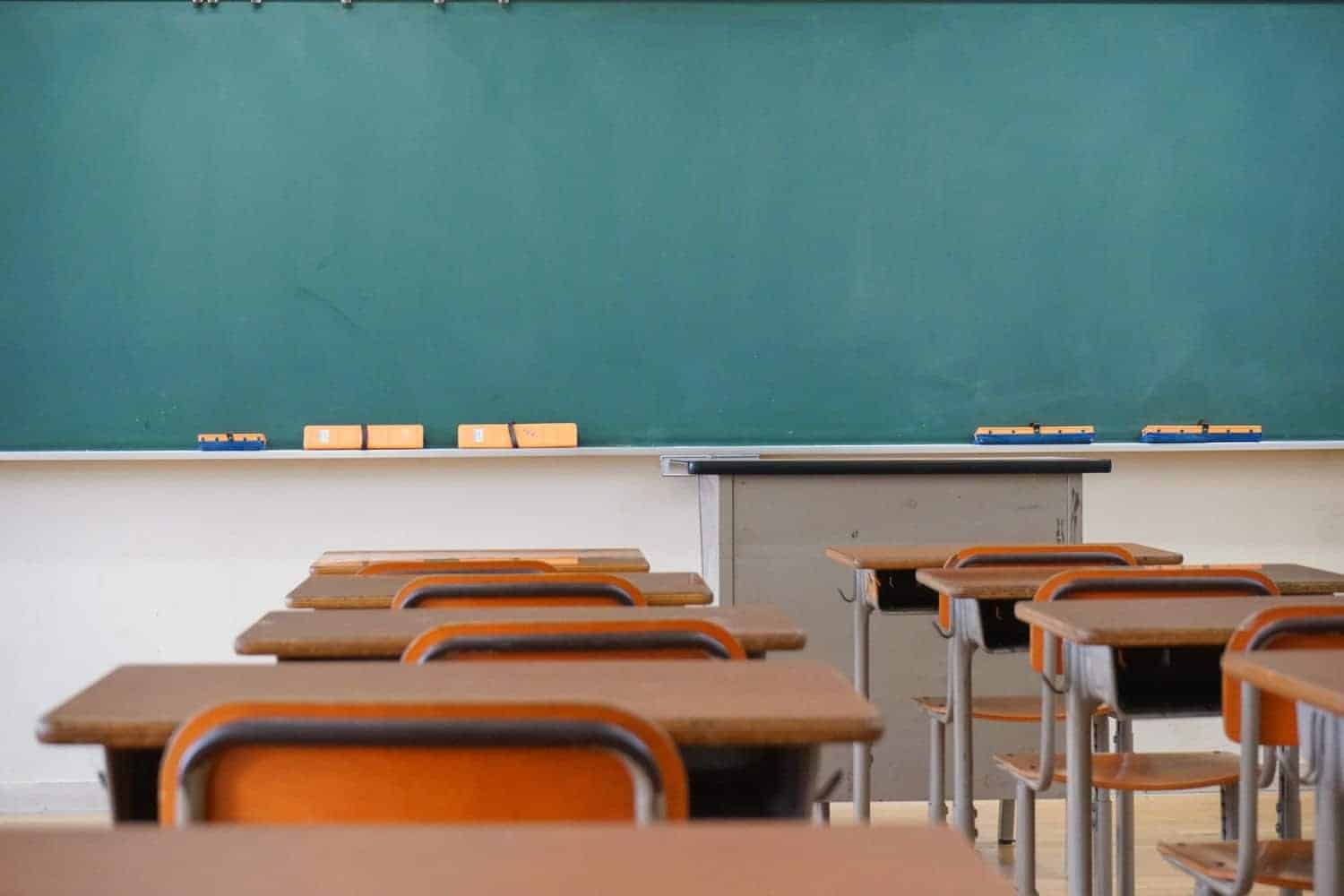
An education activist has expressed concern over the escalation of fees charged by some private schools. Picture: iStock


As the clock counts down to the end of the school holiday and the start of the 2026 academic year, an education activist has expressed concern about the escalation of fees charged by some private schools across the country.
Pressure
The Department of Basic Education (DBE) confirmed that public schools will reopen on 14 January 2026, while most private schools are also scheduled to open for the first term on the same date.
This will put pressure on parents who splurged cash during the festive season and will now have to dig deep in their pockets for uniforms, school fees, and stationery.
ALSO READ: Matric Results: Regulator heads to Supreme Court on publication in newspapers
Public vs Private
In August 2025, The Citizen reported that the disparity in resources between government schools and private for-profit education businesses was creating a gulf in opportunities.
“Two private education giants at the time reported a combined R1.3 billion in operating profit, while the DBE struggled to make its R35 billion budget count.
Experts warned that, while the perceived differences in outcomes between private and public education are not guaranteed, a large portion of South Africa’s children are being left behind.
Concerns
Education activist Hendrick Makaneta said private school fees are concerning.
“There are schools that are now charging more than R400 000 per learner. These levels of increase raise serious questions about affordability and access to quality education.
“While private schools are entitled to set their own fee structures, recent increases have significantly outpaced inflation and wage growth. As a result, many families are being placed under severe financial strain, and many parents will be excluded from schools they were previously able to afford,” Makaneta said.
NOW READ: Money is there but ‘political will is lacking’: Not enough schools being built in South Africa
Excessive fees
Makaneta said education is a “public good and a cornerstone of social and economic development.”
“Excessive fees risk deepening inequality by entrenching a system in which high-quality education becomes accessible only to a small and wealthy segment of society. This undermines the objectives of inclusion and equal opportunity.
“There is an urgent need for greater transparency regarding how school fees are determined, particularly where increases substantially exceed inflation. Meaningful engagement with parents and stakeholders is necessary,” Makaneta said.
Makaneta added that South Africa’s future depends on an accessible education system.
“Escalating private school fees threaten to widen the gap between the rich and the poor.”
Financial resources
Institute of Race Relations (IRR) Strategic Engagements Manager Makone Maja said comparing the financial resources of the public and private sectors was difficult because of the number of children enrolled in no-fee schools.
Maja said that as of 2022, 73% of school-going children attended no-fee schools and a further 14% paid R1 000 or less per year.
Maja said that the no-fee structure was created to mend the equality gap but had inadvertently backfired.
Education budget
South Africa’s education budget represents 19.6% of national expenditure, but has been at its lowest level in the last three years.
In July 2025, during her budget speech, Basic Education Minister Siviwe Gwarube confirmed more than R35 billion would be allocated to the department for the 2025/26 financial year.
However, the basic education budget excluded employee remuneration for the sector, which received a proposed expenditure of R263.4 billion in the May iteration of the national treasury’s budget.
Additional reporting by Jarryd Westerdale
ALSO READ: ‘Fanciful’ bid to block publication of 2025 matric results dismissed
Support Local Journalism
Add The Citizen as a Preferred Source on Google and follow us on Google News to see more of our trusted reporting in Google News and Top Stories.

