


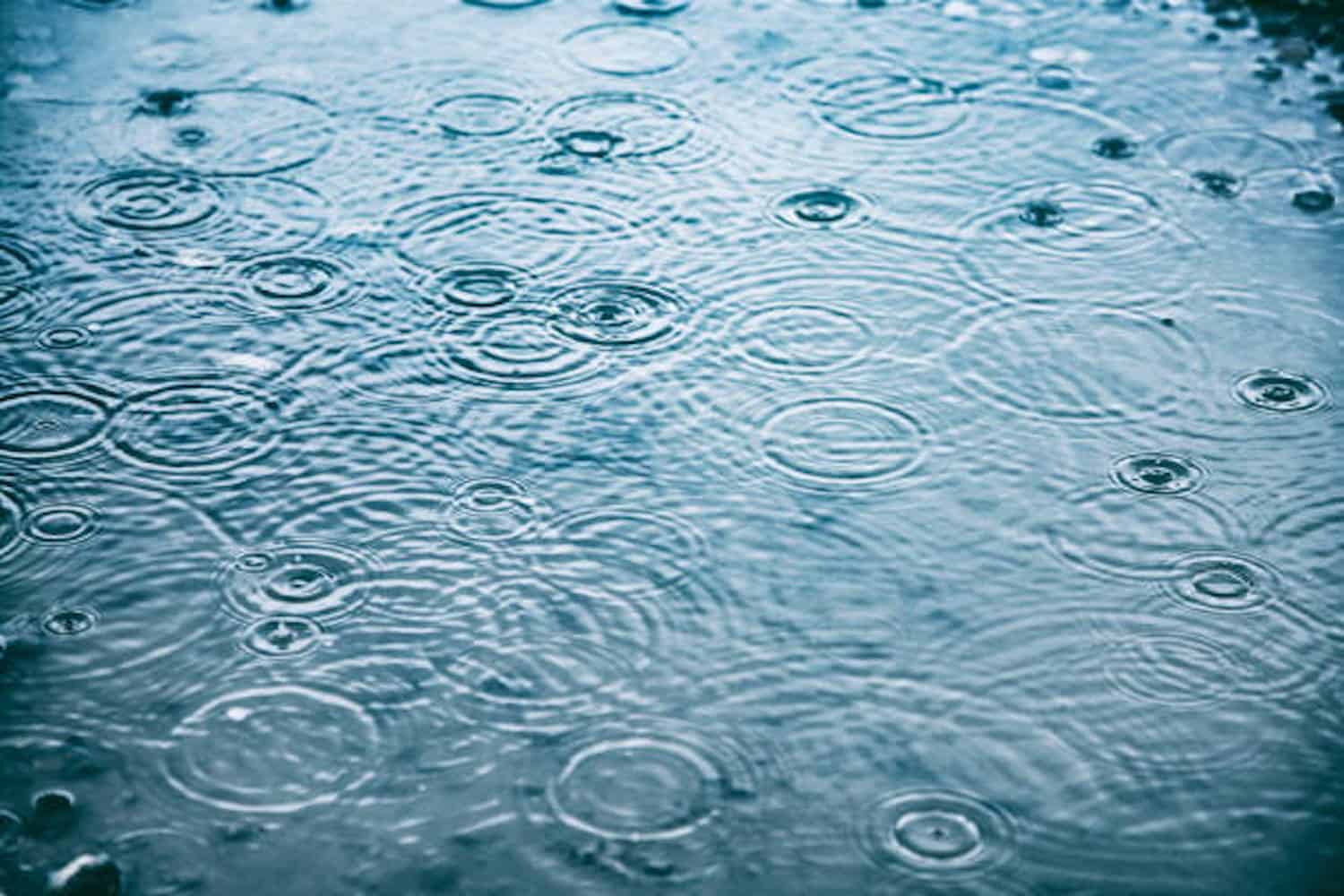
Government has been urged to take advantage of heavy rainfall in South Africa.
Picture: iStock


As rainfall continues across South Africa, the government has been advised to adopt rainwater-harvesting strategies to ease pressure on the municipal water supply system.
Rainwater harvesting
Rainwater harvesting is the practice of conserving rainwater and using it during the dry season or when needed.
Currently, the government is struggling to consistently provide clean water to people across the country.
In recent months, residents of Gauteng have spent weeks without water, forcing them to buy it from local vendors, while some desperate people have relied on unhealthy water sources.
ALSO READ: Gauteng residents warned as municipalities exceed water usage
In an interview with The Citizen, Dr Wilma van Staden, an agri-ecologist specialist and member of the Amanzi for Food programme, urged the government to take advantage of the continuous rain that has fallen for months in South Africa.
“Rainwater harvesting should be treated as part of South Africa’s water infrastructure, not an emergency backup. Government can integrate rainwater harvesting into public buildings, housing developments and stormwater systems, using local storage to capture rainfall when it falls. This reduces pressure on municipal systems, limits flooding and improves water security during both wet and dry periods.
“I think the main issue going forward is how South Africa adapts to increasingly heavy rainfall, not only at a household level, but also at municipal and national government levels. This requires a stronger focus on maintenance, infrastructure adaptation and integrating rainwater harvesting into our broader water management systems.”
How households can get involved
Van Staden also urged communities to consider rainwater harvesting.
“During short periods of heavy rainfall, households should focus on capturing water quickly and safely. Roof runoff is one of the cleanest sources of rainwater, and even simple systems such as tanks, drums or covered bins placed under downpipes can make a real difference. Rainwater can immediately be used for toilets, cleaning and gardens, reducing demand on municipal supply.”
She advised the public to prepare their home for heavy rainfall by making sure gutters and downpipes are clear so water flows freely.
“Guide roof runoff into tanks, drums or large containers, and ensure excess water is diverted away from walls and foundations. Where rain falls intensely over short periods, households should focus on slowing down runoff, spreading it across the yard, and avoiding erosion or water buildup.”
ALSO READ: National water tests show South African rivers are ‘open sewers’
According to Van Staden, rainwater harvesting is becoming increasingly critical due to the growing challenges of water scarcity, climate change and erratic weather patterns.
She added that harvesting rainwater can help farmers secure enough water for irrigation, home use and other household chores.
“It improves water availability for crops, which ensures food security. We are not only looking at water harvesting but also water holding and storing for specific crops.”
Support Local Journalism
Add The Citizen as a Preferred Source on Google and follow us on Google News to see more of our trusted reporting in Google News and Top Stories.

