


Provincial government says recovery could cost close to R10 billion, with 27 lives lost and more than 3 000 houses affected.
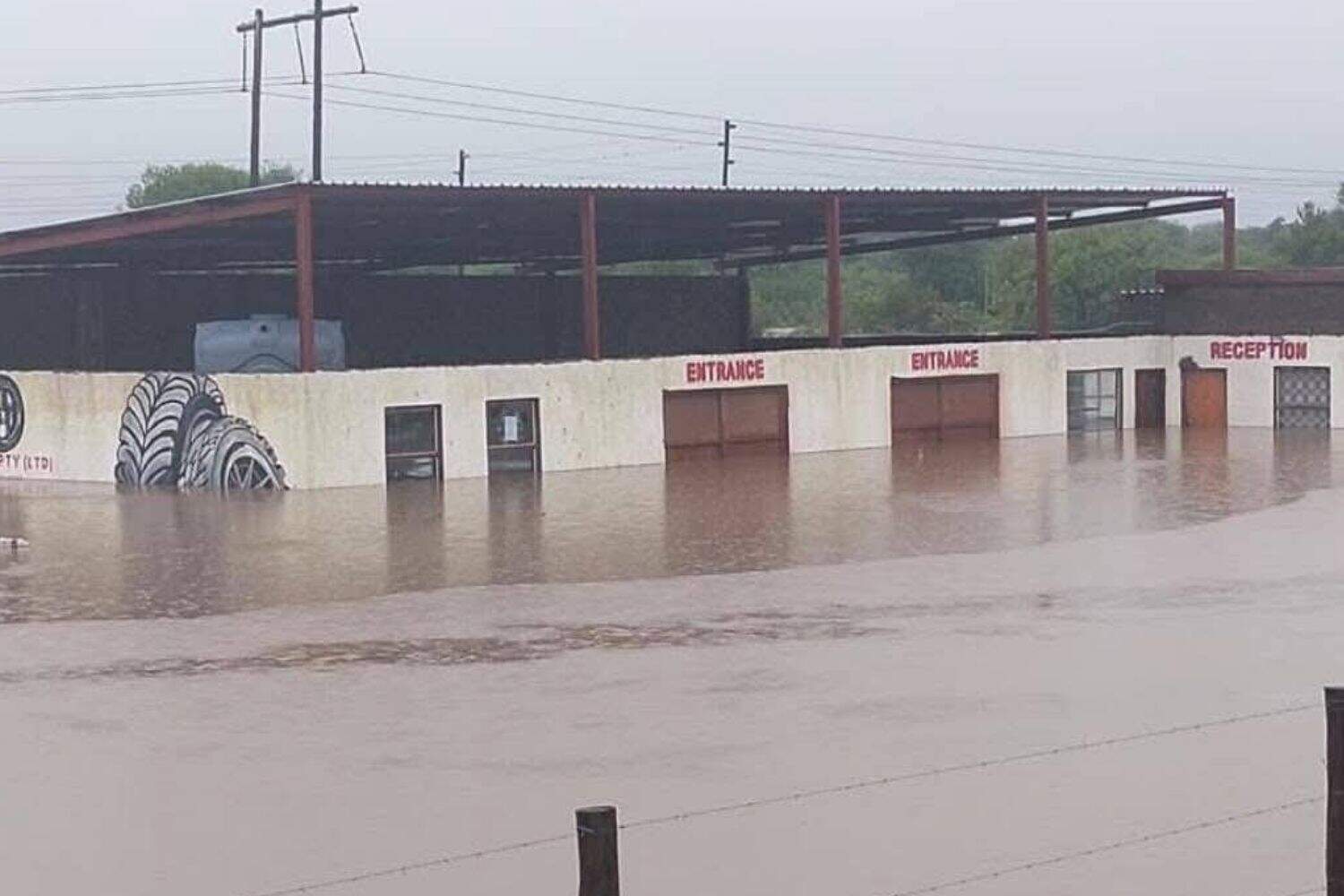
Picture: Gift of the Givers.


Limpopo Premier Dr Phophi Ramathuba has revealed that the province may require close to R10 billion for comprehensive recovery following devastating floods that have left 439 roads unusable and claimed 27 lives since December 2025.
The floods in the province rendered approximately 600 kilometres of roads unusable and affected around 3 194 houses.
Providing an update on Thursday, Ramathuba detailed the extensive damage caused by recent adverse weather.
“Our preliminary assessment indicated that we may require close to R10 billion for comprehensive recovery initiatives,” Ramathuba said. “We remain hopeful that we will successfully rebuild Limpopo from this disaster with the resources we are beginning to mobilise while we await further intervention from the National Disaster Management Centre.”
The figure represents a significant increase from earlier estimates. In late January, the Limpopo department of public works, roads and infrastructure said it needed R1.7 billion to address the aftermath of the floods.
Public works, roads and infrastructure, MEC Ernest Rachoene said at the time, that the department does not have enough money to rebuild the infrastructure after the floods.
That figure, he said, remained an estimate as comprehensive assessments could not be completed due to continued heavy rainfall across the province.
The figure rose again when the Limpopo provincial government said it would need R4 billion to restore communities ravaged by the violent storms.
ALSO READ: Limpopo needs R1.7 billion to rebuild flood damaged roads
Limpopo’s critical infrastructure severely compromised
The premier highlighted the R151 highway from Polokwane to Dendron as one of the most severely affected routes.
She added that the provincial government is actively engaging with the South African National Road Agency Limited (Sanral) to expedite repairs.
Key transport routes in the Palabora region have been particularly hard hit. These include the:
- R40 near Maseke game reserve,
- R71 between Gravelotte and Phalaborwa,
- R36 between Ofcolaco and the Oaks, and
- the R527 in Hoedspruit
All the aforementioned roads have incurred extensive damage, severely limiting access to essential services and disrupting local residents’ lives.
Emergency funding activated
In response to the crisis, the provincial government has allocated R800 million from its budget to recovery efforts, pending additional support from the National Disaster Management Centre.
Ramathuba explained that this activation follows the national classification of the floods as a disaster.
“We’ve done what needed to be done, and the classification has been pronounced. We are now in the disaster phase,” the she said.
The premier acknowledged that the province might not receive the full R10 billion requested.
“We are alive to the reality that we might not get the full R10 billion, but we are not going to stop to push for us to get as much as possible directed strictly towards restoring the life and the livelihoods of our people,” she said.
Meanwhile, concerns have emerged about potential corruption and theft of relief funds.
Although political parties have welcomed the decision to declare the floods in Limpopo a national disaster, they have warned about possible corruption and looting of relief funds.
ALSO READ: No tenders for pals in the aftermath of floods, warn political parties
Water supply and contamination concerns addressed
Mopani District Municipality Executive Mayor Pule Shayi addressed concerns about water contamination following the floods.
He revealed that 14 water treatment plants and one wastewater treatment plant were affected by the disaster, with turbidity reaching dangerously high levels in the early stages.
“Yesterday, we received the formal report that we do not have waterborne diseases at the level of the assessment. Therefore, our water, as we continue to purify, becomes very safe to drink as we speak,” Shayi said.
However, he acknowledged ongoing challenges in Phalaborwa, where the water supply remains problematic.
“The town and the schools are struggling with the provision of water, which is linked to the electricity. We are bringing short-term intervention measures,” he said.
Furthermore, Shayi noted that water tankers and bottled water donations are being used to support affected schools and communities.
Tourism industry severely impacted
The floods have had a devastating impact on Limpopo’s tourism sector, which the premier described as the province’s “backbone towards economic growth.”
Access issues between Phalaborwa, Hoedspruit, and the Phalaborwa Gate of Kruger National Park, as well as the Blyde River Canyon Corridor, have led to numerous cancellations and reduced visitor activity.
MEC for Limpopo Economic Development, Environment and Tourism, Tshitereke Baldwin Matibe, outlined plans to support affected tourism businesses.
Electricity restored, fuel delivery challenges resolved
The Mayor of Ba-Phalaborwa Municipality, Merriam Malatji, provided an update on infrastructure restoration efforts.
She confirmed that fuel delivery, severely disrupted during the height of the floods, has resumed following the rebuilding of a critical bridge.
However, the premier emphasised that some Phalaborwa residents have been without electricity and water for weeks.
She highlighted the recent tragedy of two young lives lost to the floods, a 15-year-old and a 17-year-old, who joined four or five others who have perished in the area.
“Phalaborwa, to us as a provincial government, is still a place of pain,” she said.
Ongoing assessments and recovery timeline uncertain
The provincial government continues to conduct comprehensive damage assessments across affected areas, with various national ministers and deputy ministers visiting to provide support.
Ramathuba urged residents to remain vigilant and cooperative with disaster management teams, noting that the South African Weather Services (Saws) has warned that the crisis may not yet be over.
“They can’t guarantee us what can happen. It’s not yet over. Therefore, the cooperation with the disaster management teams is the most important thing that we all need to do,” Ramathuba said.
READ NEXT: Limpopo flood death toll rises as search operations continue
Support Local Journalism
Add The Citizen as a Preferred Source on Google and follow us on Google News to see more of our trusted reporting in Google News and Top Stories.

