


The regulator stated on that installations either side of a generation threshold had to register with either Eskom, the municipality or Nersa.
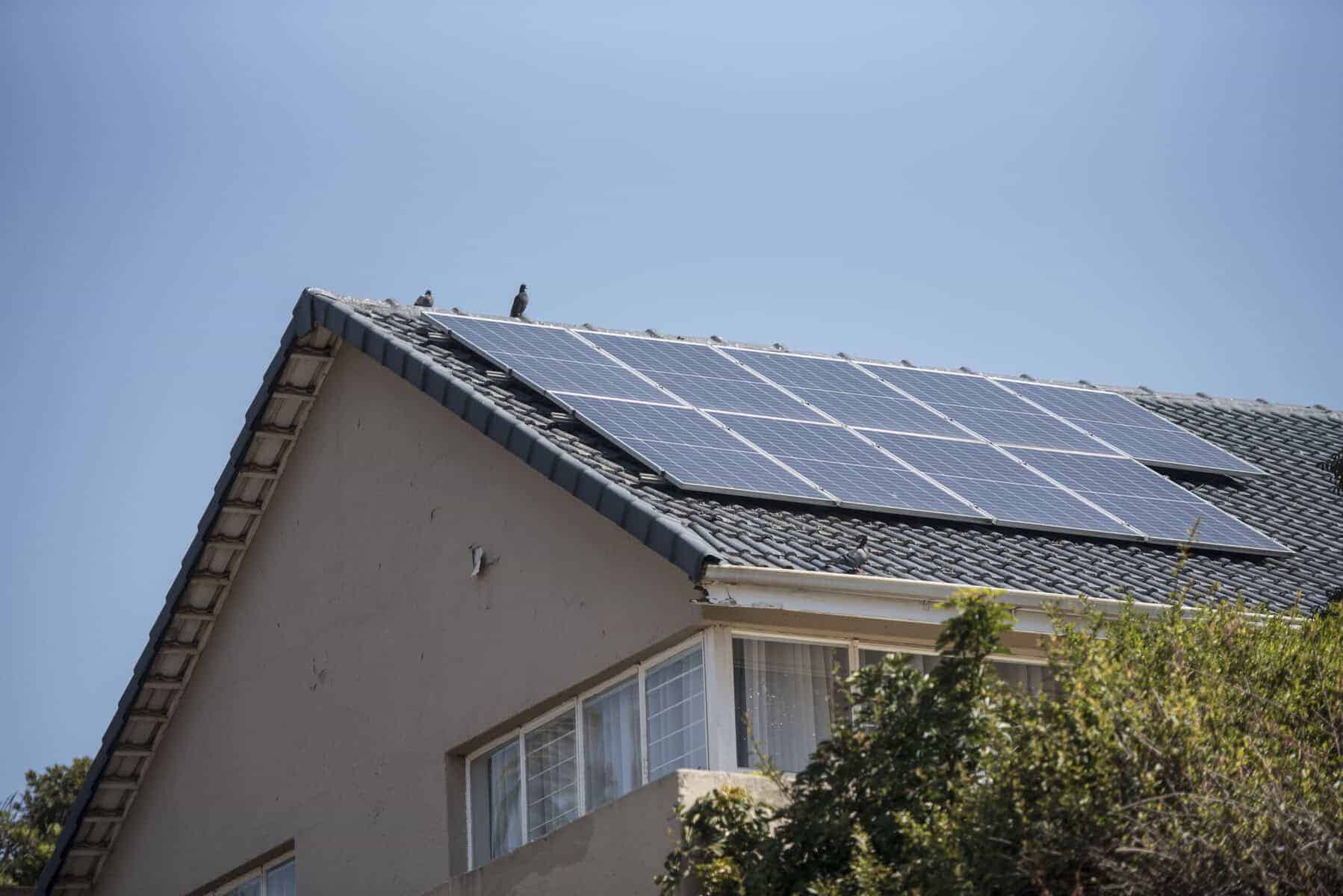
Houses with solar panels on their roofs in Johannesburg. Picture: Michel Bega / The Citizen


The National Energy Regulator of South Africa (Nersa) has reiterated the registration requirements for solar installations after a civil society group called disconnection threats “impractical, irrational, and unfair”.
Organisation Undoing Tax Abuse (Outa) is digging its heels in against government entities that wish to force homeowners to register their solar installation.
Outa stated that as long as the safety compliance issues associated with solar installations were addressed by homeowners, then registering with a government entity was unnecessary.
However, Nersa states that the purpose of the registrations was to safeguard “the integrity of the electricity network and the interests of all electricity users”.
Outa defiant
Nersa responded on Monday to a statement released by Outa last week where the civil society group argued against government interference.
The argument centres on small-scale embedded generation systems (SSEG), which are the most common solar photovoltaic (PV) installations in residential households.
Outa CEO Wayne Duvenage stated that “shifting and unclear” messaging from government entities was creating confusion for the solar industry.
He said that the situation was delaying solar installation projects and creating hesitation in the institutions assisting with finance and insurance
“What is at stake here are the rights of citizens who have gone to significant personal expense to protect themselves against years of escalating electricity prices and an unreliable power supply.
“What a homeowner does behind the meter on their own property, to reduce reliance on an unstable and expensive electricity supplier, is of no real business to the supplier,” said Duvenage.
However, he stressed that contractual agreements and electrical safety standards must be maintained, including an electrical certificate of compliance (CoC) issued by an electrician certified by the Department of Labour.
“This means that if your solar installation has a valid CoC, which addresses the safety concerns that are often cited by Eskom and municipalities, you are doing what is required of you,” said Duvenage.
Nersa solar registration regulations
Nersa said on Monday that solar PV units needed to be registered in any case where they had a point of connection to the electricity grid and met a generation threshold.
“SSEG facilities with an installed capacity of less than 100 kW and a point of connection to the electricity grid are required to register with the relevant distributor, being Eskom or the applicable licensed municipality.
“Embedded generation facilities with an installed capacity of 100 kW or more and a point of connection to the grid are required to register directly with Nersa,” the regulator stated.
“Embedded generation facilities without a point of connection to the electricity grid are exempt from registration requirements,” Nersa clarified.
Whether the solar unit returned electricity to the grid is not a consideration for the requirement to register.
Nersa stated that registration enabled standardisation and efficiency in a way a CoC could not.
“While a CoC confirms that an installation meets electrical safety requirements, registration serves a distinct regulatory purpose and does not duplicate safety certification processes,” stated Nersa.
The Outa CEO said that the acceptance of new regulations could not be mandated by threats, suggesting there would be further twists down the road.
“Aside from clear indications that Eskom and several municipalities’ plans in this regard are lacking in public acceptance and feasible application thereof, it appears there may also be significant legal stumbling blocks which Outa’s team is finalising with its legal counsel,” Duvenage concluded.
NOW READ: Homeowners caught in solar registration grey zone
Support Local Journalism
Add The Citizen as a Preferred Source on Google and follow us on Google News to see more of our trusted reporting in Google News and Top Stories.

