


From Babita Deokaran to Mkhwanazi, whistle-blowers exposed corruption, risked everything, and reshaped South Africa’s fight for accountability in 2025.
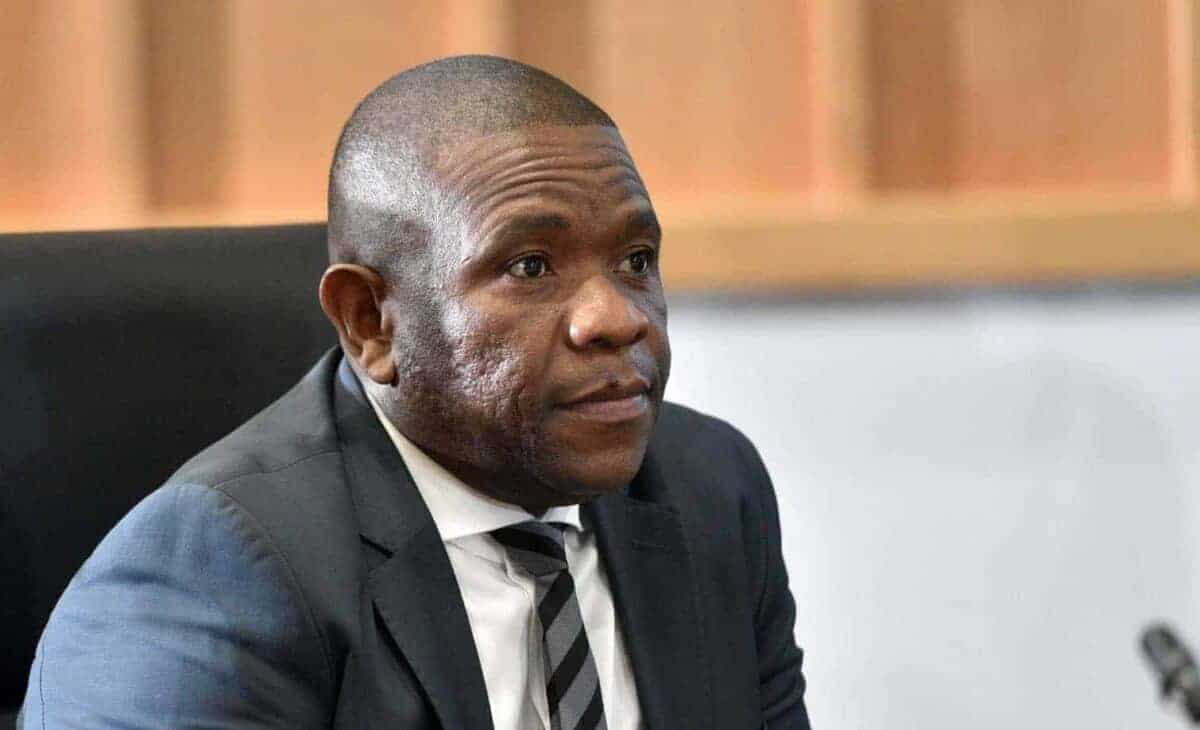
KwaZulu-Natal police commissioner Lieutenant-General Nhlanhla Mkhwanazi. Picture: Nigel Sibanda


This year is clearly the year of the whistle-blower. There are years when choosing a Newsmaker of the Year is the easiest thing to do – and 2025 is one of those years.
No-one can argue against the fact that locally, KwaZulu-Natal police commissioner General Nhlanhla Mkhwanazi is the SA Newsmaker of the Year, and internationally it must be US president Donald Trump.
And for totally different reasons: Mkhwanazi for attempting to fix SA while Trump made news for throwing the whole globe into a tailspin.
A closer look into how Mkhwanazi set the local news cycle ablaze might reveal another person who should easily join him in being SA’s 2025 Newsmaker of the Year: Babita Deokaran.
When she was killed on 23 August in 2021, little did she or the country know she would posthumously prove be the central figure in a narrative that has proven to be what might destroy or define the future of this country.
In his book, The Shadow State: Why Babita Deokaran Had To Die, Jeff Wicks goes into some detail about how Deokaran’s brother did everything to ensure her soul is well-catered for following her death as per the requirements of their Hindu religion.
ALSO READ: No special legislation to protect whistleblowers in the pipeline, states police ministry
His actions were done to ensure that her spirit transitions from this world into the next peacefully.
As with most religions, Hinduism dictates that a person’s soul or spirit lives on beyond their death.
When a person who has died in a violent manner like Deokaran, Karmic justice is believed to come into play, ensuring that her killers do not find peace.
When Mkhwanazi stood before the nation on 6 July, to reveal there are cartels that have infiltrated the police and judiciary and are in cahoots with powerful politicians to ensure that they never face justice and their activities go on unhindered, most of the country did not realise it was in the pursuit of, among others, the killers of Deokaran and that the police found links between criminal syndicates and corrupt Saps officials.
The Madlanga Commission of Inquiry and the parliamentary ad hoc committee, both of which were set up following Mkhwanazi’s revelations, have heard how top cops have hindered the work of police working on arresting syndicate leaders.
Wicks also detailed how the very first suspects in the murder of Deokaran were let free after the intervention of high-ranking Hawks officials.
ALSO READ: A VIEW OF THE WEEK: Delusional ministers and flashy leaders gaslight as toddler burns
The hitmen were indeed arrested later but by then the trail to the masterminds who ordered the hit had grown cold (or had been covered up, because some people linked to them had died).
Some might argue that Babita Deokaran is not the only whistle-blower to have been murdered for revealing the shenanigans of tenderpreneurs or criminal syndicates – and they would be right.
Ekurhuleni senior auditor Mpho Mafole, Mbombela speaker Jimmy Mohlala and Free State health official Sam Mohlomi are among those cited by the SA Federation of Trade Unions as whistle-blowers who, like Deokaran, paid the ultimate price for exposing corruption.
Mkhwanazi himself can also be classified as a whistle-blower because he chose to expose fellow corrupt cops.
The Madlanga inquiry and the ad hoc committee have seen whistle-blower after whistle-blower exposing wrongdoings in the highest echelons of power in South Africa.
Corruption in the Ekurhuleni municipality, corruption in the police department and possible corruption in the judiciary are still in the spotlight and will continue to be in the new year – proving that 2025 was indeed the year of the whistle-blower.
Support Local Journalism
Add The Citizen as a Preferred Source on Google and follow us on Google News to see more of our trusted reporting in Google News and Top Stories.

