Distrust could lead to death, self-harm, community decay, and further violence in an already violent society.
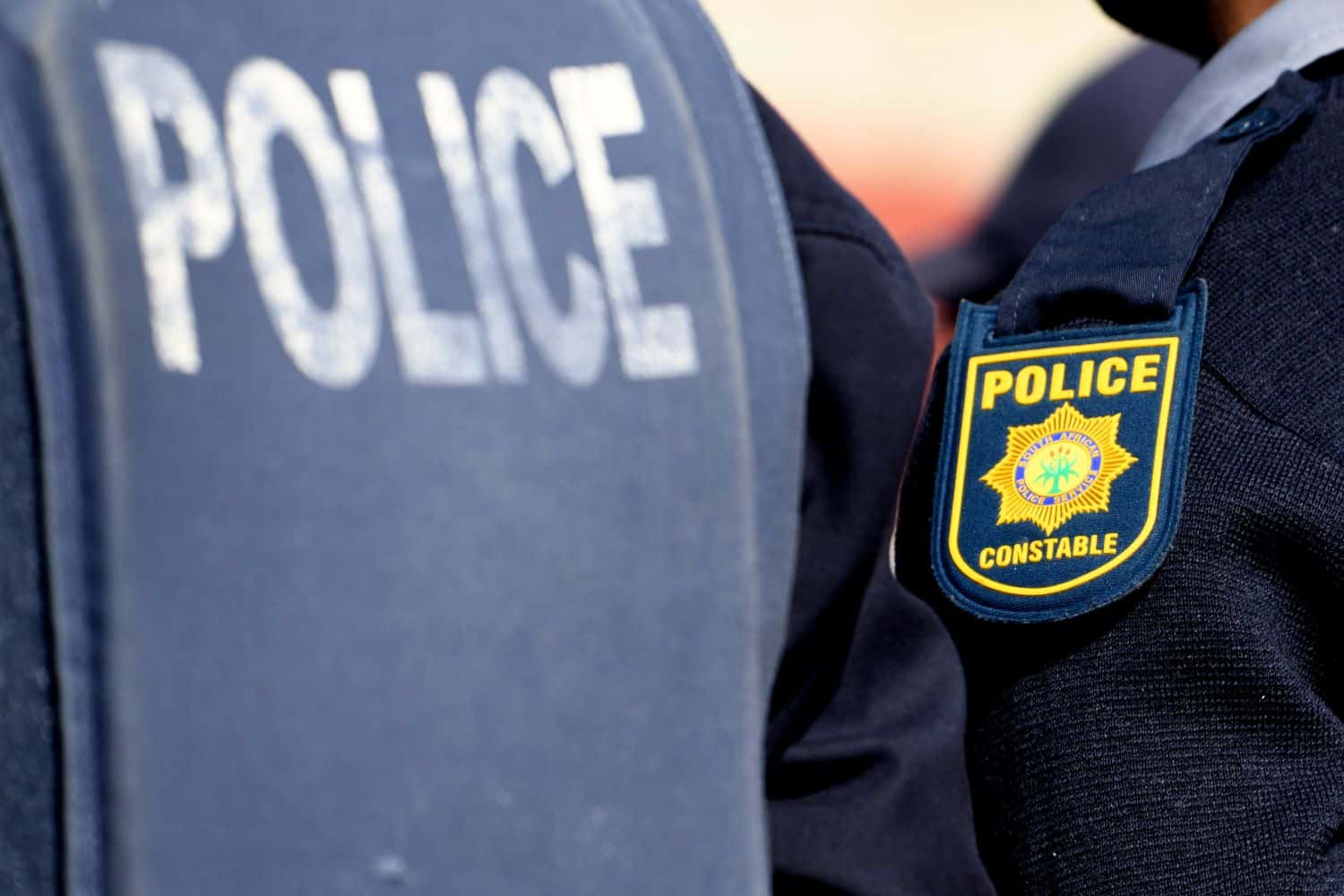
Public Order Police (POPs) members at the Tshwane Police Training Academy on 15 June 2024. Picture: Gallo Images/Frennie Shivambu


Chaos ensued at a Daveyton Mall restaurant recently when a man strolled up to his elderly mother, allegedly threatening to stab her for giving police his photo, and beat her until she was left on the floor, bloody.
Such an attack, another example of how angry and violent many South Africans are, got even more out of hand when a mob of shoppers tried to retaliate by beating him. A security guard had to intervene.
The man appeared in court this week on two counts of assault with intent to cause grievous bodily harm, but his crime highlights how citizens have resorted to “fixing” a problem that should be left to police or other authorities.
We do not know if the police were already investigating the initial assault case that led to the picture, which then led to the manic scenes, but statistics around gender based violence suggest they probably weren’t. It was only when the community got involved that the situation blew up, waking the police to the seriousness of the situation.
ALSO READ: A VIEW OF THE WEEK: Who do you call when the police don’t respond?
Where are the police?
And there lies one of the major crises within the police: a lack of action that many of us see as laziness, incompetence, or corruption.
Mob justice has become an unfortunate remedy for this, thriving in the fertile ground of police inaction and a lack of accountability. In the first quarter of last year alone, 15.08% of murders in Limpopo were due to mob justice, while a study published late last year found that these assaults were brutal, leaving “severe injuries and fatalities”.
Community justice will continue to increase as South Africans, harbouring the anger of being victims of crime themselves, seek vengeance on alleged criminals. These are the majority of South Africans for whom distrust of police, the justice system, and state institutions like home affairs and the licensing department “has become the default“.
This is not mere suspicion or uneasiness with these institutions, but a complete lack of confidence, based on their own experience, or the experience of others, and a firm belief in their unreliability or dishonesty.
The distrust runs from police to the judiciary, to politicians, who 82% of surveyed citizens in 2022 said were “purposely trying to mislead people through spreading false information”. It is not helped when around 66% of the population lives in poverty, while rich politicians in power get richer.
Politicians’ habit of empty promises has worsened the situation, which is valid when they promised safer scholar transport last year, but still 12 children died in an alleged reckless driving incident this week by a scholar transport driver who appears to have not been vetted at all.
ALSO READ: A VIEW OF THE WEEK: Back to school, time to be a ‘good parent’ again
Even doctors aren’t spared
That distrust has spread to even the health sector, where a recent report by consumer insights agency, KLA, found that only 54% of people rely solely on physician-recommended medicine. Nearly two-thirds of people were instead open to homoeopathy and alternative medicines.
The risk here is whether these alternatives are safe, beyond your neighbour’s “trust me, bro” recommendation. We have regulatory bodies that extensively research the harm any medicines may cause. Going outside that may signal a lack of trust in their authority, but, more alarmingly, leaves people open to potentially hazardous treatments or procedures.
Like vigilante justice, it may even lead to deaths.