It stutters along because we, the long-suffering taxpayers, continue to pour bailout cash into it.
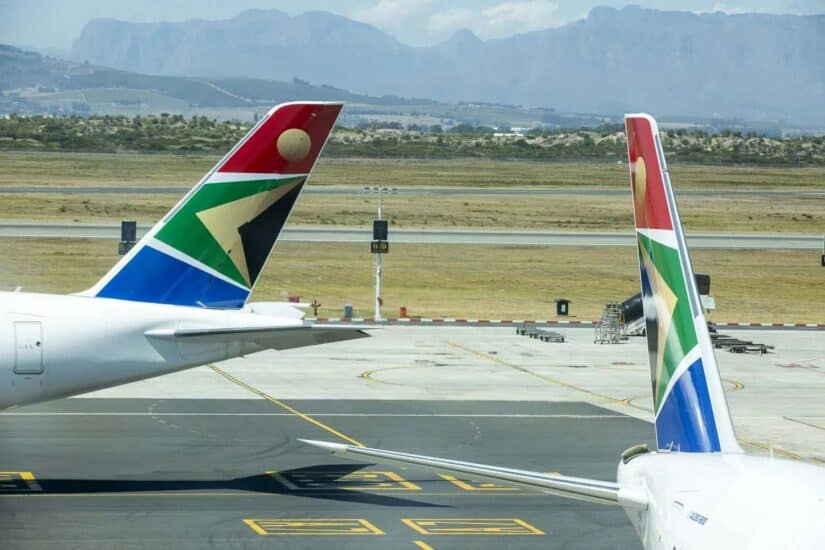
SAA planes. Picture: Gallo Images/Jacques Stander


Commercial aviation is not a place for sissies… Since 1994, about a dozen airlines have gone bankrupt in this country.
That’s more a reflection of the tough nature of the sector – because crashing and burning financially is common around the world, including for some massive players.
SAA’s survival
That our national flag carrier, South African Airways, has managed to survive – in whatever hollowed-out form – is evidence not of astute management, product demand or even good luck.
It stutters along because we, the long-suffering taxpayers, continue to pour bailout cash into it.
Were we asked if we minded? No.
Do we, as ordinary citizens, derive any tangible benefit from SAA? Again, no.
Bailouts to SAA
Even the feel-good factor of seeing our country’s colours on the tails of SAA Boeings and Airbuses at airports around the world has diminished, along with the drastic shrinkage of its route networks.
Also, the taxpayer money used to bail out and subsidise SAA may have played a role in the collapse of other local airlines over the years – airlines which did not have an uncle in the government subsidy business.
Commercial aviation is one of the toughest ways to make money. But SAA has the additional challenge of being an “end of hemisphere” airline – too far from the markets of the Americas, Europe and Asia.
Airline worked in old days
Fans of apartheid will tell you SAA worked in the “old days” – which included sanctions and flight restrictions.
But that was in the days before the Gulf carriers, led by Emirates – and all with endless government money behind it – brought about the biggest disruption to the business since the advent of the jet engine.
Even without the ANC bleeding SAA dry, it could never soar. It is beyond time everybody concerned accepted that and, as we have urged before, shut SAA’s hangars for good.