



Motsepe's popularity does not equate to political viability and the realities of ANC factionalism.
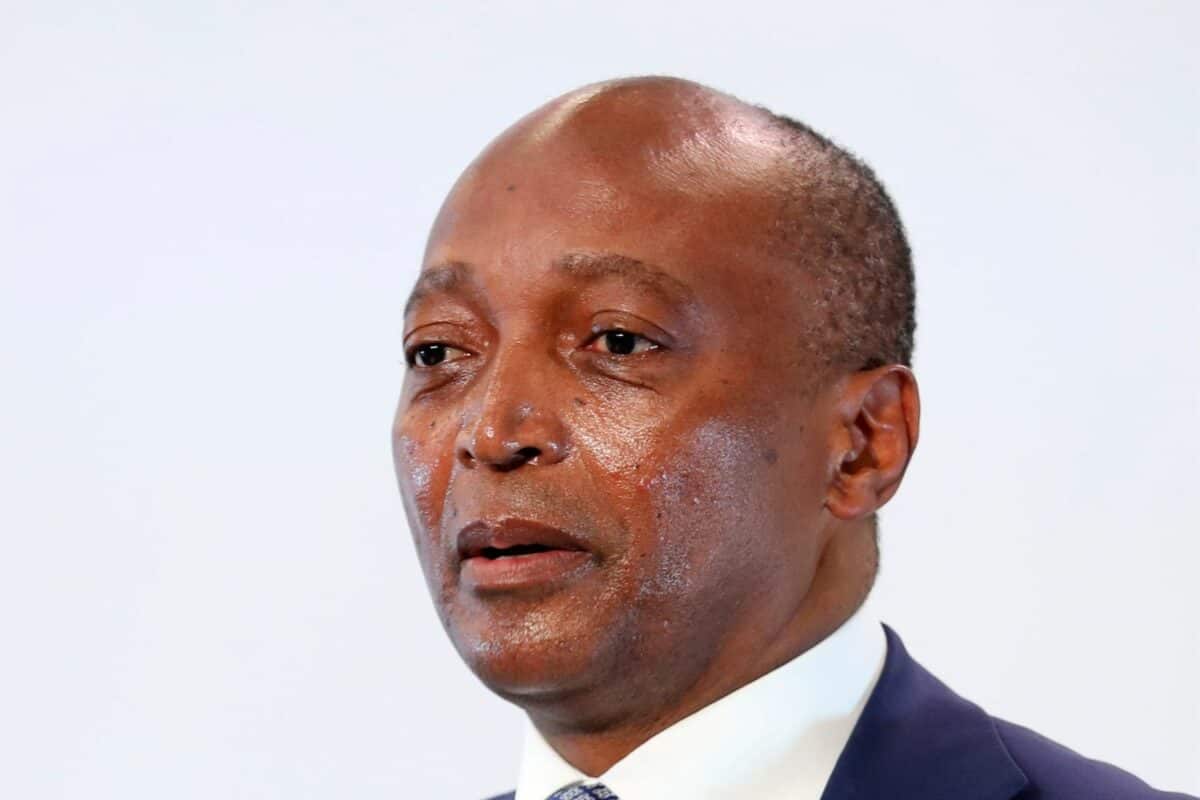
Billionaire businessman Patrice Motsepe. Picture: Muzi Ntombela/Backpagepix.


Speculation around billionaire businessman Patrice Motsepe entering the ANC succession race refuses to die down, despite his repeated denials.
The latest twist comes in the form of branded campaign T-shirts bearing the slogan “PM27 Savumelana”, signalling that some within the party are eager to thrust him into the spotlight ahead of next year’s elective conference.
Motsepe’s stature as a mining magnate, philanthropist and continental sports leader has made him one of South Africa’s most admired figures.
Yet admiration alone does not translate into political viability in the ANC’s entrenched structures, where factional alliances, ideological battles and liberation credentials remain the true currency of power.
Many South Africans view him as an ethical, pragmatic leader, distinct from the corruption scandals that have plagued the ruling party in recent years.
His clean reputation, global connections and economic expertise make him seem like a potential contender for national leadership.
However, admiration alone is not enough to secure political power within the ANC, or help save the party’s image.
His lack of political roots in ANC structures makes it impossible for him to survive the internal battles necessary for a presidential bid.
ALSO READ: ‘Motsepe or Mbeki cannot reverse ANC decline’
The party functions on deep-rooted political alliances, historical loyalties and ideological differences.
Motsepe has never been a political activist, unionist or struggle veteran – qualities ANC members typically demand from their leaders.
Even if Motsepe were to formally enter the race, he would face insurmountable ideological barriers.
The ANC’s traditional base, particularly its radical economic transformation faction, favours state-led economic policies rather than corporate driven solutions – an approach at odds with Motsepe’s free market background.
His presence as a wealthy capitalist, despite his philanthropic work, may be viewed as contradictory to the party’s historical position on economic empowerment.
Furthermore, the ANC operates on structural political alliances, where candidates gain power through union support, provincial endorsements and factional backing.
Motsepe, lacking an established political constituency, would struggle to secure the necessary delegates and votes to sustain a campaign.
His family connection to President Cyril Ramaphosa might also backfire, with opponents viewing his candidacy as a dynastic attempt to entrench elite power within the ANC.
While business leaders have transitioned into politics globally, South Africa’s political landscape remains distinctly shaped by liberation history and grassroots activism.
ALSO READ: Why even Motsepe cannot rescue a declining ANC
Figures such as Thabo Mbeki, Jacob Zuma and Ramaphosa ascended through years of political struggle, party involvement and alliance building, not purely through their leadership credentials.
And in the case of Ramaphosa, his former days of union activism immensely contributed to the ANC’s acceptance of him as president.
Motsepe, despite his admiration from the public, lacks the political machinery required to manoeuvre ANC structures effectively.
Although Motsepe’s name is being discussed by factions who want an alternative to the party’s existing leadership battles, this does not translate into a realistic path to the presidency.
The ANC presidency is won through groundwork, not goodwill. Motsepe might be an attractive name for speculation, but he is not a serious contender under current political conditions where ANC heavyweights such as Paul Mashatile, Panyaza Lesufi and Fikile Mbalula diminish his chances to succeed.
Motsepe remains one of South Africa’s most respected figures. However, his popularity does not equate to political viability and the realities of ANC factionalism, ideological positioning and structural barriers make it virtually impossible for him to win a presidential race in the party.
While South Africans may wish for a pragmatic, ethical leader to emerge from outside traditional politics, ANC leadership struggles are deeply entrenched, favouring figures with historical, grassroots and factional backing rather than independent technocrats.
Motsepe’s name will likely remain in political speculation, but his path to the presidency is one he is unlikely to pursue, let alone win.
If he wins, it will mean that he will have paid billions to ANC delegates to vote him into power.
NOW READ: Mbalula’s ANC plea falls flat
Support Local Journalism
Add The Citizen as a Preferred Source on Google and follow us on Google News to see more of our trusted reporting in Google News and Top Stories.

