



A turnaround strategy that could have made SAA profitable and competitive was never implemented
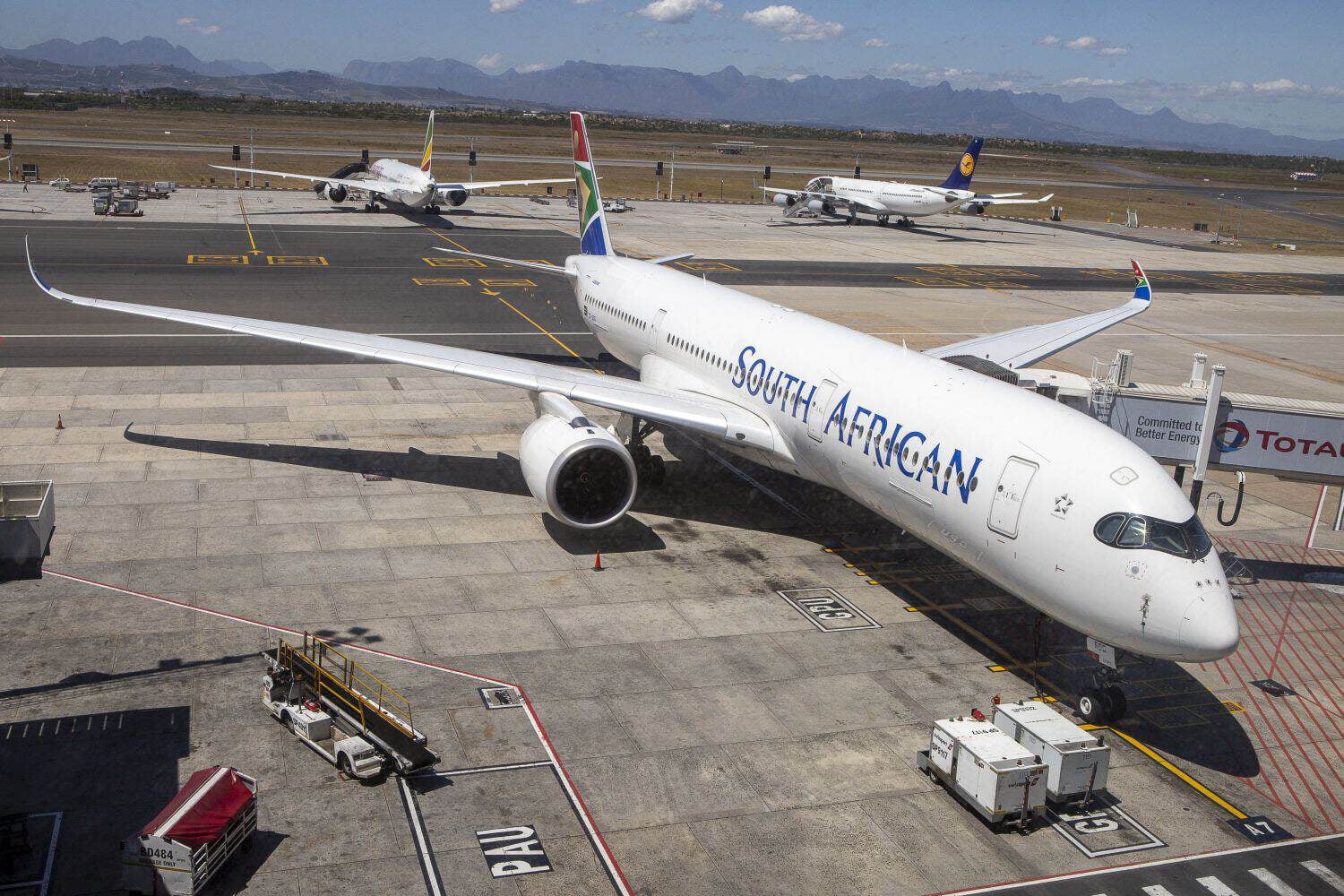
A general view of the check-in and departure areas for South African Airways at Cape Town International Airport on 18 February 2020. Picture: Gallo Images/Jacques Stander


South African Airways (SAA) knew exactly what was wrong with its business more than a decade before it collapsed into business rescue.
The problem is that it never acted on it.
The airline’s long-term turnaround strategy (LTTS), published in July 2013, approved by National Treasury but never implemented by the then public enterprises minister Malusi Gigaba, reads today less like a plan and more like a warning that fell on deaf ears.
SAA issues
The LTTS called SAA an airline with an “unsustainable business model”, crippled by high costs, poor route network decisions and weak governance.
Seven years later, when SAA entered business rescue, in December 2019 and adopted a formal rescue plan on 16 June, 2020, the same issues were still there, ultimately costing substantial numbers of jobs and billions in funding from taxpayers.
The 2013 plan was ambitious but surgical in its approach. It was authored by then acting chief executive Nico Bezuidenhout and head of strategy at the time, global aviation specialist Barry Parsons.
It’s purpose was to return SAA to profitability within five years and reposition it as a competitive African carrier with a sustainable long-term future. It identified loss-making international routes as a central problem, along with an inefficient fleet, weak productivity and a failure to align capacity with demand.
Since non-implementation, Ethiopian Airlines and, to a measure, other African carriers now occupy that position. SAA still sits with an end-of-hemisphere challenge and irrelevance as a continental carrier.
Good strategies never implemented
The LTTS noted, in 2013 already, that SAA had a history of developing good strategies but failing to implement them.
That admission, buried among technical proposals and financial projections, would prove prophetic. Because the plan was never green-lighted, instead of restructuring its network decisively, SAA continued to operate long-haul routes that had been loss-making for years.
Instead of modernising its fleet to compete, it remained burdened by high operating costs and continued to burn through executives and boards, each shifting time with priorities rather than continuity, or turning to institutional knowledge.
By the time business rescue started, SAA was thoroughly broken. The business rescue plan, first published in June 2020, gave SAA the opportunity to reset. It proposed a smaller, leaner SAA, with reduced routes, lower staffing levels and a balance sheet supported by government funding.
The focus was no longer on global competitiveness but on survival.
At the time, another former SAA executive said the World Bank purportedly wrote to Pravin Gordhan and President Cyril Ramaphosa suggesting SAA be liquidated. “They ignored it,” said the executive, “and instead poured more billions down the drain.”
The former executive said the LTTS of 2013 “imagined an airline that would be profitable, competitive and positioned within Africa well before the Covid pandemic disrupted global aviation.
“Had that plan been implemented, SAA might have entered the pandemic from a position of strength.”
Support Local Journalism
Add The Citizen as a Preferred Source on Google and follow us on Google News to see more of our trusted reporting in Google News and Top Stories.

