Ramokgopa said the government had introduced sweeping reforms to break Eskom’s monopoly and diversify electricity generation.
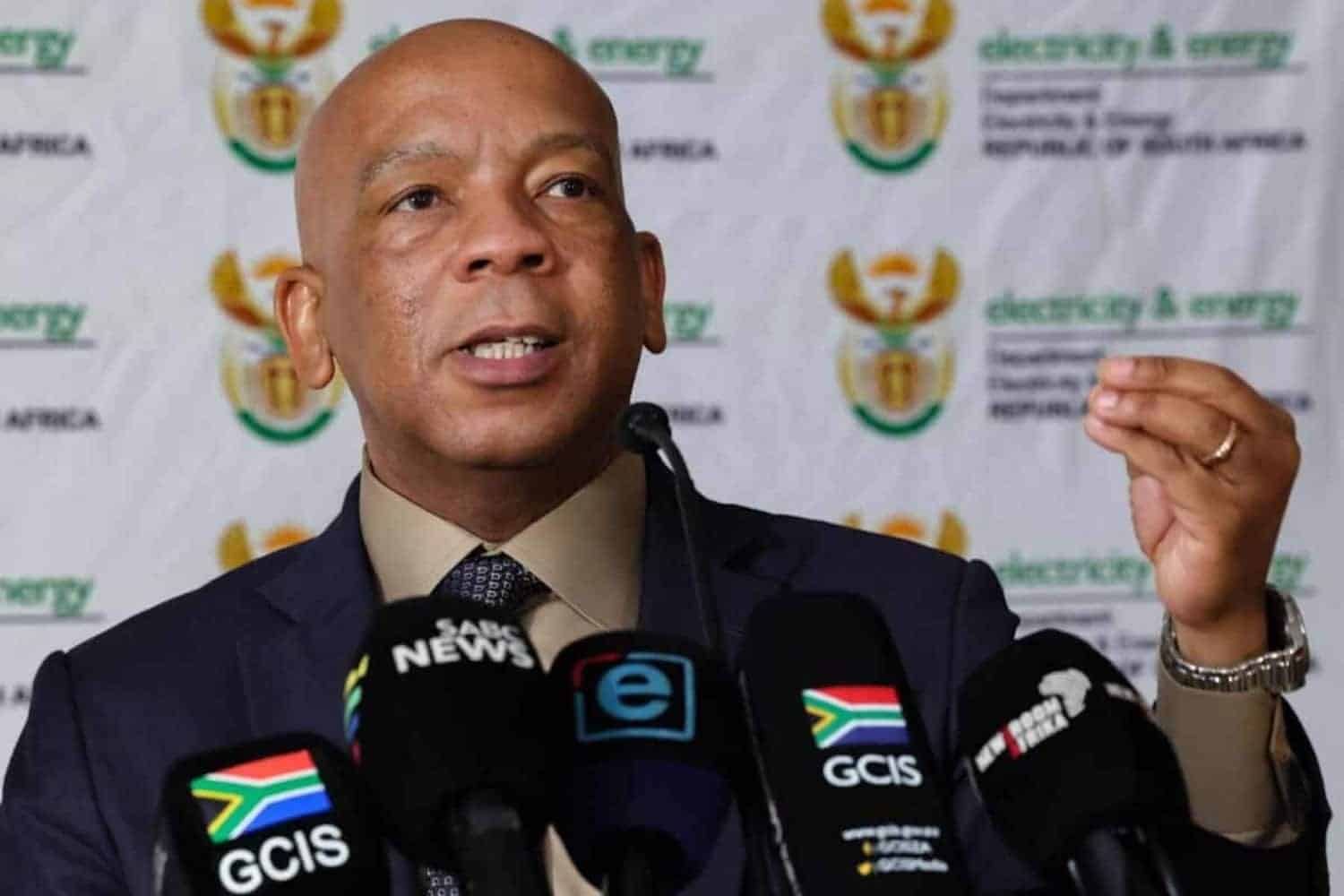
Electricity Minister Kgosientsho Ramokgopa. Picture: GCIS


South Africa has moved from an electricity crisis to stability, with the lights expected to remain on as the country prepares for future economic growth, Electricity and Energy Minister Dr Kgosientsho Ramokgopa said on Monday.
Briefing the media in Pretoria, Ramokgopa said the government was now focused on answering a critical long-term question: whether the country could sustain an electricity supply if the economy grows by at least 3% a year while expanding access to power.
“We have now transitioned from a crisis to a catalyst. The lights are on, and the lights will remain on,” Ramokgopa said.
“But the future question is whether we are capable of keeping the lights on as the economy grows and as we connect more South Africans to electricity.”
South Africa still has about 1.59 million customers without access to electricity.
Ending monopoly, opening the grid
Ramokgopa said the government had introduced sweeping reforms to break Eskom’s monopoly and diversify electricity generation.
“We were victims of a monopoly. When a monopoly is inefficient, it drags the whole country down with it,” he said.
Key reforms include amendments to the Electricity Regulation Act, the introduction of third-party electricity providers, new generation regulations and the unbundling of Eskom, including the establishment of an independent Transmission System Operator (TSO).
“This ensures Eskom is no longer a player and a referee at the same time,” Ramokgopa said.
Coal is expected to remain central to baseload generation, but renewables such as wind and solar are expected to play a growing role.
ALSO READ: SA’s water, energy and food crisis: Why fixing one means fixing them all
800MW added in 2025
Ramokgopa said more than 800 megawatts (MW) of new generation capacity had been added to the grid by December 2025, mainly from solar photovoltaic projects.
“These projects have reached commercial operation and are giving us megawatts on the grid as we speak,” he said.
Most of the new capacity is located in the Western, Eastern, and Northern Cape, which have strong renewable resources but constrained transmission capacity.
“That is why we are accelerating the rollout of transmission infrastructure in these regions,” he said.
ALSO READ: Eskom welcomes S&P upgrade to credit ratings amid turnaround progress
Private sector appetite
Government’s Renewable Energy Independent Power Producer Procurement Programme (REIPPPP) continues to attract strong interest from investors.
Bid Window 7 attracted 48 bids offering more than 10 000MW, double the 5,000MW originally requested.
“That oversubscription shows confidence in the programme,” Ramokgopa said.
Preferred bidders under the programme are expected to add about 890MW, representing an investment of about R16 billion. At least 49% of shareholding must be South African, with 40% black ownership.
“Transformation is not negotiable. It is a policy of the seventh administration,” he said.
Ramokgopa also announced seven prequalified bidders for South Africa’s first large-scale private sector participation in transmission infrastructure, part of a R440 billion rollout programme.
“We said by 15 December we would make this announcement. Today is the 15th of December, and the state must be true to its word,” he said.
The bidders include international-led consortia such as ADNOC Power, Cobra Transmission Consortium, State Grid International and EDF-led Hyperion Consortium.
“This is about credibility. When the state makes a commitment, it must deliver,” Ramokgopa said.
ALSO READ: NUM claims Eskom unbundling is designed to dismantle state asset
No return to load shedding
Ramokgopa stressed that complacency was the biggest risk.
“Our job was not just to end load shedding. That was the most urgent task,” he said. “Now it is about ensuring energy security, so the economy can grow.”
He warned that without continued investment, South Africa could face electricity shortages again later this decade.
“If we don’t take action now, we could face the same challenges in the next five years,” Ramokgopa said.
“Energy was once a crisis that throttled growth. Now it must be the catalyst that drives jobs, industrialisation and economic recovery.”
NOW READ: Ramokgopa approves Eskom unbundling plan, but municipal debt a hurdle