
Drivers are urged to consider potential roadside emergencies and ensure a spare tyre, emergency triangle and first-aid kit are accessible.
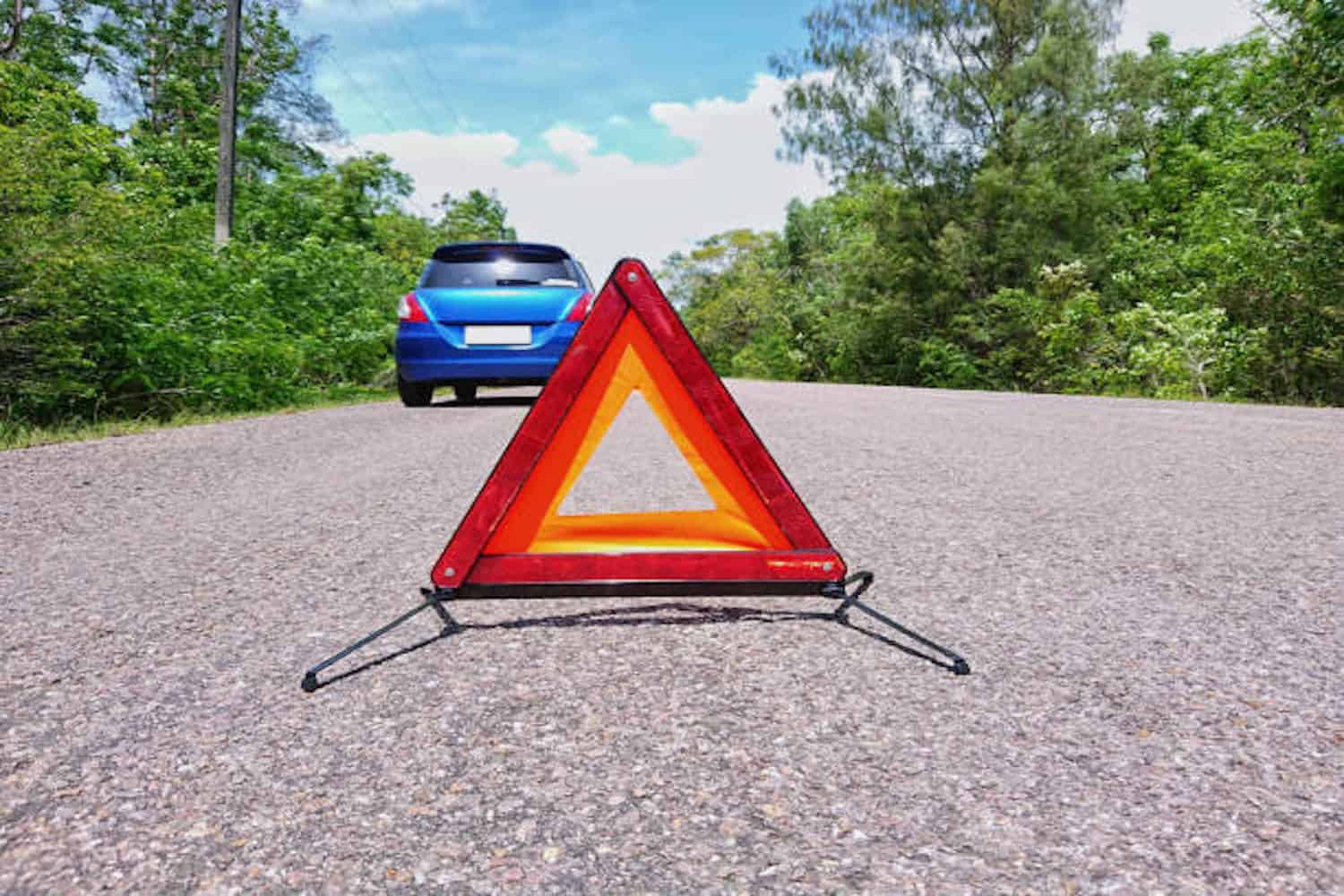
Picture: iStock


As thousands of South Africans hit the roads to return home after the festive season, motorists have been warned to pay closer attention to how their vehicles are packed.
Arrive Alive said drivers often focus on tyre pressure, fuel levels and engine checks, while overlooking the impact luggage has on a vehicle’s handling, braking and overall roadworthiness.
“There is a multitude of factors affecting the roadworthiness of your vehicle, but how you pack for a road trip is often neglected,” Arrive Alive said.
“Overloading and poor packing can reduce driving performance and increase stopping distances.”
Plan before you pack
Arrive Alive advised motorists to plan their packing carefully and avoid last-minute decisions made under pressure.
“It is best to pack most of the luggage the evening before departure to prevent thoughtless jamming of items when everyone is in a rush,” it said.
Drivers are encouraged to consider potential roadside emergencies and ensure that essentials such as a spare tyre, emergency triangle and first-aid kit remain accessible.
“Remember: last in, first out. Pack items in the order they may need to be accessed,” Arrive Alive advised.
ALSO READ: Festive season: Here are your dos and don’ts
Know the law and your vehicle’s limits
The road safety body stressed that the rules of the road must always be obeyed when packing a vehicle.
“The safety of passengers and adherence to seatbelt and child car seat laws must be the first priority,” Arrive Alive said.
Motorists are urged to familiarise themselves with their vehicle’s Maximum Authorised Mass (MAM) or Maximum Permitted Weight (MPW), which includes passengers, cargo and roof loads.
“Never exceed the maximum legal weight for your vehicle. This information can be found on the VIN plate under the bonnet or in the owner’s manual,” the campaign said.
Roof loads require caution
With many families using roof racks during holiday travel, Arrive Alive warned that roof loads increase drag, height and instability.
“Not all vehicles are created equal. Consult the owner’s manual before loading the roof,” the organisation said.
Arrive Alive recommends carrying bulky but light items on the roof, while keeping heavier luggage inside the vehicle. Loads must be securely fastened and checked at every rest stop.
Drivers should also take note of the vehicle’s increased height. “Keep a note of the new height on the dashboard to avoid collisions with bridges or tunnels,” it said.
ALSO READ: Addiction and the festive season is a dangerous combination
Pack for safety, not convenience
Arrive Alive advised packing heavy items low and as far forward in the boot as possible to maintain stability.
“Packing heavy luggage low and tight decreases their penetrating power in a crash,” the campaign said.
Luggage stacked above the back-seat line should be avoided, as it obscures rear visibility and increases the risk of serious injury in a collision. Safety nets or partitions are recommended where full boot height is unavoidable.
Loose items in the passenger area are particularly dangerous. “At 50km/h, unsecured objects can exert a force up to 50 times their weight under emergency braking,” Arrive Alive warned.
Adjust your driving style
Drivers of fully loaded vehicles are urged to adapt their driving behaviour.
“A fully loaded vehicle requires a greater stopping distance and reduced manoeuvrability,” Arrive Alive said.
Motorists should increase their following distances, remain alert to blind spots, and ensure their headlights are correctly aligned to avoid blinding other road users.
As the festive exodus continues, Arrive Alive urged drivers to take a few extra minutes before departure.
“The thoughtful driver is a safer driver. Ensuring everything is safely secured can save lives,” the organisation said.
NOW READ: South Africans warned to take precautions when using fireworks on New Years eve