


The Madlanga Commission of Inquiry completed phase one of its work in December, with at least two more phases still to come.
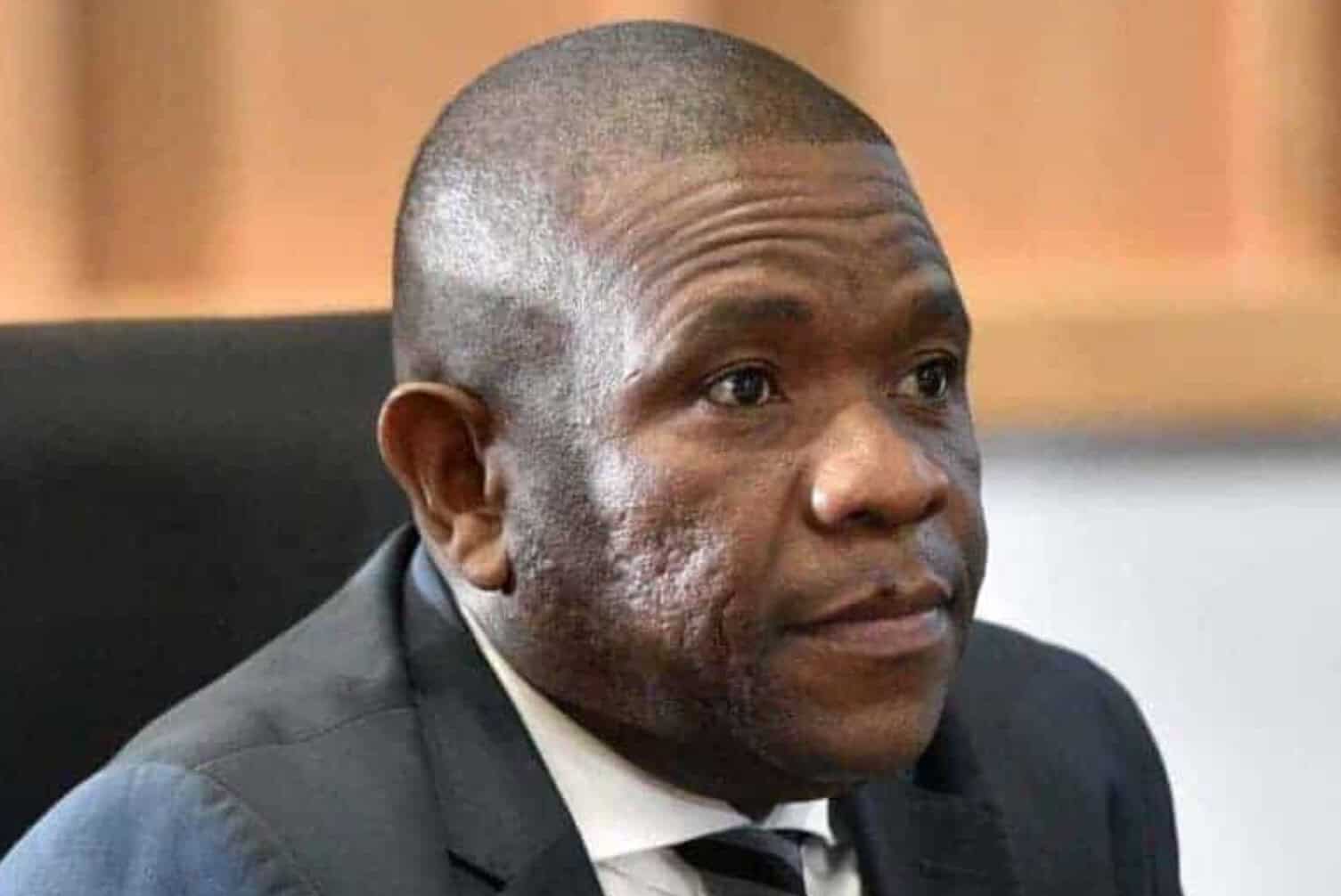
KwaZulu-Natal police commissioner Lieutenant-General Nhlanhla Mkhwanazi. Picture: Nigel Sibanda


The Madlanga Commission of Inquiry will resume its work in late January, just over four months since the first hearing in mid-September.
A continuation date has been set for 26 January, more than six months after KwaZulu-Natal (KZN) Police Commission Lieutenant-General Nhlanhla Mkhwanazi rocked South Africa’s security cluster.
Mkhwanazi’s allegations, and those of subsequent witnesses, have been compiled in an interim report submitted to President Cyril Ramaphosa; however, the commission is only a third of the way through its work.
Madlanga Commission phases
What transpired before the December break was phase one of the commission, which laid the “factual foundation” of Mkhwanazi’s allegations.
Commission spokesperson Jeremy Michaels explained that phase one was intended to allow witnesses to present evidence supporting Mkhwanazi’s allegations.
“As part of its remaining work, dozens of witnesses are due to appear before the commission over the next few months,” Michaels stated yesterday.
“However, the evidence was not subjected to testing and questioning in phase one.
“Phase two provides persons implicated in phase one an opportunity to respond to the allegations made against them and, where applicable, to make their own allegations,” he clarified.
Terms of reference to be addressed
Phase two will not be limited to responses from those implicated, as any matters covered by the commission’s terms of reference may be revisited in this phase.
Following phase two, which does not have a fixed timeframe, phase three will subject Mkhwanazi and the other witnesses to “testing questioning”, after which miscellaneous matters could be addressed.
“Phase three will provide for the recall of Lieutenant-General Mkhwanazi and the witnesses supporting his allegations.
“Issues of crucial significance to the commission’s mandate will be addressed in further hearings even if they do not fall neatly into the three phases,” stated Michaels.
The crux of Mkhwanazi’s allegations concerns interference in the KZN political killing task team and corruption by senior state and law enforcement officials.
Among other things, the terms of reference allow for the investigation of matters within the South African Police Service, the State Security Agency, the National Prosecuting Authority, and the metropolitan police department of Ekurhuleni, Johannesburg, and Tshwane.
NOW READ: 10 revelations from the Madlanga commission this year
Support Local Journalism
Add The Citizen as a Preferred Source on Google and follow us on Google News to see more of our trusted reporting in Google News and Top Stories.

