‘Walls of death’: Inside KZN’s deadly gillnet trade
A recent crackdown in the Umdloti estuary has highlighted the scale of KZN's illegal gillnet trade.
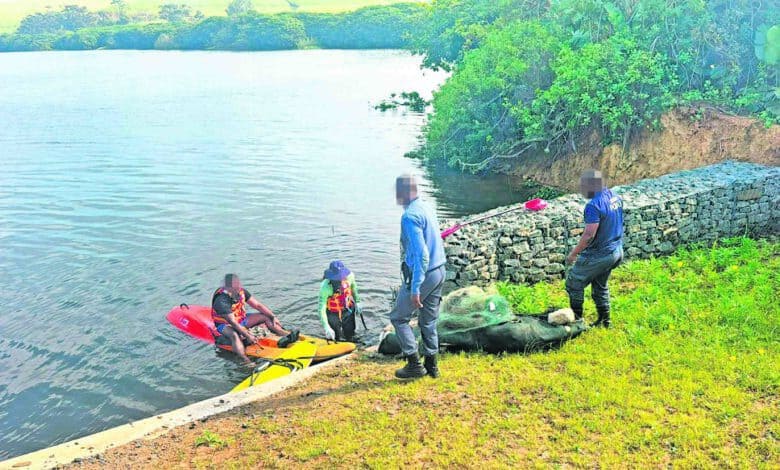
A gillnet crackdown in Umdloti has exposed a far wider poaching problem threatening fish, wildlife and even people across KZN’s waterways.
The joint operation by Durban Metro Police’s Coastal Tourism and Search and Rescue units in the Umdloti estuary on August 17 yielded three submerged nets, measuring 206 metres in total, and two improvised rafts.
Officers on paddle skis were guided by colleagues positioned along the M4 bridge and river banks to the concealed poaching gear.
In South Africa, it is illegal to sell or own a gillnet. However, a legal loophole allows nets to be imported from China and sold as crop covers, soccer nets and vegetable bags.
Speaking on condition of anonymity, an anti-gillnet poaching insider said while some poaching is carried out by subsistence fishers, most is linked to organised crime.
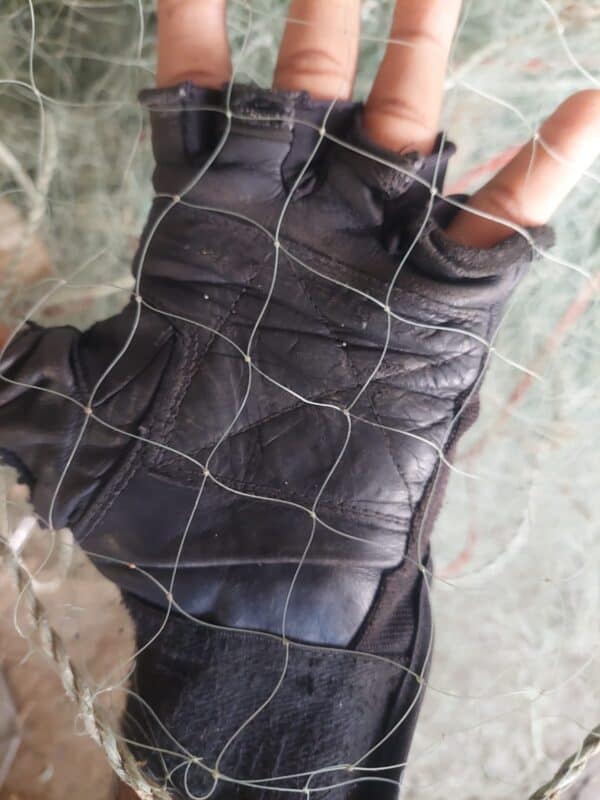
Illegally caught fish are sold to a handful of buyers in KZN, who primarily supply West African and Chinese nationals. Fish are sold by the bucket at between R15 and R25 per kilogram.
Some allegedly bypass local buyers and are sent directly to Cape Town for export.
Coastal Marine Task Force chairman Jay Naidoo compared the organised nature of the activity to that of zama zamas, saying many poachers were armed with .303 rifles, AK-47s or handguns and that anti-poaching teams had come under fire.
Gillnetting is an indiscriminate and lethal fishing method that threatens aquatic ecosystems by trapping adult and juvenile fish, as well as wildlife such as birds.
Known as ‘walls of death’, gillnets are vertical nets suspended in water. The mesh allows fish to push their heads through but not their bodies. When they try to reverse, the twine catches behind their gill covers, trapping them.
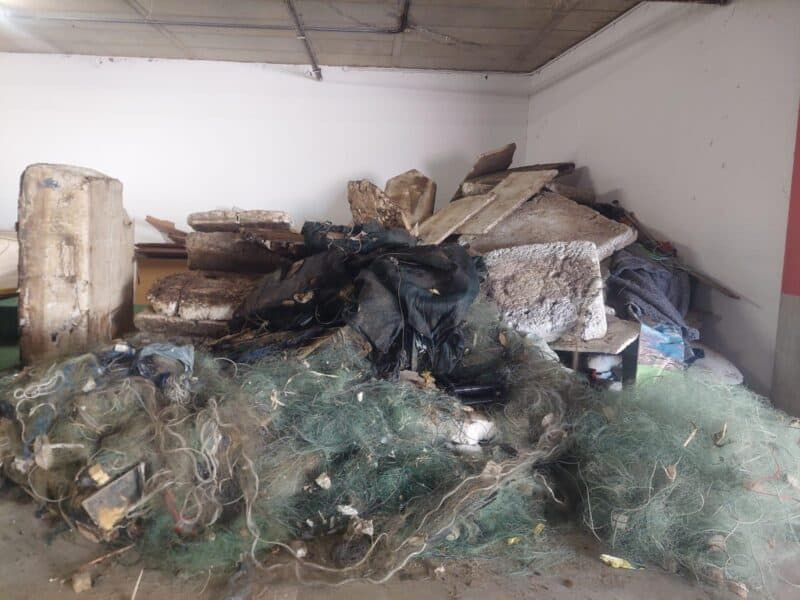
Gillnets also pose a risk to people, particularly paddlers and swimmers who can become entangled. Even when lost, discarded or swept away, they continue fishing as ‘ghost gear’, trapping crocodiles, water monitors, dolphins and turtles.
Dr Jennifer Olbers, senior marine scientist at Wildoceans, said more than 60km of gillnet had been confiscated over the past 24 months along the KZN coast north of Amanzimtoti alone. This excludes iSimangaliso and inland water bodies.
“Many reports are just the number of nets, but we know the average length of a net is 50 metres,” she said, adding that the figures were based only on nets that had been physically measured.
The most common species found in confiscated nets include mullet, tilapia, razorbelly and spotted grunter.
However, Olbers cautioned that about a third of the species reported remain unidentified.
Suspected illegal gillnetting can be reported via the free Gillnetting App (Survey123), available on the App Store and Google Play.
Stay in the loop with The North Coast Courier on Facebook, X, Instagram & YouTube for the latest news.
Mobile users can join our WhatsApp Broadcast Service here, or if you’re on desktop, scan the QR code below.