

Bullying in SA schools calls for urgent intervention
More needs to be done to consistently support and educate pupils, parents and schools to ensure the safety and well-being of everyone on the school grounds.
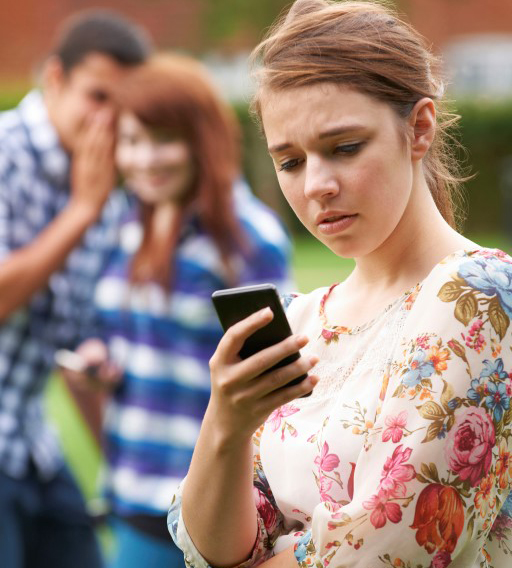
The increase in the number and severity of bullying incidents in South African schools calls for urgent and sustained intervention, an education expert has warned.
“Almost every week we hear of another desperate learner or parent having to deal with the physical and emotional trauma of bullying, yet society and authorities’ responses continue to be reactive and unsuccessful in addressing the bigger issue,” said education expert Dr Gillian Mooney, Teaching and Learning Manager at The Independent Institute of Education, South Africa.
Mooney said national and provincial education departments throughout South Africa do have policies and procedures in place on how schools should respond to bullying behaviour.
However, more needs to be done to consistently support and educate pupils, parents and schools to ensure the safety and well-being of everyone on the school grounds.
Mooney acknowledged that the challenge is enormous, and said that the crisis of bullying relates to more than just schools.
“Society itself has become a virtual fight club, with examples of bullying behaviour abounding on social media, for instance.
“People feel free to behave appallingly, to the degree that anti-social behaviour has become almost accepted practice.”
Bullying is centrally about trying to gain power, said Mooney, which means that a rise in bullying can be expected in societies where citizens feel disempowered.
“Bullying has a ripple effect, where it is the bully, the victim and the bystander who are affected.
“Other problematic home circumstances, for instance domestic abuse, divorce or the death of a parent, could also provide context in which the bully seeks to gain power through negative behaviour.”
She says it is important that high-profile and easily accessible structures and processes are put in place to help schools deal with bullying, as teachers often feel their hands are tied and victims of bullying feel that they have no voice. Bullies themselves should receive adequate support and counselling.
“Most importantly however, ways must urgently be found to address the prevailing power imbalance by demonstrating that bullying will consistently have clear and structured consequences for perpetrators,” she said.
“While there is no quick fix for either the malaise in broader society or indeed within our schools, we have a duty to ensure that the most vulnerable among us are better protected, and feel empowered to know that they can speak up and rely on the adults around them to prevent them from physical and emotional harm as far as possible.
DANGEROUS MISCONCEPTIONS ABOUT BULLYING
- FALSE: Adults should stay out of it when children are bullied.
Adults must become involved. Teachers can monitor bullies to deter bullying behaviour. Principals can discipline. Parents can report to schools.
- FALSE: Boys are the most likely victims.
Both boys and girls are equally susceptible to bullying, although perhaps in different ways. Both boys and girls are the targets of physical bullying. Girls are more likely to experience relational, sexual and cyberbullying.
- FALSE: Children should just toughen up.
This myth is a hangover from ideas like “boys will be boys” and that children will “work it out”. Bullying can cause real harm and should not be ignored.
- FALSE: Bystanders should stay ouf of it when they witness bullying.
Evidence suggests that bystanders are also affected by witnessing bullying. Observers also give bullies the audiences that they crave, and legitimacy if they do not sanction the behaviour. Children can be taught to reduce bullying by noticing, reporting and intervening.
- FALSE: It is easy to spot a bullied child.
Children do not report everything that happens in their lives to their parents. Adults need to find ways to make reporting bullying easier for children, and to follow up effectively when they do.
Do you want to receive news alerts via WhatsApp? Send us a WhatsApp message with your name and surname to 061 718 4438.
Please read our WhatsApp broadcast list disclaimer.
Join us on BBM at 59015786
Join the conversation on Facebook, Twitter and Instagram.
Stay in the loop with The North Coast Courier on Facebook, X, Instagram & YouTube for the latest news.
Mobile users can join our WhatsApp Broadcast Service here, or if you’re on desktop, scan the QR code below.