

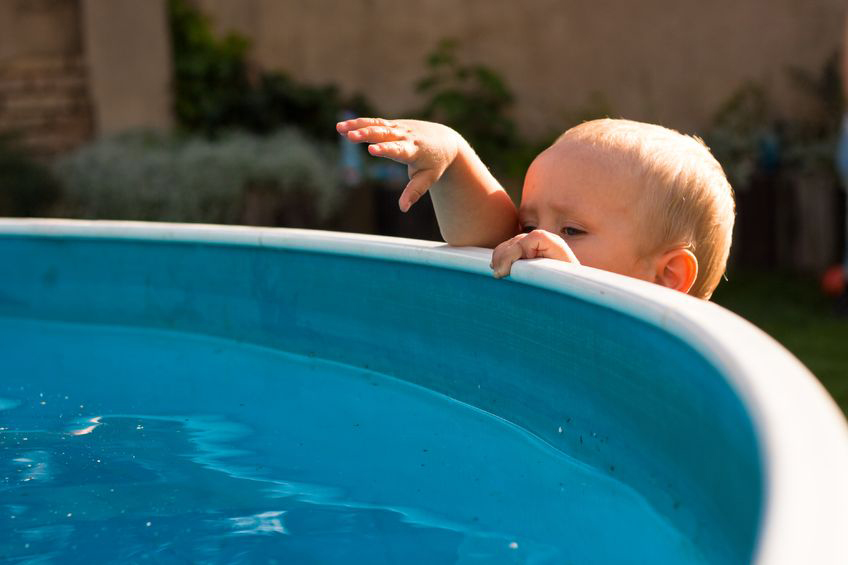
For South Africans summertime spells fun, sunshine and outdoor activities involving watersport and swimming.
However, it can unfortunately also be a time fraught with tragedy for those who are inexperienced, unable to swim and who may for some or other reason be vulnerable to drowning.
David Stanton, head of clinical leadership at Netcare 911, says emergency medical services providers tend to receive more calls related to drowning and water-associated emergency incidents during December and January than any other months.
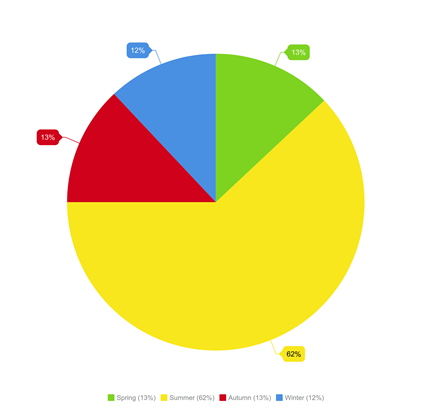
He said their statistics showed the greatest percentage of all drowning incidents during the year occur during these peak summer months.
“Looking at data extracted from Netcare 911 for the period 1 October 2016 to 30 September 2017, as much as 62% of all drowning incidents occurred during peak summer months. When reviewing statistics for the entire year, coastal areas reflect 55% of all drowning incidents.
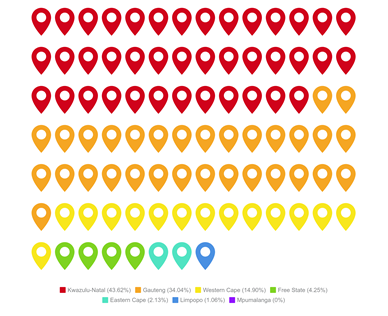
“KwaZulu-Natal saw the highest percentage of drowning incidents during the 12-month period, quite possibly because of the warm weather enjoyed all year round in the province and the fact that holiday makers, often from inland, flock to the coastal regions throughout the year,” noted Stanton.
Also read: Seven-year-old boy critical after near drowning in Salmon Bay, Ballito
Locally, KwaDukuza lifeguard supervisor Bongani Xulu said the Dolphin Coast had been fortunate to only have the one drowning at Sheffield Beach over the festive season.
Xulu said it had been a relatively quiet festive period in terms of beach emergencies. There were several rescues at Willard Bay as swimmers got into trouble; a near-drowning at Salt Rock beach on New Year’s Day where two intoxicated people were washed out; and multiple rescues at Black Rock in Zinkwazi of more intoxicated beachgoers.
“However, we generally see some drownings after the holiday period as locals head back to the beach and tell themselves ‘I know the sea’.”
Safety tips at the beach:
- Keep a watchful eye on children at all times when around water. Young children should wear lifejackets or swimming aids.
Swim at beaches where lifeguards are on duty and keep to the specifically demarcated areas designated for safe swimming. - Be mindful of warning signs that may indicate dangerous swimming conditions such as strong currents, sharks and other dangerous sea life as well as contaminated water.
- Check the weather report before going to the beach. Be careful of lightening in particular and do not enter the water until at least 30 minutes after the thunder and lightening has stopped.
- Steer clear of the ocean if you notice a choppy current with murky water.
- If you get pulled out to sea, stay calm and save your energy. Allow the current to carry you for a while and then swim parallel to the shore until such time as you are out of the current. If you cannot swim to the shore, float or tread water until you are safe from the rip current.
- Do not be ashamed to call for help if you are in trouble. Anyone, even the best swimmers, can run into difficulties at some or other time. It is important to signal for a lifeguard as soon as possible. The best way to do so when swimming in the ocean is to raise your arm as far out of the water as you can and to wave it around.
- Stay sober at the beach as alcohol will not only impair your judgement, making you less careful, but it will also dehydrate you.
- When fishing be careful of walking on slippery rocks in case you lose your footing. Also be mindful of changing tides and rough seas that can knock you off the rocks.
WATCH: How to identify a rip tide and save yourself from one
In the event of a drowning:
- Contact emergency service immediately. Whoever calls for the ambulance must give the dispatcher an accurate location of the incident and a contact number. Never hang up on the operator and always return to the rescuer to inform them that you have called for help.
- Get the victim out of the water as soon as possible, but do not become a victim yourself. Make sure it is safe for you to enter the water first.
- Handle the victim with care. Many submersion incidents are associated with neck injuries, so keep movement to the back and neck to a minimum.
- See if the victim is awake.
- Check for breathing by looking at the chest for no longer than 10 seconds. If the victim is not breathing or not breathing normally (i.e. gasping), call for immediate medical assistance.
- If the victim is not breathing at all, immediately start CPR, beginning with chest compressions. Keep doing CPR at a ratio of 30 chest compressions, and then 2 breaths.
- CPR is vital, even if it is an amateur administering it. Keep on doing it until someone who is trained in advanced life support arrives and can take over.
- All parents should learn how to administer child CPR as it differs from adult CPR. All people can benefit from CPR training – it is not a difficult skill to learn.”In any emergency situation the most important thing to do is contact the correct emergency number immediately,” said Stanton.
“Try and memorise the number for emergency services in your area and keep the number saved on your cell phone and close to your landline telephone. In many cases, during the panic of a medical emergency, people cannot remember the correct number or cannot find where they have written it down.”
>> Ready to say ‘I Do’ on the Dolphin Coast? Meet the team ready to advise, help and deliver on your big day.
>> Visit our Education feature for a collection of all the best schools, tutoring systems, and even some colleges and training facilities on the North Coast.

Do you want to receive news alerts via WhatsApp? Send us a WhatsApp message (not an sms) with your name and surname to 061 718 4438.
Please read our WhatsApp broadcast list disclaimer.
Join us on BBM at 59015786
Join the conversation on Facebook, Twitter and Instagram
Stay in the loop with The North Coast Courier on Facebook, X, Instagram & YouTube for the latest news.
Mobile users can join our WhatsApp Broadcast Service here, or if you’re on desktop, scan the QR code below.