

Record high for North Coast arson fires
North Coast fire protection officer, Peter Harris, said the fires burnt about 1 000 hectares of sugarcane land resulting in R2.2 million in damage to the sugar crop, a direct loss to the farmers.
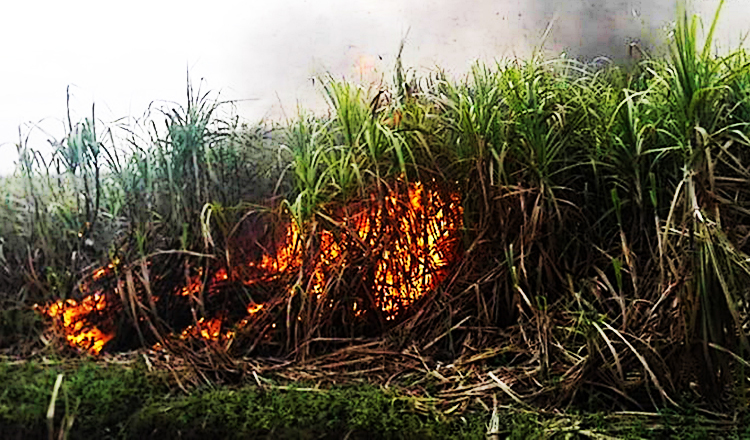
A hundred and sixty-six arson fires were reported along the North Coast between June and December last year, the highest on record, with the farming community being the hardest hit.
North Coast fire protection officer, Peter Harris, said the fires burnt about 1 000 hectares of sugarcane land resulting in R2.2 million in damage to the sugar crop, a direct loss to the farmers.
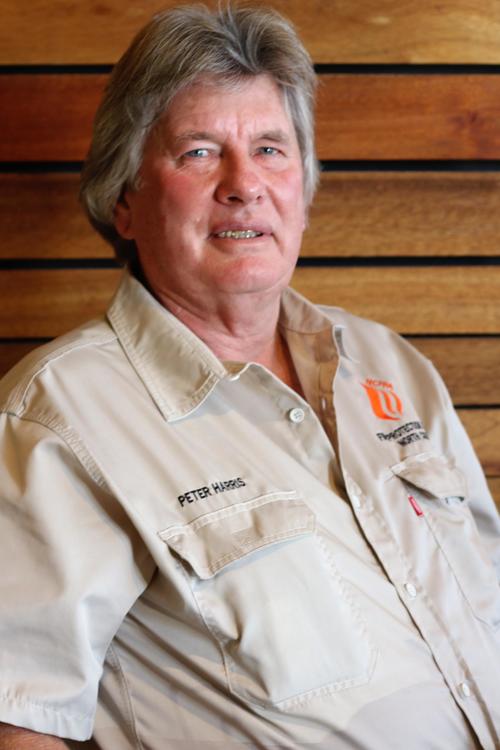
Harris, whose job is to ensure the Code of Practice (COP) for the burning of sugarcane is followed by the region’s farmers, said this was bad for farmers, especially when the cane was not ready for harvesting.
“Fires can be both maliciously started or accidents. A cigarette dropped on the side of the road can start a fire that could spread quickly,” said Harris.
High winds also means that planned fires can get out of control and have to be monitored carefully.
With more than 1 000 cane growers in the region the COP regulates sugarcane field burning and protects communities living near cane fields.
In the 2019 season Harris investigated 27 complaints from residents related to sugarcane burning.
Sugarcane harvesting and with it, hundreds of pre-harvest burns, starts in March and lasts till mid-December.
During the burning season there are about 20 controlled sugarcane fires a day, Monday to Friday, in KwaDukuza municipality.
Harris said there were a number of farmers who did not abide with the COP and were not well equipped to handle runaway fires, which resulted in extremely dangerous working conditions when attempting to put fires out.
The COP cautions growers against burning if the wind is likely to carry smuts over sensitive areas (schools, hospitals, airports, major roads and power lines), particularly between the months of August and November during morning burns.
“There is also a restriction on burning on the weekend and no burning between 9am on Saturdays and 4pm on Sundays,” said Harris.
While many urban residents have been pushing for the industry to switch to green harvesting (without burning), Harris said on a large scale it was not economically feasible.
Growers for decades have set fire to sugarcane fields before cutting – known as pre-harvest burning – which makes cane easier to cut.
The sugarcane industry burns 90 percent of its crop at harvest, while ten percent is harvested green.
Harris said under the National Veld and Forest Fire Act, fire permits were issued when conditions were right for the smoke to rise and dissipate, but conditions could quickly change.
Anyone wishing to report a possible infringement of the sugarcane burning code of practice must report the date of the incident with the time and location to Peter Harris at 032 815 1078 or 072 264 9592.
Download The North Coast Courier mobile app, now available free from the Apple iStore and on Google Play, for IOS and Android phones.

Stay in the loop with The North Coast Courier on Facebook, X, Instagram & YouTube for the latest news.
Mobile users can join our WhatsApp Broadcast Service here, or if you’re on desktop, scan the QR code below.