

What you should know about wetlands
About 300 000 wetlands remain in SA but these face constant threats from invasive alien plants, erosion, development within and around the wetlands, draining of wetlands, pollution, influx of excess nutrients, burning of wetlands and mining.
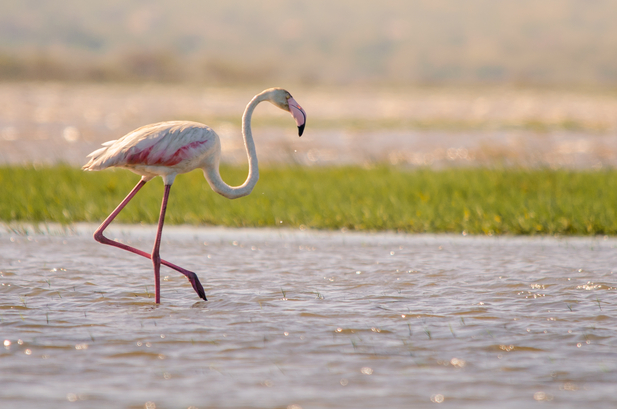
Unbelievable as it may seem, wetlands were once considered wastelands despite being one of the most productive ecosystems on Earth.
In South Africa, wetlands make up only 2.4% of the country’s surface area, but 48% of them are critically endangered.
The country has lost roughly 50% of its original wetlands.
On Wednesday, February 2, we celebrated World Wetland Day.
Wetlands are land in a transitional stage between terrestrial and aquatic systems, where the water table is usually at or near the surface.
A wetland can also be a stretch of land periodically covered with shallow water, and which in normal circumstances supports vegetation typically adapted to survive in saturated soil.
About 300 000 wetlands remain in SA but these face constant threats from invasive alien plants, erosion, development within and around the wetlands, draining of wetlands, pollution, influx of excess nutrients, burning of wetlands and mining.
Wetlands play an incredibly important role in river catchments, both directly and indirectly, by contributing to flood control, drought relief, water storage and even water purification, food security and of course, tourism.
Certain wetlands enjoy more formal protection and status, such as Ramsar sites.
A Ramsar site is a wetland deemed of international importance under the Ramsar Convention on Wetlands, an intergovernmental environmental treaty established in 1971 by the United Nations Educational, Scientific and Cultural Organisation (UNESCO).
South Africa currently has 27 Ramsar-listed wetlands, of which the 5 closest to KwaDukuza are Ntsikeni Nature Reserve, Umgeni Vlei Nature Reserve, Natal Drakensberg Park, Ingula Nature Reserve and the iSimangaliso Wetland Park and World Heritage Site.
iSimangaliso is the country’s most well-known wetland, covering some 3 280 km2.
It is one of the most outstanding natural wetland and coastal sites in Africa.
It includes a wide range of pristine marine, coastal, wetland, estuarine and terrestrial environments which are scientifically valuable and unmodified by people.
It is also home to the largest estuarine lake in southern Africa, measuring about 350km2.
For breaking news follow The North Coast Courier on Facebook, Twitter, Instagram and YouTube.
Join our Telegram Broadcast Service at: https://t.me/joinchat/yJULuN8NaCs5OGM0
Join our WhatsApp Broadcast Service: Simply add 082 792 9405 (North Coast Courier) as a contact to your phone, and WhatsApp your name and surname to the same number to be added.
Stay in the loop with The North Coast Courier on Facebook, X, Instagram & YouTube for the latest news.
Mobile users can join our WhatsApp Broadcast Service here, or if you’re on desktop, scan the QR code below.