
Can a good diet boost your immune system?
Staying hydrated plays a vital role in the body's ability to absorb immune-boosting vitamins and minerals.
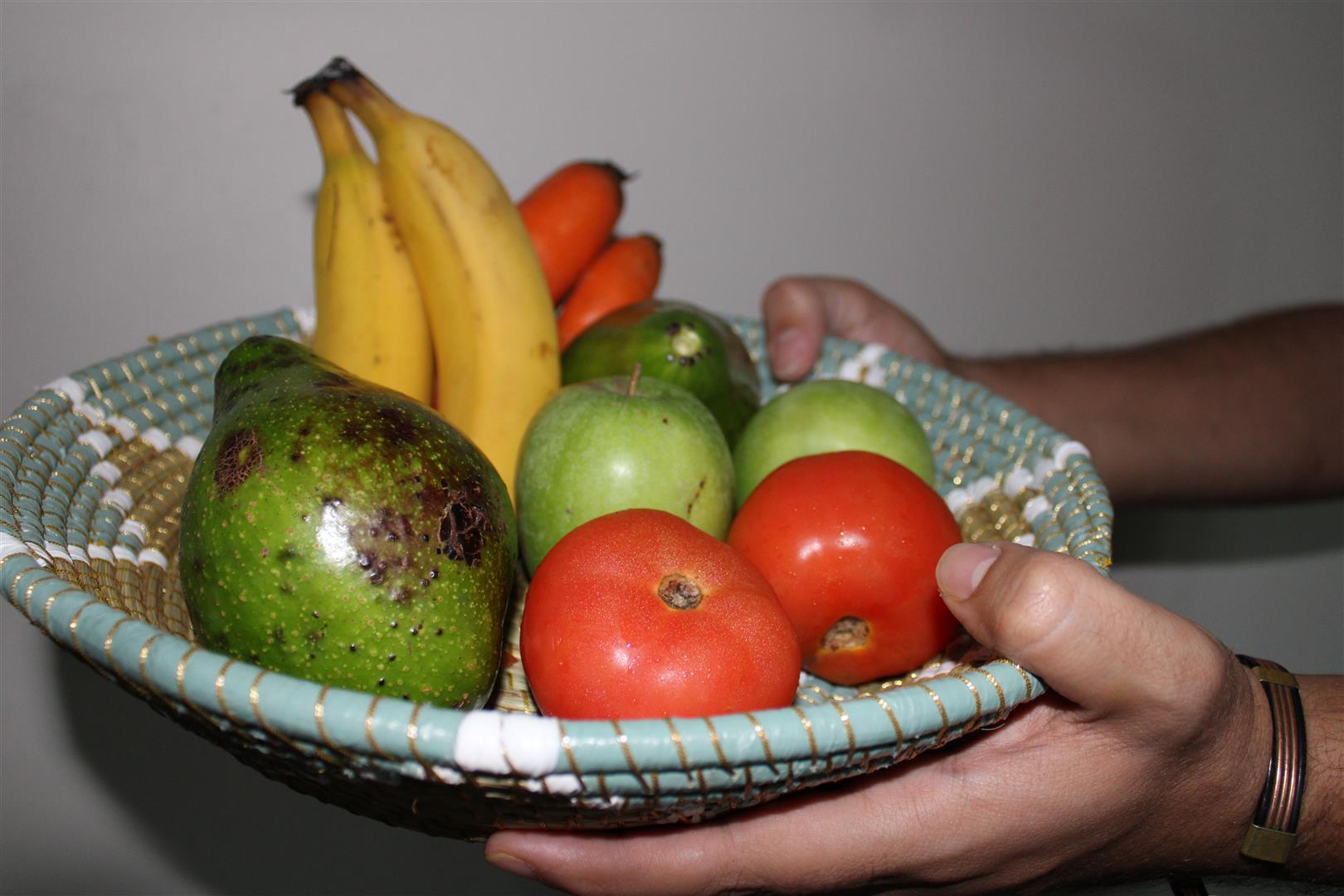
AS the nation adapts to life in lockdown, staying healthy and staying at home is a priority and with World Health Day (WHD) celebrated across the globe on 7 April, the Northglen News chats to two local dietitians to find out if careful eating habits can help to build a strong immune system.
WHD is a global health awareness day celebrated under the sponsorship of the World Health Organization.
Also read:Local athletes prepare for any outcome over Comrades Marathon
While there are many factors that contribute to a healthy immune system, knowing what to eat and what to avoid is a step in the right direction.
“How food affects our bodies is constantly expanding and changing, but a good, well balanced diet including nutrient dense and unrefined foods rich in fibre, plays a vital role in supporting one’s immune system,” said Julie Peacock, a registered dietitian at a private practice in Durban North.
Supplementing a healthy diet and managing stress are also key considerations, said Profesor Suna Kassier, a registered dietitian and head of department of Dietetics and Human Nutrition at the University of KwaZulu-Natal.
“When it comes to boosting one’s immune system, concepts that come to mind are antioxidants, phytochemicals (compounds produced by plants) and supplements,” she said.
What to eat
While there isn’t a particular food that can cure a poor immune system, Peacock and Kassier listed several foods which contain vitamin C, E and A that are known to be helpful.
“Citrus fruits such as oranges, naartjies or minneolas are rich in vitamin C which promotes the production of white blood cells, which help fight infections. Broccoli is rich in vitamins A, C and E and full of anti-oxidant and anti-inflammatory nutrients which fight foreign substances in the body,” said Peacock.
In other news: Durban North school creates autism awareness
“Sunflower seeds are full of important nutrients, especially Vitamin E, which is important in regulating and maintaining our immune system,” she added.
Kassier highlighted the value of the antioxidant nutrients in vitamin C, vitamin E and betacarotene, a reddish pigment found in most yellow orange vegetables and fruits, as well as dark green leafy vegetables. These vitamins together with selenium and zinc, play an important role in preventing cell damage by harmful substances such as free radicals.
“Opt for brightly coloured fruits and vegetables, as many of the substances that give foods their brilliant colour are in fact the ones that strengthen the immune system. However, the question that arises is, is it not just easier to take a multivitamin supplement? The answer is that a round pill can never serve as a substitute for a square meal for numerous reasons,” said Kassier.
Staying hydrated plays a vital role in the body’s ability to absorb these immune-boosting vitamins and minerals.
What not to eat
Water also allows the body to eliminate certain waste products via the kidneys, through the urine. The body has more waste to deal with when we consume too much sugar, alcohol and fast food.
“A regular intake of fast food can potentially ‘reprogram’ the way your immune system reacts to issues such as sickness or viral infection and the length of recovery could even be affected negatively. Monosodium Glutamate (MSG) can increase oxidative stress in the body, disrupting the body’s ability to fight infections effectively,” said Peacock.
“High volumes of alcohol, can reduce the function of macrophage cells which break down foreign invaders in the body, and impair the production of B and T-cells which act like the ‘first responders’ when there is an infection or injury,” she added.
Sugar and caffeine can also have negative impacts on the immune system.
Kassier added: “In addition to bacterial and viral infections, sustained emotional stress can cause immune suppression, resulting in colds, flu and upper respiratory tract infections.”
*Notice: Coronavirus reporting at Caxton Local Media aims to combat fake news
Dear reader,
As your local news provider, we have the duty of keeping you factually informed on Covid-19 developments. As you may have noticed, mis- and disinformation (also known as “fake news”) is circulating online. Caxton Local Media is determined to filter through the masses of information doing the rounds and to separate truth from untruth in order to keep you adequately informed. Local newsrooms follow a strict pre-publication fact-checking protocol. A national task team has been established to assist in bringing you credible news reports on Covid-19.
Readers with any comments or queries may contact National Group Editor Irma Green (irma@caxton.co.za) or Legal Adviser Helene Eloff (helene@caxton.co.za).
You can also sign up for news alerts on Telegram. Send us a Telegram message (not an SMS) with your name and surname (ONLY) to 060 532 5532. 
Here’s where you can download Telegram on Android or Apple.