Autism acceptance more than just awareness, says behaviour tech
Autism Acceptance Month highlights the need to embrace true inclusion, valuing neurodivergent individuals for their unique contributions.
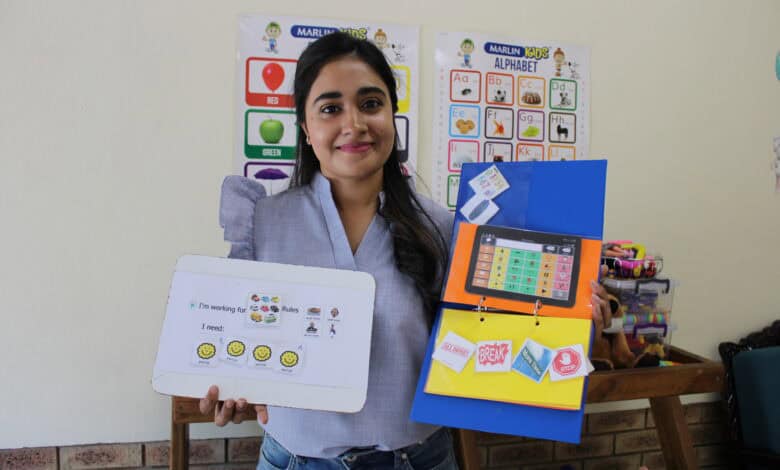
AS the world marks Autism Acceptance Month, there is a growing call for society to move beyond awareness towards meaningful inclusion of autistic individuals.
With this year’s theme focusing on humanity and value, Nemisha Hiraman, a Board-Certified Behaviour Technician from Durban North, says that neurodivergent individuals should not be defined by their diagnosis but by their humanity, their values and their unique contributions.
Also read: Spreading Easter cheer to Briardene and Malacca Road children
“Too often, society frames autism through a lens of deficit – looking at what someone “cannot” do rather than recognising the richness of their perspectives, creativity, honesty and resilience,” she said.
“As neurodivergent individuals grow into adulthood, mental health, education and workplace supports should become vital in ensuring they are not just accommodated, but truly valued. Families, schools and employers all play a role in shifting the narrative – from seeing difference as a limitation to seeing it as diversity that enriches communities,” she added.
From a professional perspective she believes autism acceptance represents a shift in both attitude and action.
“Autism acceptance goes beyond simply knowing autism exists. Awareness is about recognition, while acceptance is about attitude and action,” she said.
“It means valuing neurodivergent individuals as they are, respecting their communication styles, sensory needs, and ways of engaging with the world. Where awareness stops at identifying differences, acceptance embraces them as valid expressions of human diversity.”
Hiraman said acceptance requires moving away from trying to “fix” individuals and towards creating inclusive, flexible environments.
Families and communities play a vital role. Support rooted in dignity involves centreing autistic voices, fostering genuine inclusion, and building systems that empower rather than stigmatise.
“Inclusion is often diluted. True inclusion is not simply saying ‘you are welcome’ — it is actively designing spaces and systems that meet diverse needs,” she said.
Despite growing awareness, misconceptions remain, including the belief that autism is a disease that can be cured.
“Autism is a neurodevelopmental difference involving different ways of thinking, learning and experiencing the world. It should not be seen as a limitation,” she said.
She emphasised that no two autistic individuals are the same.
“If you’ve met one person with autism, you’ve met one person with autism,” she said.
Early intervention remains critical, particularly during early childhood when brain development is most rapid, supporting communication, social engagement and sensory regulation.
“Parents should seek neuroaffirming, play-based and child-led approaches that respect individuality and build trust,” she said.
In schools and workplaces, inclusion means adapting systems to fit individuals, including accommodating sensory needs and different communication styles.
Hiraman added that workplaces should also support parents of neurodivergent children through flexibility and understanding.
Mental health support is essential, especially as individuals transition into adolescence and adulthood.
“Neurodivergent individuals are often vulnerable to anxiety, depression and stress due to sensory demands and social expectations,” she said.
“Mental health support is not an extra but a core part of inclusion.”
With this year’s theme focusing on humanity and value, Hiraman said autistic individuals should be recognised beyond their diagnosis.
“They should not be defined by their diagnosis but by their humanity, values and unique contributions,” she said.
She added that families, schools and employers all have a role to play in shifting perceptions and embracing diversity as something that enriches communities.
For more from Northglen News, follow us on Facebook, X or Instagram. You can also check out our videos on our YouTube channel or follow us on TikTok.
Click to subscribe to our newsletter – here