
Reducing chronic diseases in HIV patients
"HIV positive women are three to five times more likely to develop cervical cancer and its progression is far more rapid"
The number of people living with HIV who develop chronic conditions like cardiovascular and respiratory disease, cancer or diabetes is increasing. KwaZulu-Natal, which has the highest HIV prevalence rate in South Africa, is the worst affected province.
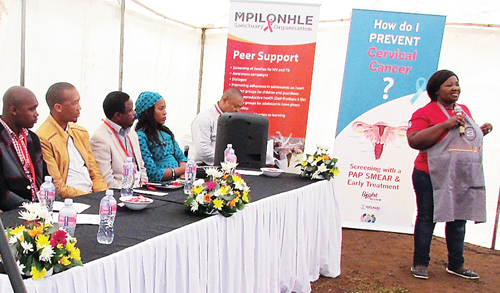
Bhekuzulu Self Sufficient Project (BSSP), together with Mpilonhle Sanctuary Organisation (MSO) and the Right to Care, has launched a new integrated chronic care initiative in the UThukela district to reduce the incidents of chronic diseases in HIV positive patients. This began on Friday with a common cancer screening drive at AE Haviland Clinic in Weenen.
Fezile Hadebe-Dlamini, (Executive Director at BSSP), says: “People living with HIV are at higher risk of developing common cancers, tuberculosis and other non-communicable diseases (NCDs). This is due to the HIV infection itself and antiretroviral therapy (ART) side-effects, as well as lifestyle factors. UNAIDS reports that one third of persons screened at HIV testing sites are obese and have hypertension.
ALSO READ: Fighting chronic diseases and promoting healthy lifestyles
“Despite the clear links between HIV and chronic diseases or NCDs, the healthcare system’s prevention and treatment response remains fragmented. An integrated response that deals with overlapping problems and common risks has become a healthcare priority as ART is enabling people to live long enough to develop other diseases.”
The integrated chronic care initiative in UThukela is being funded by the Bristol Myers Squibb Foundation that has committed just over R15 million for two-and-a-half years. Right to Care is the prime recipient, responsible for project management, training doctors and nurses and procuring equipment. BSSP has signed a Memorandum of Understanding with the District Department of Health to scale up awareness, screening and treatment services. Communities, women’s groups and faith-based organisations are also being mobilised to help raise awareness.
READ THIS: High numbers of people dying from AIDS in Sub-Saharan Africa
“We aim to optimise the use of available resources and integrate screening and prevention. Ultimately, we are aiming for a single visit approach, which allows patients to have all their chronic conditions reviewed at one appointment,” says Ms Hadebe-Dlamini.
Cervical cancer was once again highlighted as a preventable but highly prevalent cancer at the first milestone of the initiative, the cancer screening drive.
She says: “The Human Papilloma Virus (HPV) is the most common sexually transmitted infection and the most common cause of 70 percent of cervical cancers. The HPV vaccination of young girls is not well implemented in school health programmes in this area despite it being a primary prevention strategy for cervical and other HPV-related cancers. Furthermore, pap smear screening in this district is well below the levels required to effectively prevent these cancers.
“HIV positive women are three to five times more likely to develop cervical cancer and its progression is far more rapid. The new integrated chronic care initiative aims to tackle this cancer as well, which affects young women the most,” explained Ms Hadebe-Dlamini.
READ THIS: Access to chronic medicines to be improved for patients
Treated HIV/Aids has become a chronic disease, and the healthcare needs of people on antiretroviral treatment resemble those of people with NCDs. There are also links between HIV and NCDs in terms of chronicity, risk of development and severity of progression of disease. She added: “The UThukela programme is being implemented together with the Department of Health as healthcare workers are required to take a far more co-ordinated approach. Furthermore, we are hoping to create more youth friendly health services, which have been identified as a vital element of prevention strategies.”
The programme is being rolled out in three local municipalities under UThukela District, the Alfred Duma Local Municipality, the UKhahlamba Municipality and the iNkosi Langalibalele Municipality.
Implementation is taking place at 16 facilities – nine fixed clinics and seven mobile clinics which form part of the three hospitals i.e. Estcourt Hospital, Emmaus Hospital and St Chad’s Community Health Centre.
Lastly, BSSP thanked the community of Weenen and surroundings for attending the launch, which took place on October 6. Special thanks to the following individuals for their positive contributions to the launch, Mkhonto Blose of DOH Uthukela DM, Rev K Mbili, induna Sibisi, Ward Cllr Mncube, Dr S Mbatha of the programme, Sibongile Ramotsella of Right to Care, Christable Semondile of BMSF, Dr T Zulu of DOH Uthukela DM, Patrick Mdletshe of the Civil Society Provincial Chairperson and Mrs Mpume Zwane of MSO.
Click to receive news links via WhatsApp. Or for the latest news, visit our webpage or follow us on Facebook and Twitter