
World Milk Day 2018: Raise a glass
In South Africa and globally, the recommended calcium daily intake for adult men and women to maintain the calcium balance of the body is about 1 000 to 1 200 mg
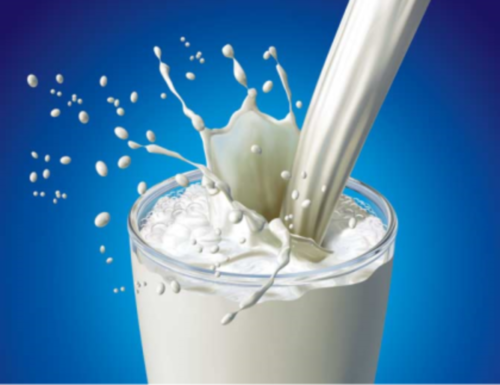
On Friday, June 1, South Africa will join many other countries around the world in celebrating the 18th annual World Milk Day.
Why? Because milk is a tasty, versatile and convenient source of important nutrients that adults and children need for optimal nutrition.
Does the source of calcium matter?
Calcium is one of the most important minerals in the diet. We all need a daily calcium intake from our diet. The adult human body contains about 1 000 mg of calcium; 99% is found in the bones of the skeleton and the rest plays a vital role in muscle contraction, blood clotting, communication between neurons, and regulation of blood pressure. Calcium helps us grow and maintain strong bones and teeth and also helps to prevent high blood pressure, heart disease, certain kinds of cancer and obesity.
How much?
In South Africa and globally, the recommended calcium daily intake for adult men and women to maintain the calcium balance of the body is about 1 000 to 1 200 mg. If the diet is lacking in calcium, the body extracts calcium from the skeleton to meet its other needs such as regulation of blood pressure.
Best sources?
Dairy products like milk, maas (fermented milk), yoghurt and cheese have the highest calcium content of all foods. One serving of milk, yoghurt or maas (1 cup) or 40 g of cheese each contain about 300 mg of easily absorbed, bio-available calcium. The suggested 3-A-DayTM servings of dairy should therefore provide 90% or more of the daily reference intake (DRI) for adults.
Low intake
Unfortunately, many studies have shown that the dietary intake of calcium from foods by South African adults and children is far lower than the recommended level of 1 000 to 1 200 mg per day. The critical phase when calcium should be deposited in the skeleton (infancy, childhood and particularly the teenage years right up to the mid-twenties) is probably the period when calcium intake is most neglected, followed by low intake in old age, when bone maintenance is still vital to prevent crippling disease.
The ideal solution
The ideal solution would be for everyone to have three servings a day of dairy products such as milk, maas, yoghurt or cheese in optimal quantities.
Select the best source!
This is why South Africans should be made aware of how essential it is to select the best possible source of calcium for their daily intake. Besides dairy, most other foods contain calcium in varying amounts. For example, broccoli contains 35 mg per 70 g serving so that it would take seven cups of broccoli to provide the same amount of calcium as one cup of milk, maas or yoghurt.
Calcium absorption barriers
Plant sources of calcium usually contain chemical compounds like phytates (wheat bran, beans, seeds, nuts and soy isolates), oxalates (spinach, nuts, cabbage, sweet potatoes, rhubarb and beans), and tannins (tea) which combine with calcium to form insoluble compounds and reduce absorption of calcium.
Lack of vitamin D due to insufficient exposure to sunlight and inadequate dietary intake also interferes with calcium absorption. High sodium (salt) intake increases loss of calcium through the kidneys, and should be avoided.
Pitfalls of plant-based beverages
Plant-based beverages such as those made from almonds, rice and oats, etc. differ considerably from cow’s milk with regard to nutritional composition and bio-availability of nutrients. Calcium does not occur naturally in these products, which are usually fortified with vitamins and minerals. People who avoid dairy for reasons such as the desire to follow a vegan diet, milk protein allergy, misconceptions about animal welfare, etc. should study the food labels on plant-based beverages carefully to determine whether they are getting an adequate calcium intake or are at risk of deficiency.
Whole foods
Dairy products are rich sources of nine essential nutrients, of which high-quality protein, calcium and potassium are probably the most important for South African requirements. Whole foods such as milk, maas, yoghurt and cheese are the richest source of bio-available calcium in the diet so, if possible, give them a chance to improve your health and complete your diet.
It would seem that the source of calcium in your diet really does matter!