Skin cancer… who is at high risk of getting it
People living with the genetic condition Albinism, causing them to lack skin pigments and therefore have extremely pale skin, need to take extra special care when outdoors.
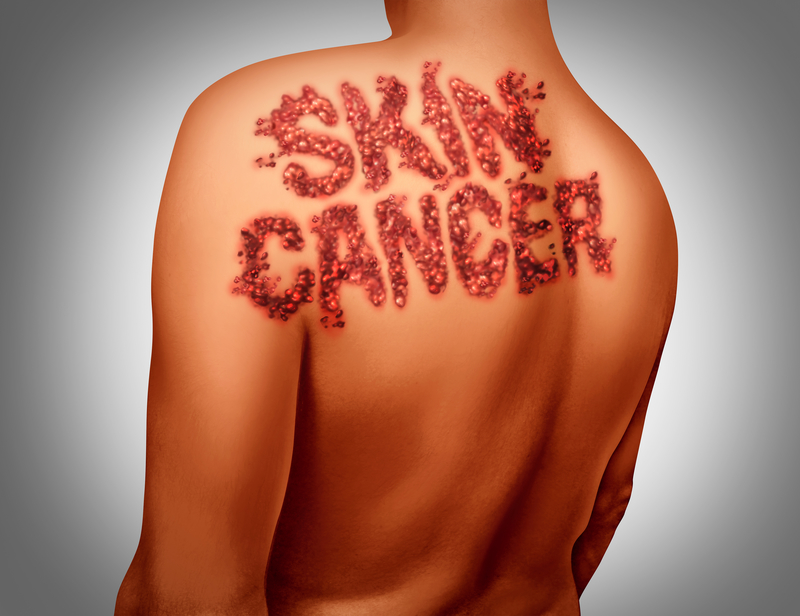
South Africa has one of the highest rates of skin cancer in the world, in part due to high levels of Ultraviolet (UV) radiation, which is a major cause of skin cancer. The UV radiation is just as dangerous for outdoor laborers, sports people, on the playground or when driving to work, as it is when at the beach or pool.
According to the SA Cancer Association website, people with blonde/redhead hair with light skin, freckles and green or blue eyes are more at risk for sunburn and skin damage than those with a darker skin, people with a darker skin tone should also take precaution to protect themselves from UV rays.
People living with the genetic condition Albinism, causing them to lack skin pigments and therefore have extremely pale skin, need to take extra special care when outdoors, as they are at greater risk of developing skin cancer, and it’s important that it be detected early when it can be removed by surgery.
They need to wear protective clothing and sunglasses (rated at UV 400) to protect their sensitive eyes. It’s also important that they seek employment in a shaded environment and go for regular examinations to monitor for skin cancer. Sunscreen is available for people living with Albinism through a prescription from the Department of Dermatology at public hospitals.
People who think that indoor tanning or sunbeds are a safer option are mistaken. There is no such thing as a healthy tan, which in fact indicates skin damage. The first use of sunbeds before age 35, increases the risk of developing melanoma by 59%.
Julie George, melanoma survivor states, told the website: “I think in the back of my mind I knew sunbeds were dangerous, but I never knew just how dangerous. I was completely ignorant of the nature of melanoma too. I wish I could have had a glimpse into the future back then, a real understanding of the dangers. I still find people today who don’t take it seriously. I think as I had, they have the ‘it won’t happen to me’ mindset. I am hoping my story will convince people that this is a very real, life-threatening risk.”
For assistance call the SA Cancer Association at 0800 22 66 22

HAVE YOUR SAY:
Like our Facebook page, follow us on Twitter and Instagram or email us at dundee.courier@caxton.co.za. Add us on WhatsApp 071 277 1394.