
For decades I have worked as a guide and adventure tour operator, my life shaped by adrenalin. People chase adventure for many reasons. Partly it is an escape from routine. Partly it is ego. You go out, test yourself, and measure your courage against the possibility of failure. Thrills and spills are the essence of adventure.
Yet, from the perspective of tourism services, the entire experience must be carefully managed to avoid accidents and keep people safe. Does that mean it is no longer a true adventure? Not quite. Rafting, abseiling, ziplining, mountain biking and other high-adrenalin activities can never be made completely safe.
The meaning of adventure rests on risk. There is always the chance that something may go wrong. You can drown, fall, collide with a tree, or flip over on a steep trail. This inherent risk is what separates adventure tourism from nature and culture tourism.
Even so, nature tourism carries its own hazards. Game viewing involves wild animals. Museum visits may involve nothing more dramatic than a staircase, yet people still fall on them. But adventure is risk by design, not coincidentally.
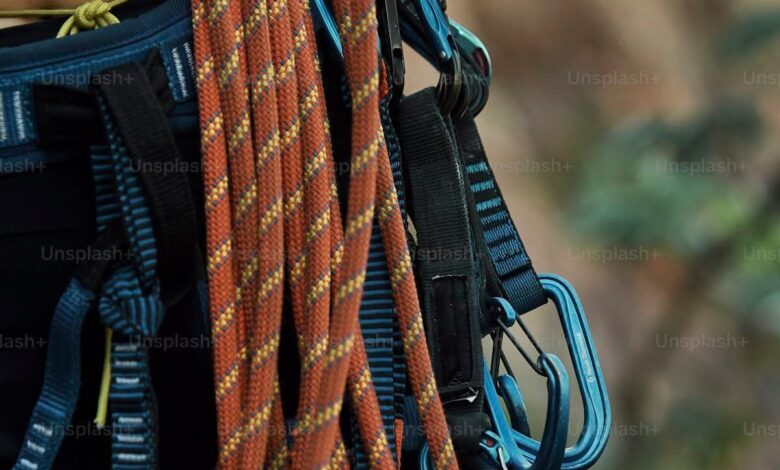
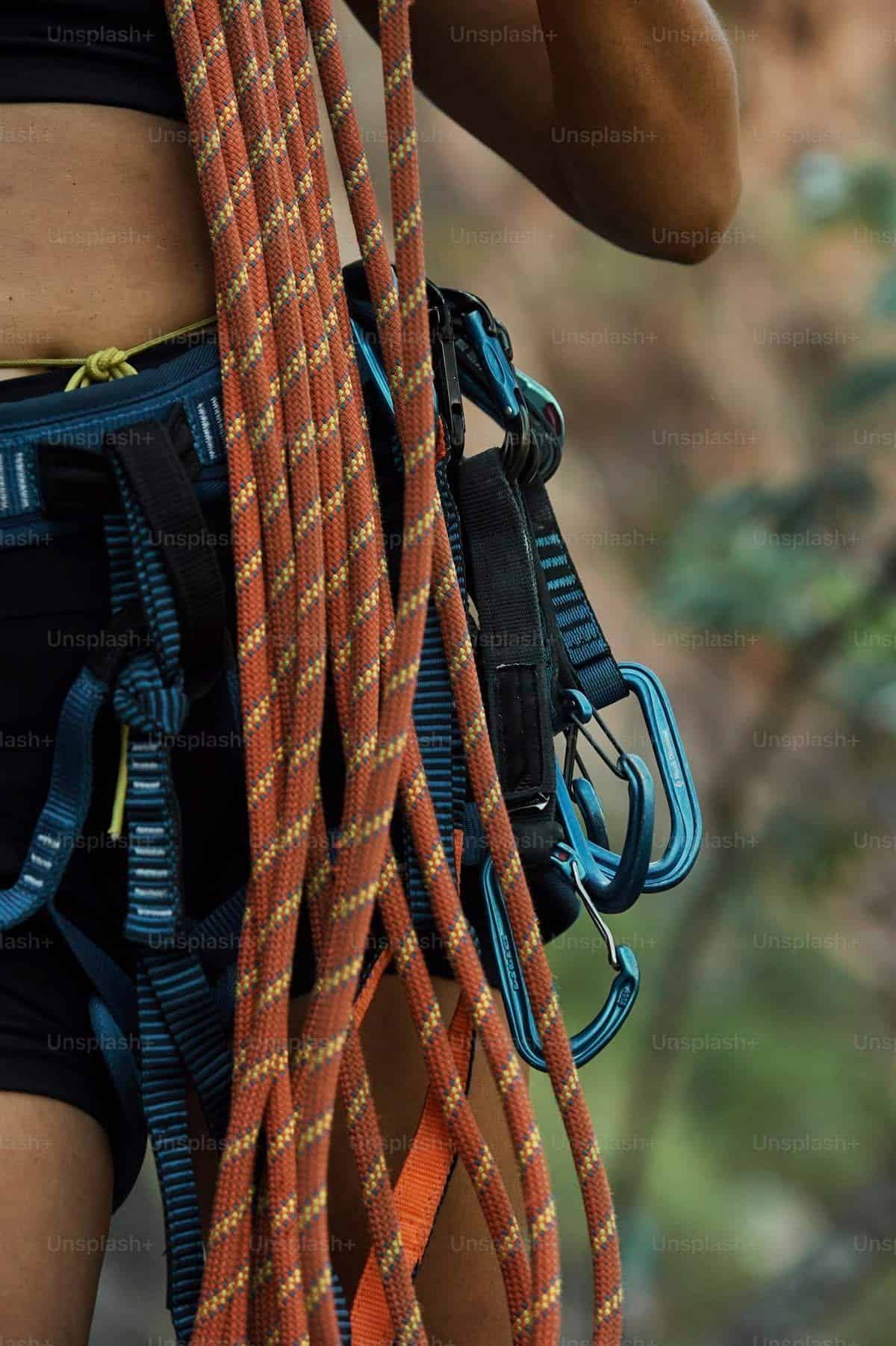
That is why guides must be trained to manage risk, to know what to avoid, how to brief participants, and what equipment to carry for both routine operations and emergencies.
Since I began training adventure guides in the 1990s, the field has changed enormously. Around the world, experience has accumulated across many activities, and regulation has become far stricter following tragic incidents in which people were seriously injured or killed.
Recklessness, combined with nature’s unpredictability, has claimed many victims. Human psychology and unstable outdoor conditions remain the two great variables, even as technology for adventure sports has advanced. Ironically, these innovations are often designed to enhance the excitement rather than guarantee safety.
Adventure has shifted from mild to wild, as operators push boundaries once considered unthinkable. Rapids that used to be classified as the upper limit for tourism have been surpassed. In rafting, Class 3 water has given way to Class 4 and even Class 5 for those willing to pay for the extra risk.
I see this appetite for extremity as part of modern social psychology, fuelled by media culture, youth identity and marketing. It raises the risk profile while expanding the range of what can be offered.
When I began my own journey in the 1960s, nobody went ziplining for fun. Today, people think nothing of being strapped into a harness and shooting down a cable across a canyon, clipped to redundant safety lines and monitored by radios and CCTV.
Bungy jumping, once unthinkable, is now mainstream, with precise cord calculations, weigh-ins, back-up systems and jump masters who calmly manage queues of people eager to leap from bridges. On mountain bikes, purpose-built trails with berms, rock gardens and drop-offs invite riders to push themselves to the edge. Stand-up paddleboards, canyoning, via ferrata, kite surfing, coasteering, and guided wilderness runs have all joined the expanding catalogue of “experiences” that can be booked like airline seats.
Where does this leave us? We now face a mix of higher risk, more sophisticated technology, bolder activities, better-trained guides and, in many areas, improved emergency support, including helicopter rescues. A complete beginner can sign up to surf heavy beach break, trek to icy summits or paddle through powerful rivers, trusting entirely in the competence of guides and the reliability of equipment.
But the truth remains: it is never risk free. That is what makes it adventure, and why fear is not fiction. It is the companion that keeps us humble, alert and responsible.
As the sector expanded, the courts inevitably followed. Over the years there have been dozens of lawsuits worldwide alleging negligent guiding, inadequate equipment, poor supervision, lack of training, and reckless decision-making. Each case has left a lesson behind.
Operators learned that vague disclaimers are useless, that badly maintained ropes or rafts are indefensible, and that pushing clients into conditions beyond their skill level is not bravado, it is liability.
Governments and industry associations responded by codifying standards: ratios of guides to clients, minimum qualifications, safety briefings, equipment logs, incident reporting, and emergency action plans. The legal principle is blunt. If you profit from risk, you must manage it competently. Courts have become less tolerant of the shrugging defence that “adventure is dangerous, everyone knows that”.
Today, clients are expected to accept risk through informed consent. That phrase matters. It is not enough to sign a waiver. People must be told clearly, beforehand, what can go wrong, how they could get injured or even killed, what their responsibilities are, and what the operator can and cannot control.
A white-water briefing, for example, should explain foot entrapment, swimming posture, the risk of raft flips, hypothermia and the limits of rescue in fast water. A zipline operator should detail braking failures, collisions, and what happens in high winds or lightning. After hearing all this, people still queue up. The appetite for risk has not diminished. If anything, the clarity sometimes heightens the the thrill.
A useful way to understand the modern landscape is to distinguish between hard adventure and soft adventure.
Hard adventure
Hard adventure involves high levels of physical challenge, technical skill, and genuine exposure to danger. Mistakes may carry severe consequences.
Participants may need training, conditioning, and mental resilience. Examples include Class 4–5 rafting, technical rock climbing, alpine mountaineering, serious mountain biking descents, cave diving, high-altitude trekking, and big-wave surfing. These activities rely heavily on expert guiding, precise equipment, contingency planning and disciplined decision-making.
Soft adventure
Soft adventure still has uncertainty and excitement, but the risks are moderated, the environments are more controlled, and the consequences of error are usually less severe. These experiences are designed to be accessible to families, beginners and older travellers.
Examples include guided nature hikes, gentle flat-water paddling, introductory zipline circuits, wildlife safaris in regulated reserves, hot-air ballooning, and beginner-level cycling tours. Good operators build layers of safety into the experience so that the sense of adventure remains, while the real exposure to danger is reduced.
Yet the boundary shifts constantly. What once counted as hard becomes standard. New technologies promise security while inviting people to attempt more daring versions of the same activities.
GPS navigation, satellite phones, throw-bags, drysuits, avalanche beacons, drones and medical kits have transformed field practice, but they also tempt operators to venture deeper, higher and faster. Rescue helicopters stand ready, which paradoxically encourages some to take risks that would once have been unthinkable.
We find ourselves in a paradox. Society demands legal accountability, professional training and rigorous safety systems. At the same time, the market rewards novelty, intensity and the illusion of danger mastered. Adventure tourism has grown into a sophisticated industry precisely because it walks that narrow ridge between fear and control.
And so the message remains simple, and honest. Guides may be skilled, regulations may be strong, and technologies may be astonishing. But nothing removes risk entirely. Adventure only exists where uncertainty lives. The real task is not to eliminate fear, but to understand it, respect it, and manage it without losing the sense of discovery that drew us outdoors in the first place.
(@ This is an essay exploring adventure tourism today for discussion among professionals but also for the public to ponder.)
At Caxton, we employ humans to generate daily fresh news, not AI intervention. Happy reading!