
Electric cars: Motor body repair industry adapting rapidly to new technology
As with any collision repair, motorists should ensure they use an accredited repairer and engage with their insurer early in the process.
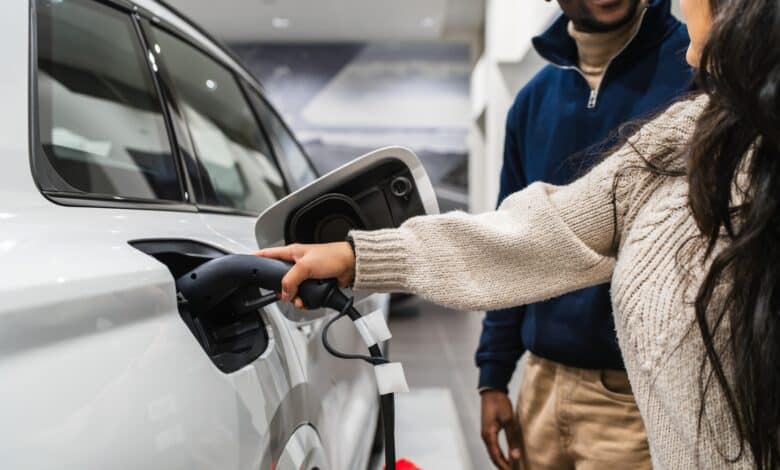
Electric vehicles (EVs) and plug-in hybrid electric vehicles (PHEVs) have become an increasingly familiar sight on South African roads. However, motorists are also discovering that repairing these highly sophisticated vehicles after an accident requires a different approach from conventional vehicles.
According to the South African Motor Body Repairers’ Association (SAMBRA), the country’s motor body repair industry is adapting rapidly to the new technology, but there are still practical challenges that can occasionally affect repair times.
Juan Hanekom, National Director of SAMBRA, says the biggest difference lies in the management of the vehicle’s high-voltage (HV) electrical system.
“Before certain collision repairs can begin, the high-voltage system may need to be safely isolated and, once repairs are complete, recommissioned by appropriately qualified technicians. These are essential safety procedures designed to protect both technicians and vehicle owners.”
Hanekom says South Africa currently has a limited number of HV-qualified technicians, particularly outside the major metropolitan areas.
“This is not unique to the collision repair industry. Electric vehicle ownership in South Africa is still relatively low compared with conventional vehicles, which means specialist high-voltage expertise is currently concentrated in a handful of regional centres. In some cases, this can result in additional logistics or longer repair timelines.”
He stresses that this should not be interpreted as a failure of the repair industry.
“The collision repair sector is investing significantly in EV readiness. Through specialist training programmes, more repairers are developing the skills and safety protocols needed to work on electrified vehicles. As the number of EVs on our roads grows, so too will the availability of qualified technicians and specialist repair facilities.”
SAMBRA advises motorists that repair costs associated with high-voltage systems are generally assessed as part of the overall repair methodology, although processes may differ between insurers and individual repair programmes.
“As with any collision repair, motorists should ensure they use an accredited repairer and engage with their insurer early in the process to understand the repair pathway and any specialist requirements,” says Hanekom.
Hanekom believes the future of EV collision repair will depend on strong collaboration across the automotive sector.
“Repairers have a responsibility to invest in training, equipment and safe working practices, while vehicle manufacturers must continue expanding technical support, training and access to vehicle-specific repair information. Insurers also play an important role in ensuring appropriate repair procedures are recognised during the assessment process.”
Hanekom notes that the industry has successfully navigated major technological advances before, from advanced driver assistance systems (ADAS) and increasingly sophisticated electronics to new lightweight construction materials.
“Electric vehicles are simply the next step in the evolution of vehicle repair. The industry is adapting, and consumers can be confident that the necessary skills, standards and technical capability will continue to grow alongside EV adoption in South Africa,” he concludes.