A day in the life of a bird ringer
Ringers are certified by SAFRING after a training process and passing various evaluations.
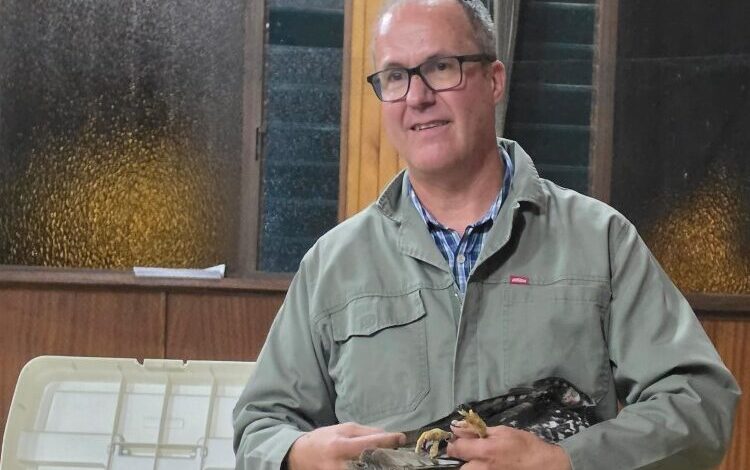
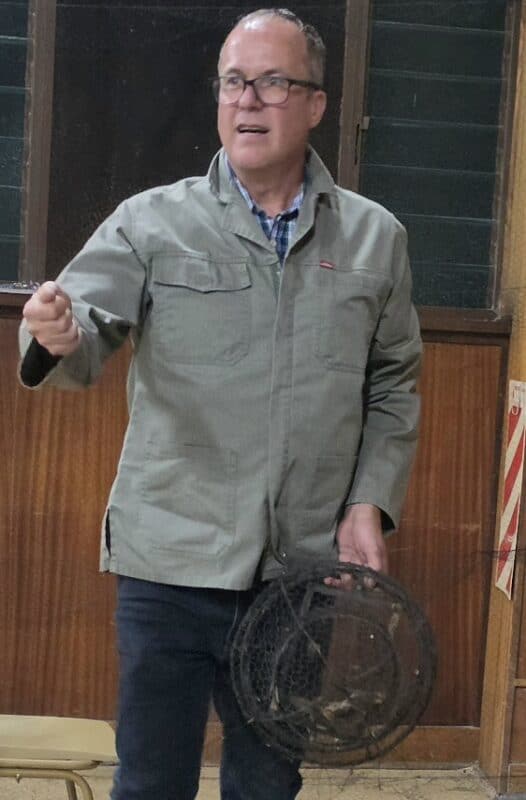
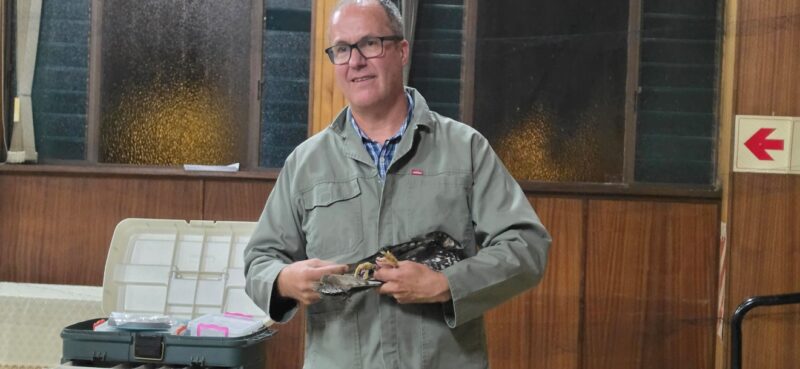
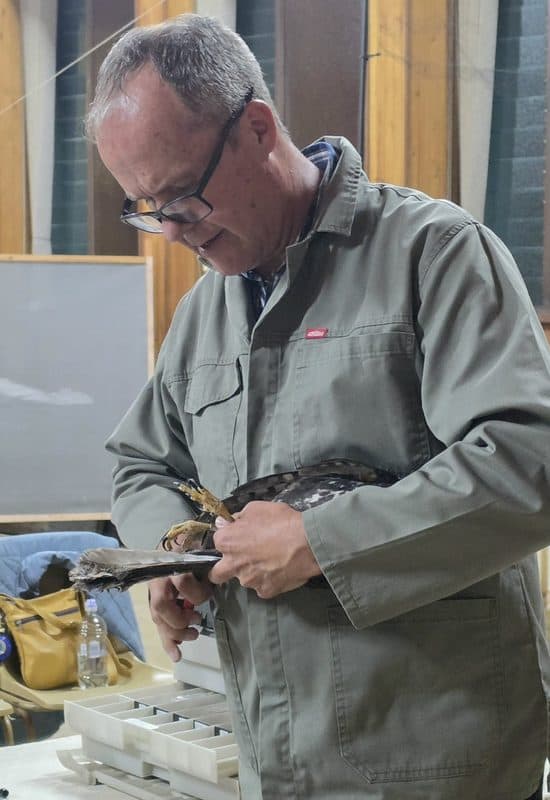
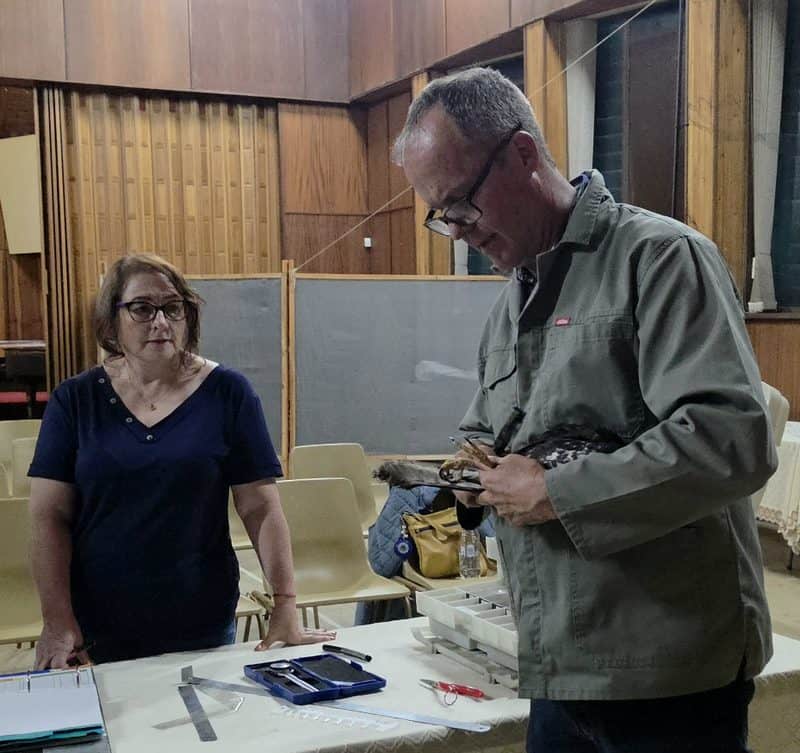
Members of the local Feathers Bird Club got a bird’s eye view of a day in the life of a bird ringer, when registered SAFRING bird ringer, Pieter du Plessis shared his experiences during the club’s social gathering on October 29. Du Plessis also gave a live bird-ringing demonstration in collaboration with Parys WADER.
55-Year old Du Plessis started watching birds at the young age of 6. He was exosed to bird ringing 25 years ago.
Bird ringing is to attach an uniquely numbered ring on the leg of a wild caught bird. The purpose is to collect certain data from the bird. After ringing the bird gets released back to the wild.
In South Africa and further into Africa, bird ringing is controlled by SAFRING, ensuring that the welbeing of the bird allways comes first.
Ringers are certified by SAFRING after a training process and passing various evaluations.
A ringer needs a permit from the governing authority to ring birds in that province or country, Du Plessis further explained.
How do they catch birds?
The go to method used world wide is various size mist nets, which requires a bit of skill to set up. Kestrel and Bal-chatri traps can also be used.
The reason for nets being used is that they are not easily observed.
Moult
Du Plessis also demonstrated how moult is indicative of the bird’s environment, and ageing.
Morthometrics
The bird’s mass is a very important indicator of health, Du Plessis said. Morphometrics is also used to determine population dynamics, to determine sex and the effect of climate change.
Movement and Longevity
Understanding movement patterns is vital to conservation efforts.
Ringing of the Black Sparrowhawk
The Black Sparrowhawk arrived at Parys WADER on September 22. A local farmer’s wife found him on the lawn in their garden that morning. When she approached him, he ran into their shed, where they were able to capture it.
They transported the bird directly to Parys Animal Hospital where Dr Brigitta Wessels examined him. She found what seemed to be an old fracture on his right wing, and the bird was very underweight, but he had no visible new injuries.
Dr Wessels transferred the bird to Parys WADER’s care. Because the Black Sparrowhawk is a specialist hunter that eats other birds up to the size of a Guinea Fowl, we immediately transferred him to our falconer, Parys WADER’s Marisa Louw told Parys Gazette.
“Our falconer reported that, although the bird’s wing still droops slightly, he seems to fly well. He gained weight into his normal weight range.
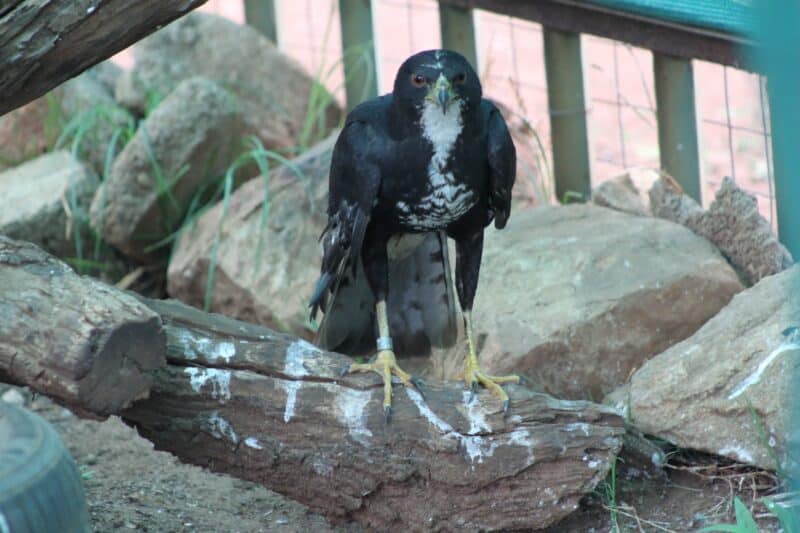
He was ringed on October 29 and was released this week in the Rooidam area.
If you want to see what happens behind the scenes at a wildlife rehabilitation facility join Parys WADER’s visitor experience on the second Sunday of each month. Bookings are essential. For more information go to wader.parys.co.za. If you are interested in becoming a bird ringer, contact Marisa Louw on 064 963 5386. Take note that bird ringing is a hobby and not a paid job.