Vaal River: Surviving, but not thriving
The need for citizen scientists has never been more important than now to keep authorities accountable
Water quality of the Vaal River has been severely affected over the past years by pollution, mainly sewage, raising concern, especially after large-scale fish kills in the Vaal River eight years ago. Although various factors affect water quality, it is evident that living organisms
in the Vaal River are surviving, although not thriving. Yet we do not know where the turning point is.
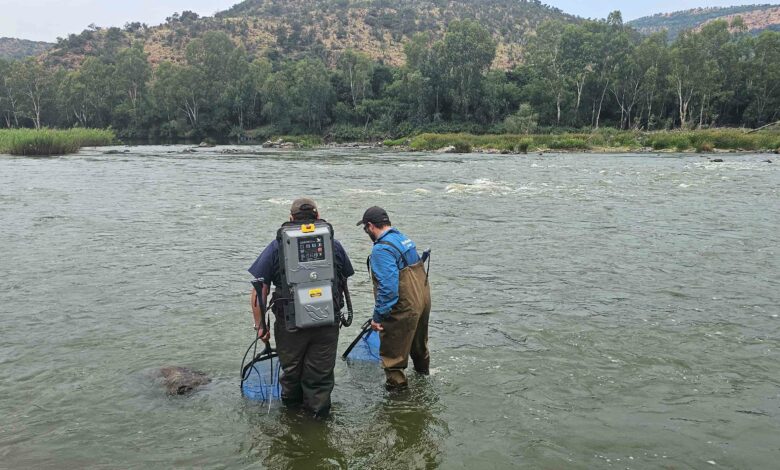
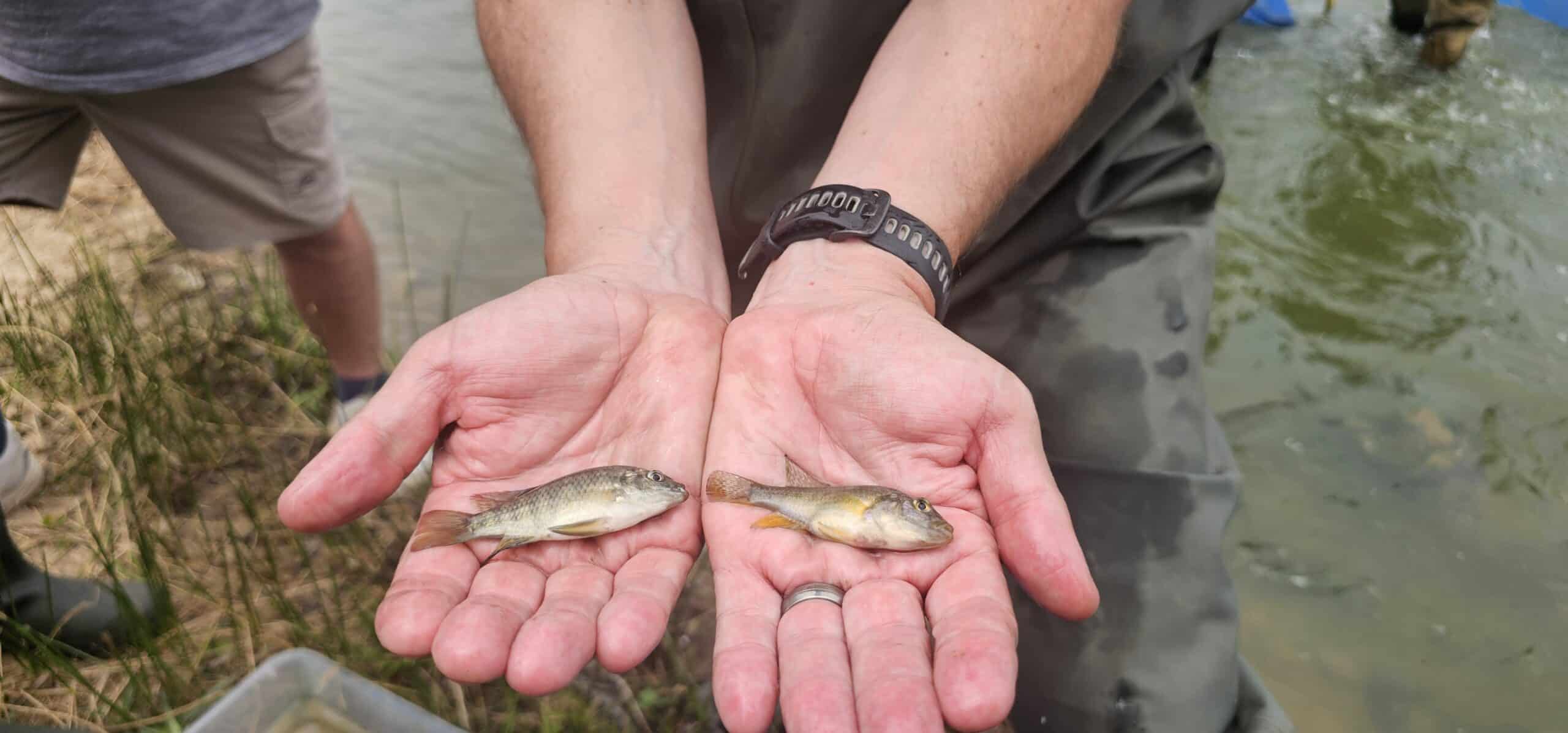
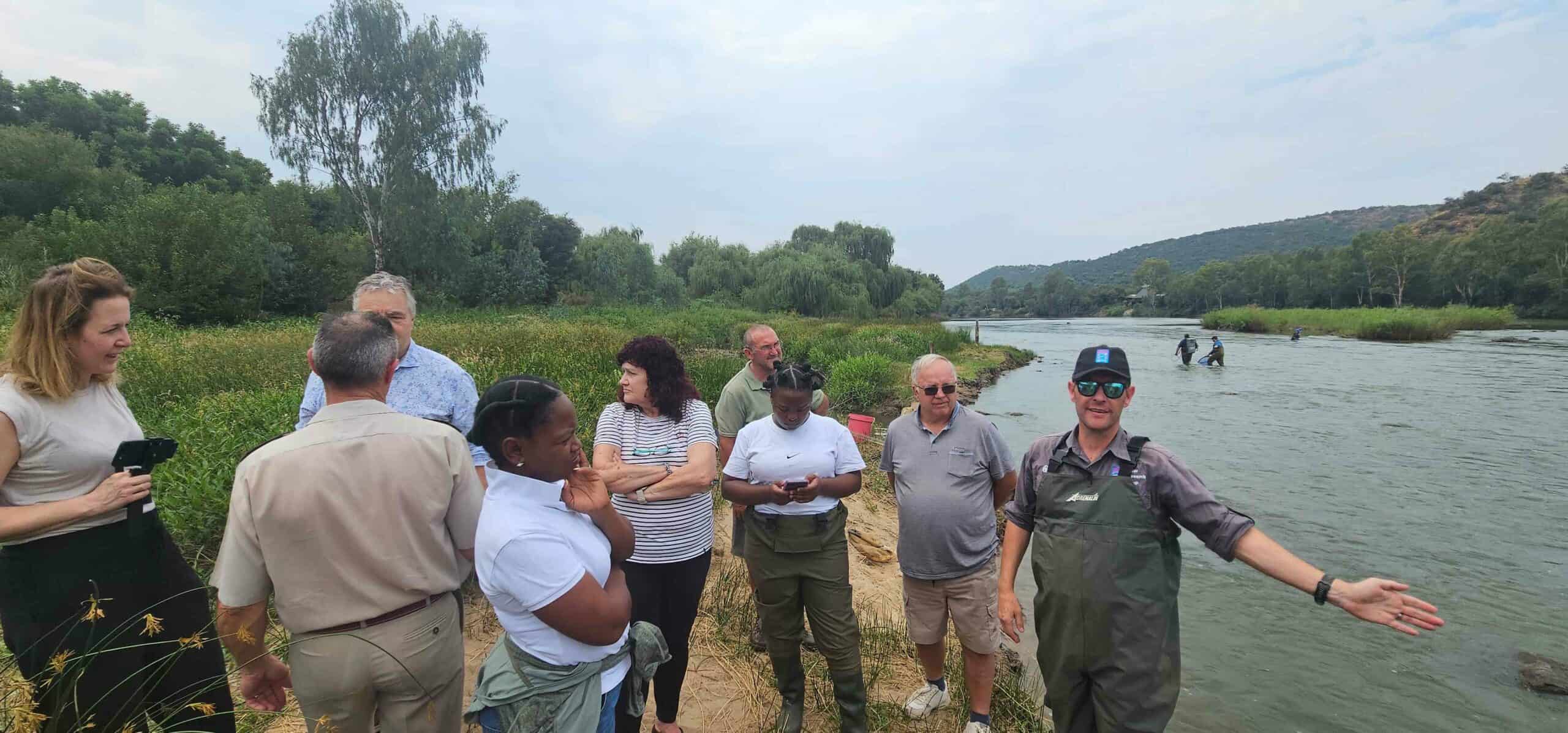
In this regard, the need for citizen scientists has never been more important than now to keep authorities accountable. This was explained with a practical macro invertebrate testing in the Vaal River at Thabela Thabeng, led by Professor Wynand Malherbe from the Water Research Group and the Unit for Environment and Water Management at the North-West University’s Potchefstroom Campus, on February 21. Malherbe was accompanied by two of his master’s degree students.
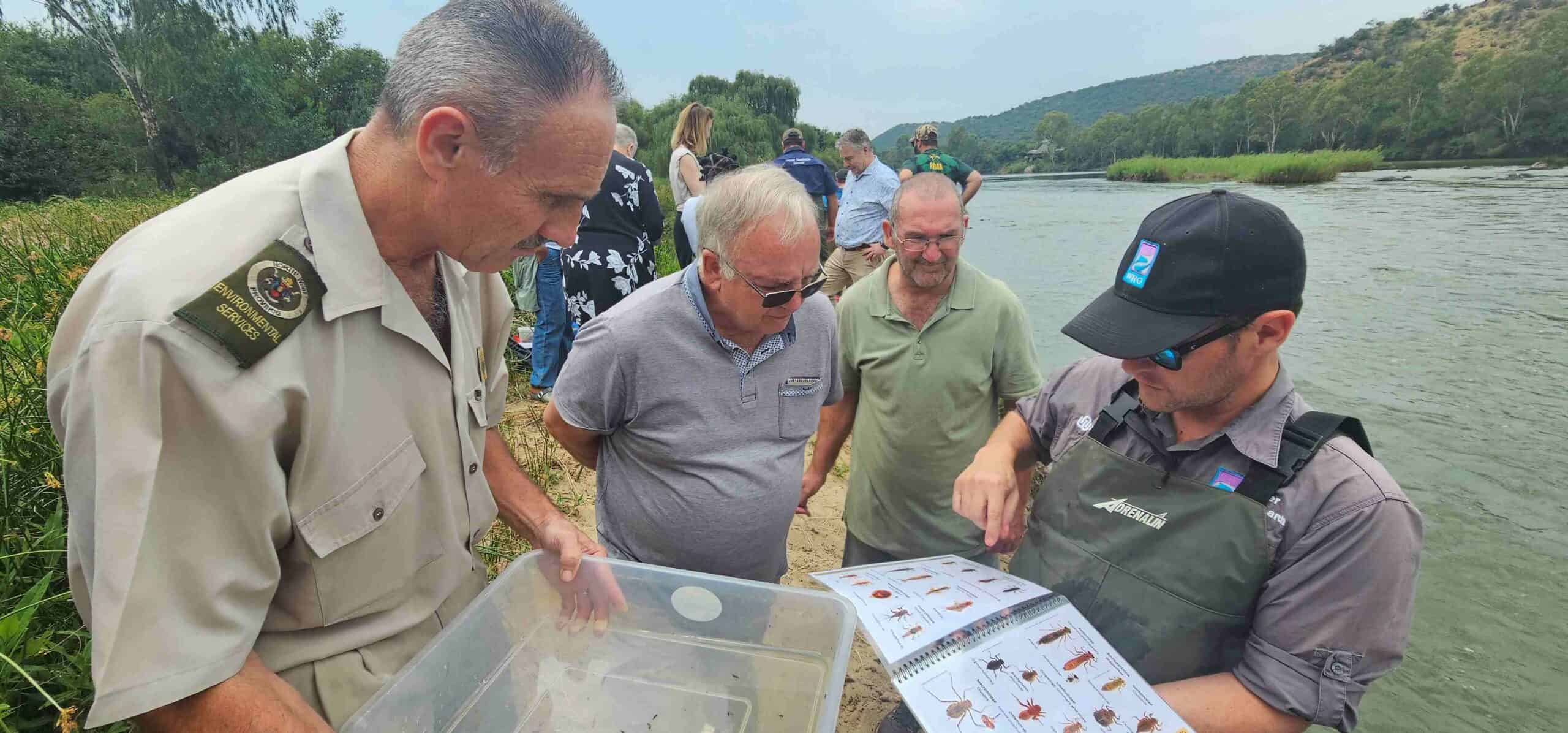
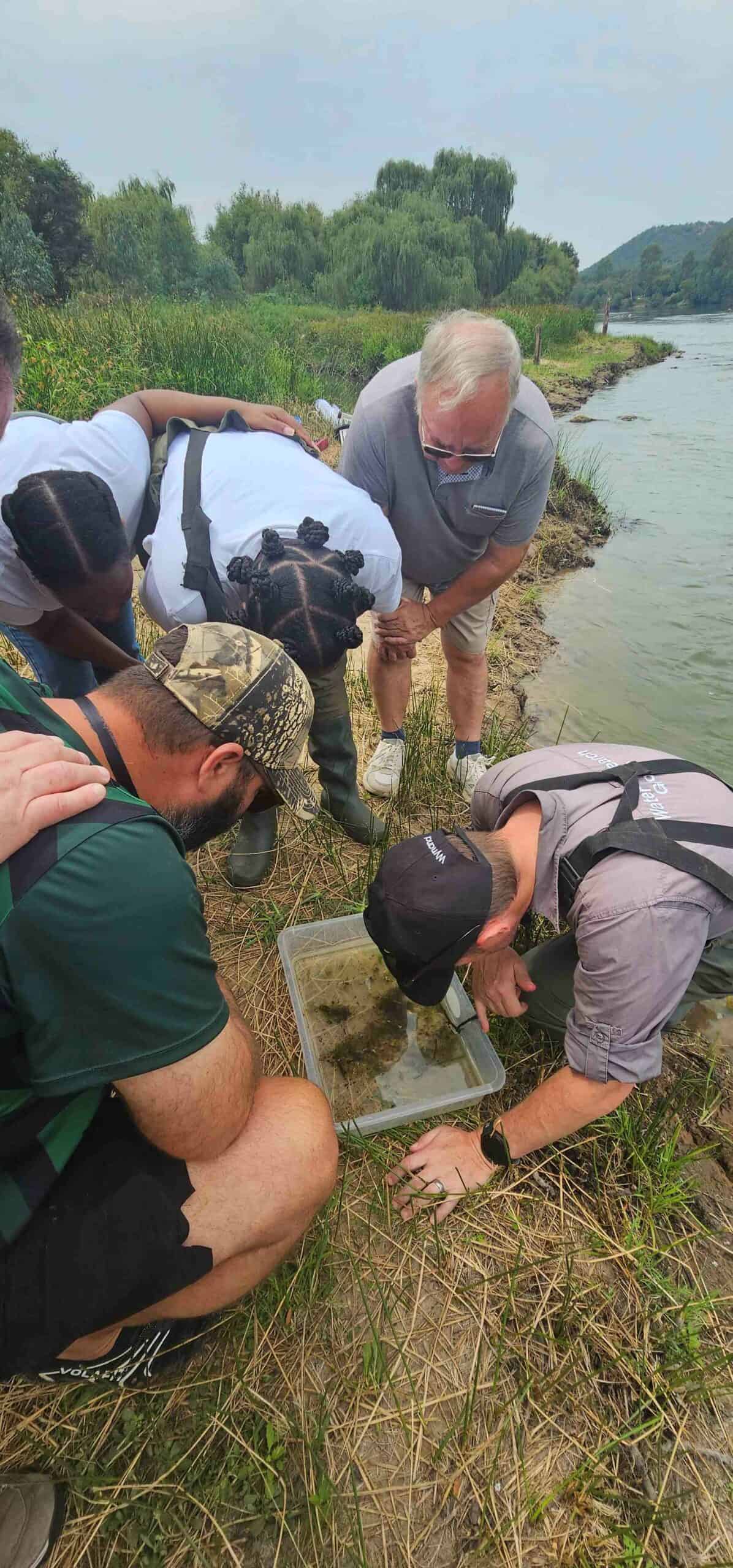
The practical exercise was preceded by feedback on progress with the Blue Deal project for the Vredefort Dome, and a presentation on water quality by the Department of Water Affairs and Sanitation,, made possible by the Vredefort Dome Conservancy for its members.
The Vaal River traverses through the Vredefort Dome and forms an important part of the habitat and ecosystem of this unique and historical World Heritage Site.
The Blue Deal Project, with its 17 partnerships in 15 countries, was launched in South Africa in 2020 to improve water quality.The Vredefort Dome/Parys area’s project is one of four in SA, giving the area the benefit of the partnership between the Dutch Water Authorities and
SA Water Institutions.
Objectives of the project are based on the National Water and Sanitation Master plan, aiming for an overall impact of allowing 2.5 million
people to have better access to clean and sufficient water by 2030.
Currently, the project is at the end of the second phase, with the final phase starting in 2027.
The three main activities of the Blue Deal project focus on data management, stakeholder engagement, and wastewater management.
For the Vredefort Dome/Parys area, this includes optimising the Parys Waste Water Treatment Plant.
The Dutch Water Authorities, for the project, mainly focused on knowledge and experience exchange, as sharing information with the community and communicating with them is central to the project’s success, Eric Kuindersma explained.
That said, it is essential to couple community engagement with education to empower communities to make a lasting contribution to the well-being of our rivers and streams, he added.
Apart from the Vredefort Dome, Blue Deal Projects in SA were launched at the Crocodile River, Blesbokspruit, the Msunduzi-Umgeni River, and in the Theewaterskloof.
Gustav Engelbrecht then explained the significance of the Citizen Science Monitoring Programme in the Vredefort Dome and how it can successfully assist in monitoring water quality of the Vaal in the Vredefort Dome area.
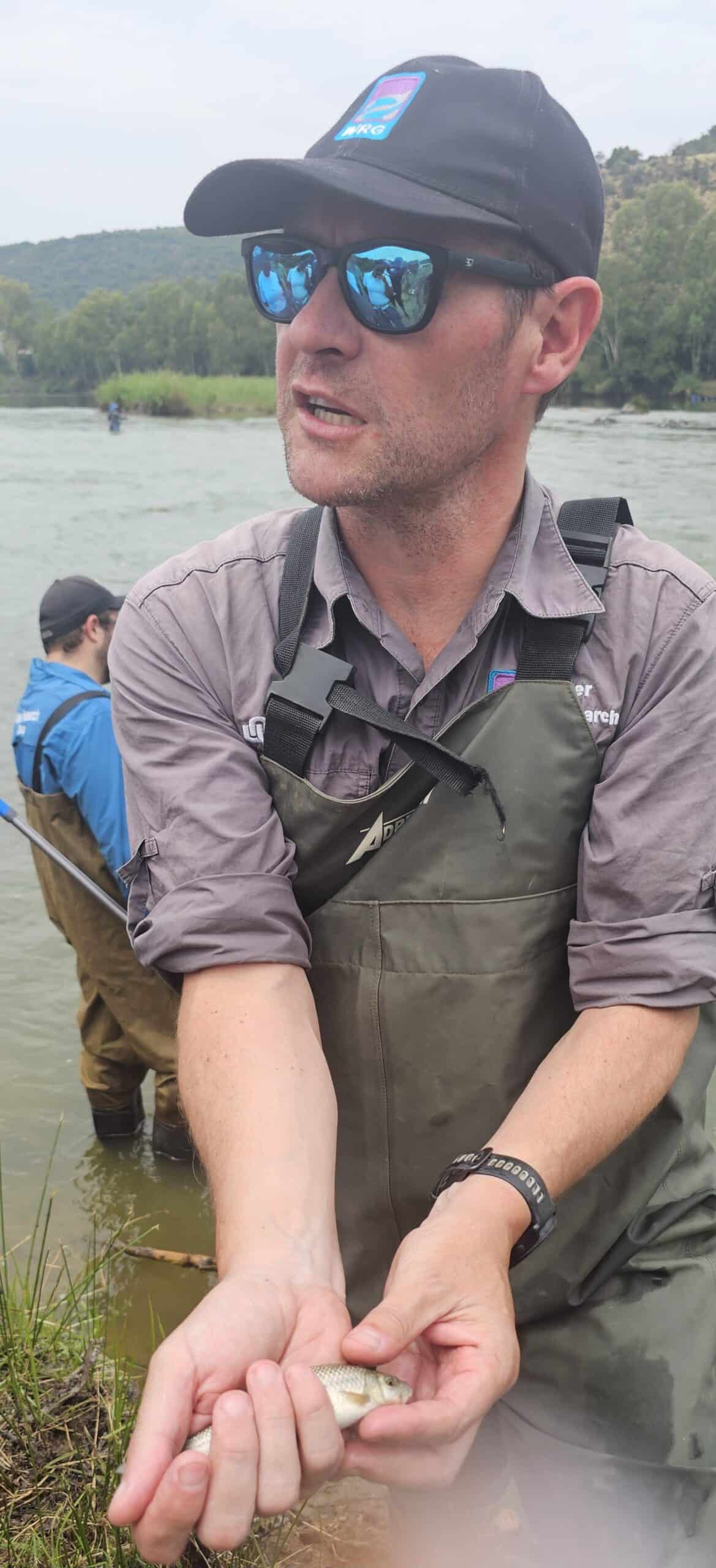
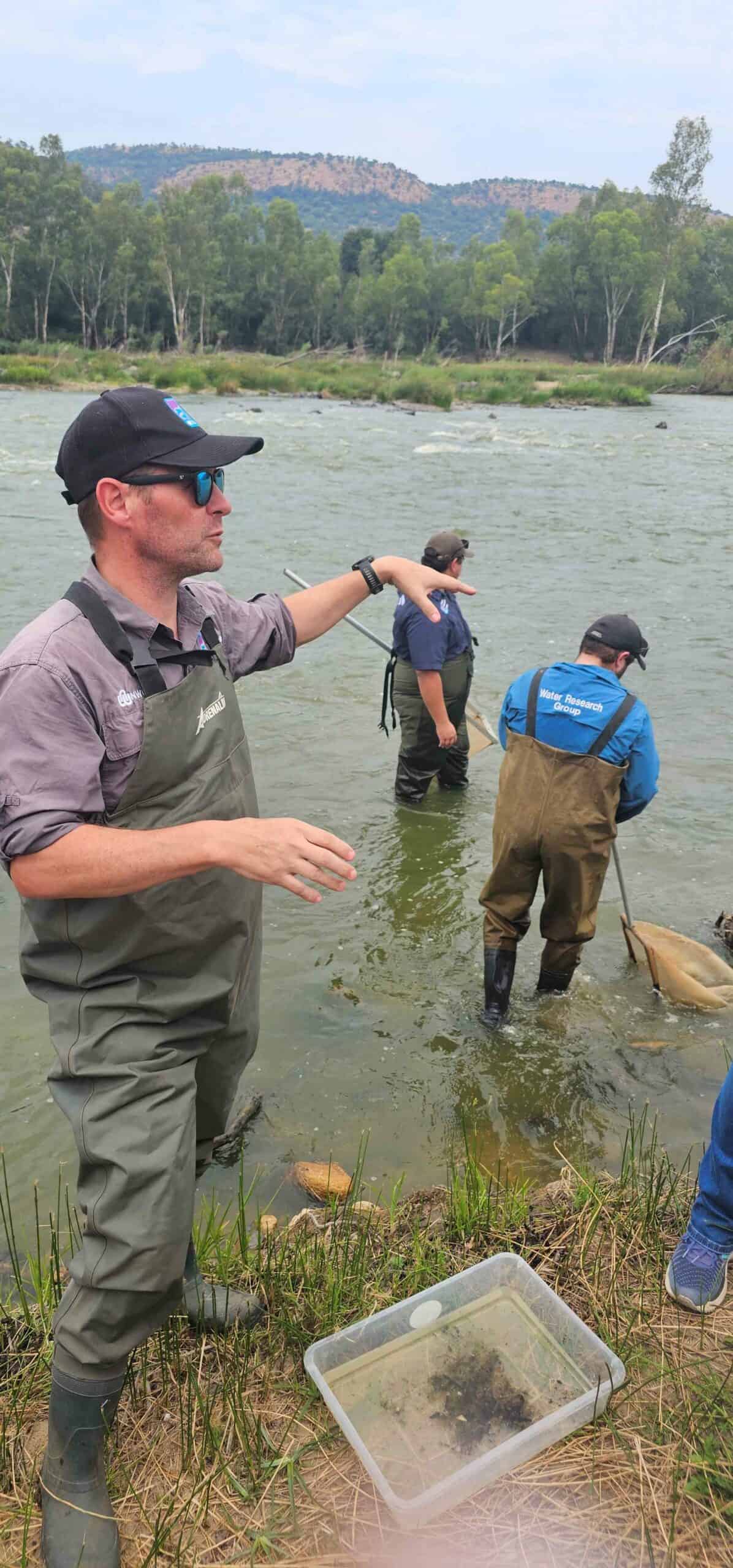
The programme was implemented in the Dome during 2025, and still needs more sampling areas and participants.
Orgininally sampling for nitrates, ammonium, and phosphates was done weekly, but has since been agreed on bi-weekly sampling. All data collected is submitted on the Deltares Aquality App, monitored and managed by the Department of Water Affairs and Sanitation.
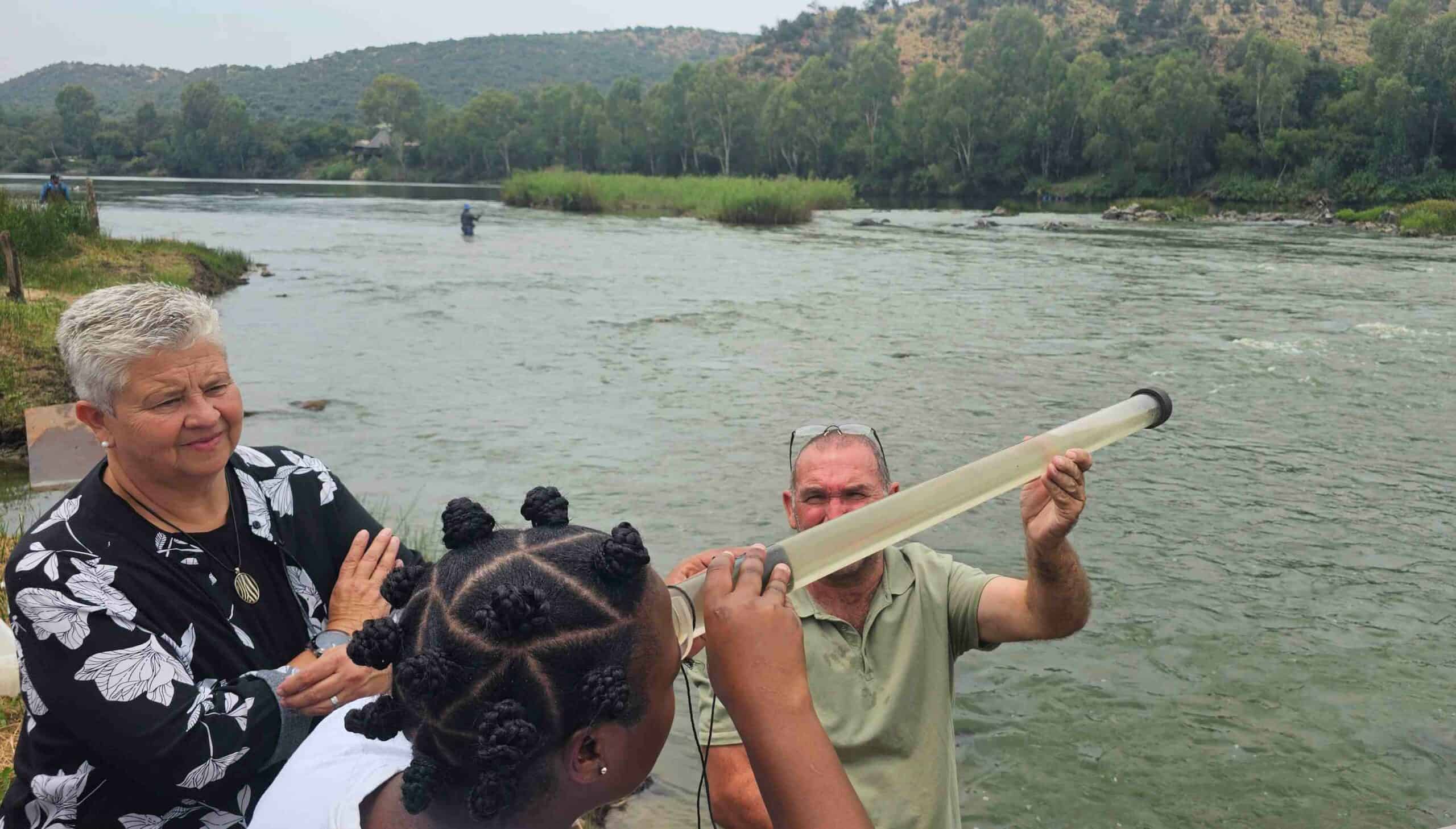
The programme resulted in community involvement in conservation and assists in management decisions on threats, where non-compliance is evident from the data captured with regular sampling. This was also underlined in the feedback of Ms Jeanette Nyama, Control Environment Officer for the Department of Water Affairs and Sanitation, in her presentation, giving feedback on the role of the Department of Water Affairs and Sanitation.