
Flooded roads can leave motorists with massive repair bills warns MIWA
Just 30 centimetres of moving water can affect vehicle stability and stronger currents can easily sweep a vehicle away.
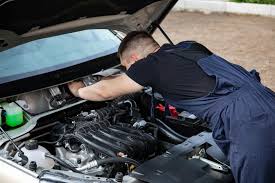
Following the recent torrential rain and localised flooding experienced across many parts of South Africa, the Motor Industry Workshop Association (MIWA), is urging motorists to exercise extreme caution when driving in wet weather conditions.
According to Dewald Ranft, one of the biggest mistakes motorists make is underestimating the damage flood water can cause to a vehicle.
“Driving through deep or moving water may seem manageable at the time, but the hidden damage can be extensive and incredibly costly. In some cases, a flooded vehicle may become unsafe to drive altogether,” says Ranft.
One of the most serious risks is engine hydrolock, which occurs when water enters the engine’s air intake system. Unlike air, water cannot be compressed and this can result in catastrophic engine failure within seconds.
Modern vehicles are also heavily reliant on sensitive electronics and control units. Even if a vehicle appears to be functioning normally after water exposure, problems can emerge days or even weeks later.
Damage to your car
“Electronic failures after flood exposure are common. Water can damage wiring, sensors, ECUs and critical safety systems such as airbags and ABS braking systems. Corrosion may continue developing long after the initial incident,” explains Ranft.
Flood water can also contaminate wheel bearings, differentials, gearboxes and transmission systems, while soaked interiors may develop mould, unpleasant odours and hidden rust.
Worth noting is that even brakes can become significantly less effective after driving through deep water.
“Many motorists do not realise that once braking systems are saturated, stopping distances can increase dramatically. This creates a major safety risk, particularly during ongoing wet weather,” says Ranft.
Ranft says motorists should never attempt to drive through moving water, even if the depth appears manageable.
“Just 30 centimetres of moving water can affect vehicle stability and stronger currents can easily sweep a vehicle away. If the water level reaches the bottom of the doors, it is advisable to turn around and find an alternative route.”
Practical advice to motorists caught in flood conditions:
• Never drive through moving water
• Avoid standing water where the depth cannot be judged accurately
• If the water reaches the bottom of the doors, reconsider proceeding
• If the vehicle stalls in water, do not attempt to restart it
• If safe to do so, disconnect the battery
• Arrange for the vehicle to be professionally inspected as soon as possible
Ranft also warns that insurance claims may become complicated if motorists knowingly drive into flooded roads despite visible warnings or barriers.
“The safest decision is always to avoid flooded roads altogether. A short delay or detour is far preferable to facing a repair bill running into tens or even hundreds of thousands of rand,” concludes Ranft.