From Colds to Insect Repellent: The many uses of Wilde-als found at Parys Wetland Park
Beyond its medicinal value, Artemisia afra is an attractive and hardy indigenous garden plant.
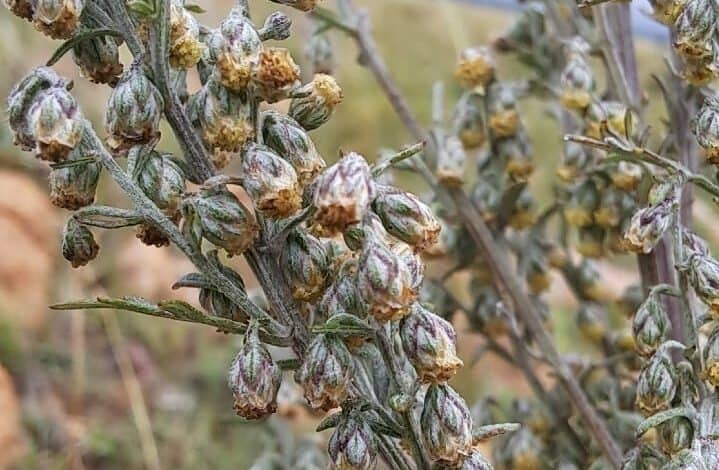
The Parys Wetland Park revealed yet another wonderful native species lurking in the grass!
Artemisia afra, commonly known as wilde-als, is one of South Africa’s oldest and most widely recognised medicinal plants. It has been used for generations and remains an important traditional remedy among people from many different cultural backgrounds.
Traditionally, it has been used to treat a wide variety of ailments, including coughs, colds, fever, loss of appetite, colic, headaches, earaches, intestinal worms, and even malaria. The plant is remarkably versatile, with its leaves, stems, and roots all used in different preparations. Remedies may be taken as teas, infusions, enemas, poultices, body washes, lotions, or by smoking or snuffing the dried plant material.
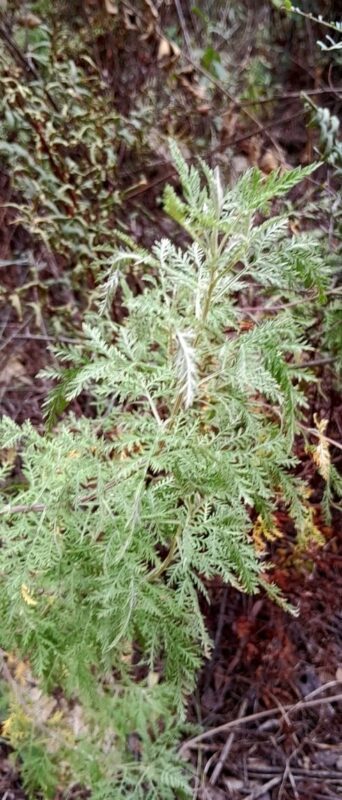
One of the best-known traditional practices involves placing fresh leaves in the nostrils to relieve nasal congestion (Van Wyk et al., 1997). A lesser-known remedy is placing fresh leaves inside socks to help reduce sweaty feet (Watt & Breyer-Brandwijk, 1962). Because A. afra has a distinctly bitter taste, preparations are often sweetened with honey or sugar before drinking. Wilde-als brandy also remains a popular traditional remedy that is still produced and sold today.
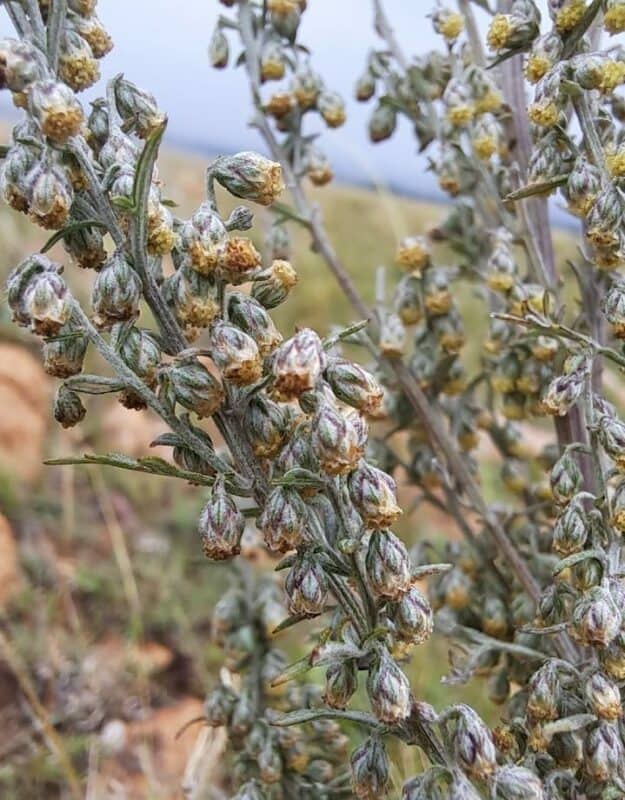
In her book Indigenous Healing Plants (1990), Margaret Roberts describes several additional uses for Artemisia afra, including its role as a natural insecticide and an effective moth repellent. She also highlights its pain-relieving and calming properties, suggesting that it may offer valuable benefits in helping people cope with the stresses of modern life.
Beyond its medicinal value, Artemisia afra is an attractive and hardy indigenous garden plant. Although traditionally grown in herb gardens, its fine, silvery-grey foliage also makes it an excellent ornamental species, adding texture and colour to mixed plantings.
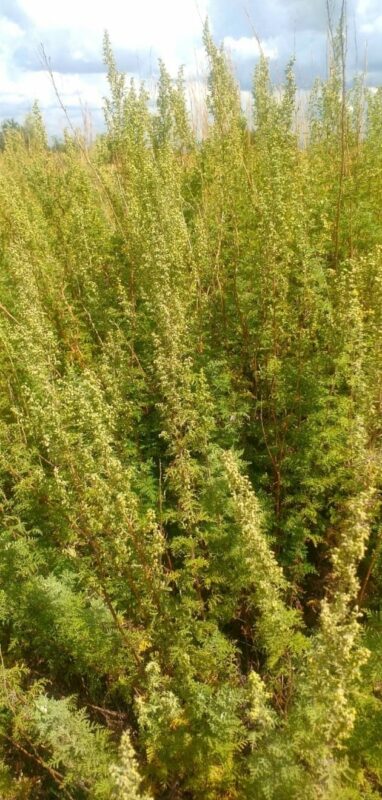
At Kirstenbosch National Botanical Garden, it is often combined with summer- and autumn-flowering indigenous perennials such as Hemizygia obermeyerae, Orthosiphon labiatus, Leonotis leonurus, and Syncolostemon densiflorus, creating striking displays of contrasting foliage and flower colours throughout the growing season.
This resilient species thrives in full sun and benefits from hard pruning during winter, which encourages vigorous new growth in spring. It grows actively during the warmer months and tolerates cold winter temperatures well once established.
Fast-growing and drought-tolerant, mature plants gradually spread to form dense clumps. Propagation is straightforward, either by dividing established plants, rooting stem cuttings during spring and summer, or sowing seed in spring or early summer.