
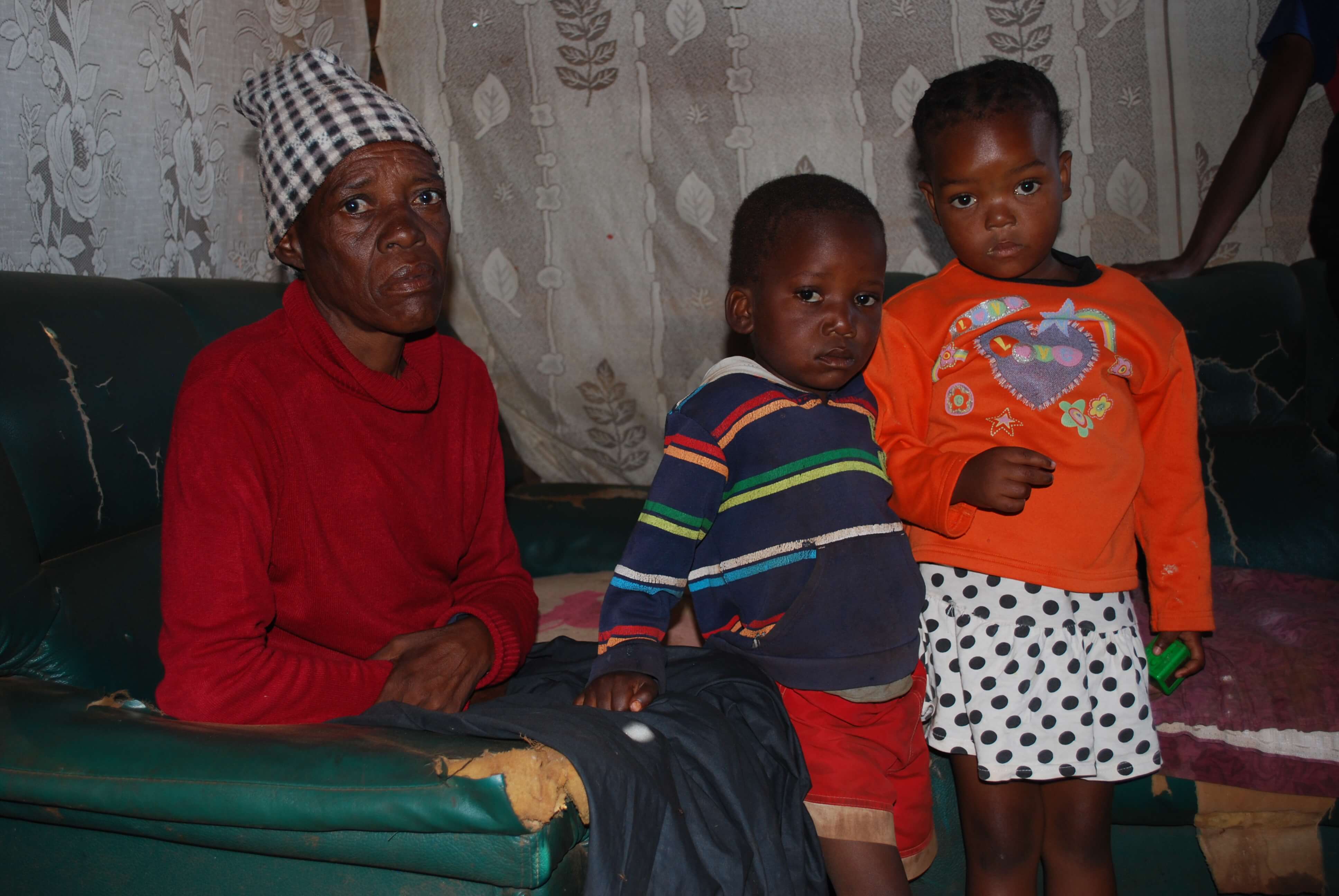
Some residents of Ward 4 feel the municipality has forgotten about them since they were moved from the informal settlements to stands along the N12 while upgrades are being done at the informal settlements.
‘A security company that the municipality contracted instructed us to move, even though it was raining heavily. The safety officer told us to dismantle our shacks and pack our furniture on the municipal trucks. If we didn’t, we would face legal action,’ said one resident.
‘It is inhumane to move people from one squatter camp just to form another camp where they are dumped without proper services,’ the DA said in a statement.

The community was allegedly dumped at the new settlement where they had to survive for four days without water and toilets. It was only when they approached the municipality that they received water in a 1 000-litre tank and temporary toilets. To make matters worse, the water that was delivered was allegedly not properly purified and had made people sick. The ward 4 councillor, Johan Zerwick, has been routinely bringing clean water for the people to drink.

In addition, up to four families share one stand and the shacks have virtually been built on top of each other.
Without the paraffin that they should have received, people have been forced to cook on wood fires. This, according to the DA, is a deadly combination and a serious fire hazard.
‘The elections have passed; they should stop playing with us. You cannot take people from squatter camps and dump them in worse conditions,’ said a frustrated resident.

There have also been allegations that people whose names were not on the list have been given stands. People claim that there are residents who have photocopied lease agreements, while those with original lease agreements are still waiting to be moved.
According to the DA, confusion has also arisen as some residents have letters from a councillor and others have letters from the human settlement division. ‘Who is the authority that gives people stands in this municipality?’ the party asked in a statement.
The frustrated community feels their plight is being ignored and that, if it comes to it, they will organise a march to the municipality to get answers to their questions.
Municipality will investigate conditions of removal
Tlokwe municipality responds:
The municipality is currently in the process of providing critical underground infrastructure for water and sewer reticulation to deliver basic services to the needy informal settlements of Ikageng’s extensions 6 and 11.
In order to complete this work, a few shacks had to be moved to make way for construction. The relevant ward councillor and the contractor consulted with the affected families before they were moved. Water and toilets have been provided where the people have been provisionally resettled. This is a temporary measure and these families will be returned to their homes once the construction has been completed.
As for the allocation of stands, this is strictly an administrative function driven through transparent instruments such as the housing waiting list and the related policies and procedures. Any letters issued by any councillor relating to the allocation of stands is a deviation from policies and council views this in a serious light.
We appeal to anyone who may have such a letter to inform the MMC of housing, development and planning and the executive mayor.
• The ward councillor concerned was mandated to explain the detail of the project as well as how it was to unfold. If this was not done, we regret it deeply and will seek clarity from all those involved.
• If there are people who were mistreated during their resettlement, we ask them to come into the housing department so the cases can be followed up.
• The water that is supplied to the people is the water that we ordinarily drink from our taps. The containers that are being used are the same ones that we ordinarily use during council events and there has never been any such complaints. Nevertheless, we will send our people from the water quality section to go and do an inspection.
• In three or four months’ time, these people will be relocated to where they were.
It is important to note that council faced a choice of taking this unpopular measure or foregoing the municipal infrastructure grant allocated to install the underground infrastructure. The grant is allocated on a ‘use it or lose it’ basis. The shacks of all the people who have been relocated had been established on a municipal servitude and the inconvenience was, therefore, unavoidable.
Council regrets the measure but, all things considered, this will prove to have been the best that could be done under the circumstances.