
What is plant molecular biology? It is the study of the molecular basis of plant life and, in particular, the information encoded in the DNA of the plant genome.
Using molecular techniques, common in plant molecular biology, can be a valuable research tool that could be implemented in various other research fields. It could be used to genetically identify plants, identify micro-organisms associated with plants, and estimate the genetic variation in plants. It uses molecular markers in plant breeding to improve plants and plant transformation techniques to improve the quality and introduce resistance to pathogens or herbicides.
This NWU research uses plant molecular biology to solve various research problems and answer a range of scientific questions. In algal research, plant molecular biology is used to identify species of cyanobacteria that are notoriously difficult to distinguish. These cyanobacteria can form harmful algal blooms, like those in the Vaal River and various reservoirs across South Africa. Some of these species can produce harmful toxins that are released into the water when the cells die. They have to be removed during the purification process for drinking water. Plant molecular biology was used in a study at the Hartbeespoort Dam to identify toxic strains of these cyanobacteria. These studies included an investigation into environmental conditions associated with these harmful strains and their toxin production.
As in the case of algal research, molecular biology is also used to identify land plants and determine the molecular diversity of plant populations and families. Not only were these techniques used to distinguish between grass species that physically looked very similar, but also to shed light on biosafety considerations when releasing genetically modified plants in agriculture. It is crucial to consider the genetic relatedness between wild species and their domesticated family members when plants are genetically modified to resist certain herbicides, for example. If the resistant genes are transferred to wild species by cross-breeding, so-called superweeds could originate that would have huge cost implications for farmers.
Plant molecular biology can also be applied to study ecology and the environmental management of land, aquatic, and marine ecosystems.
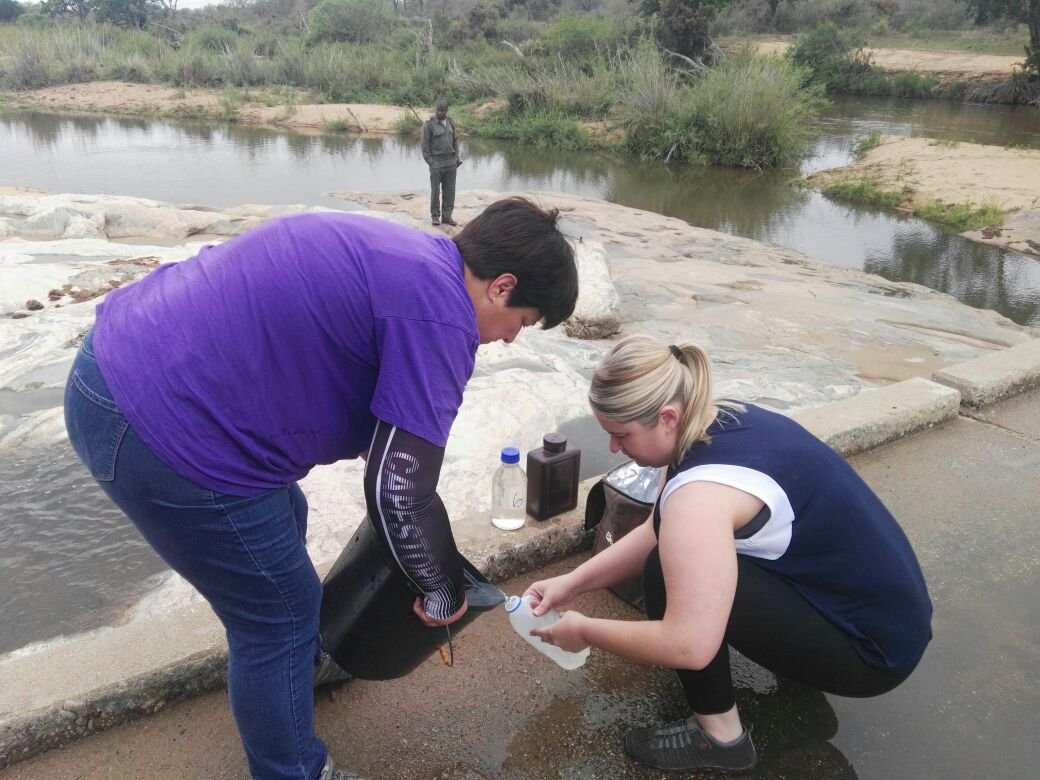
These research topics take molecular biologists, their laboratories, and computers into nature, be it in the bush, or on a river’s edge, or even diving onto coral reefs. Molecular biologists apply these techniques in assessing biodiversity and its conservation, identifying and studying species in specific biomes and studying species-species or species-region relationships. A similar study is currently running, where molecular techniques are used to determine the plants eaten by wild and domestic animals in conservation areas. This knowledge will play a key role in managing grazing areas and the animals that live there.
During such studies, vast amounts of data are generated that can only be analysed using computational techniques. So extensive was the expansion of this research field that a whole new area of specialisation has developed, namely bio-informatics. It involves using and developing computer software and statistical methods to sort, compare, and analyse DNA data.
People skilled in molecular biology or bio-informatics can find employment at various research institutes, analytical laboratories, or commercial companies specialising in DNA analyses.
For more information, contact Prof. Sandra Barnard at 018 2992508, sandra.barnard@nwu.ac.za, or https://natural-sciences.nwu.ac.za/botany.