Preparing for Matric exams is always going to be stressful and can create feelings of worry and being under pressure. It is especially normal to experience exam stress amid the Coronavirus (Covid-19) pandemic.
Some stress (eustress) can motivate you to work hard and is useful in helping you to focus and achieve your best, however.
Tips to reduce exam stress may include eating well-balanced foods, drinking water (not soft drinks), getting enough sleep (at least 8–9 hours per night). When you do not understand something, ask questions. Keep up to date with your homework, create a routine, make a revision timetable and adopt effective study habits.
Knowing how you learn or study best is the first step in developing effective study habits, as every student approaches the task of learning differently. Every student has a unique learning style through which learning comes more easily. There are three common preferences in preparing for exams and they are used to absorb information successfully before exams. The different learning styles are visual, auditory and kinesthetic.
1. Visual (by sight)
- Visualise what you are studying.
- Use colour in your notes (highlighters, etc.)
- Draw pictures and diagrams (use mind maps).
2. Auditory (by hearing)
- Read out loud.
- Talk over ideas with your classmates (use social media or other safe methods).
- Participate in discussions.
3.Kinesthetic (by doing)
- Stand up and move around while you are studying.
- Take frequent breaks.
- Make use of your hands and write things down as you study.
Tips on how to study a textbook
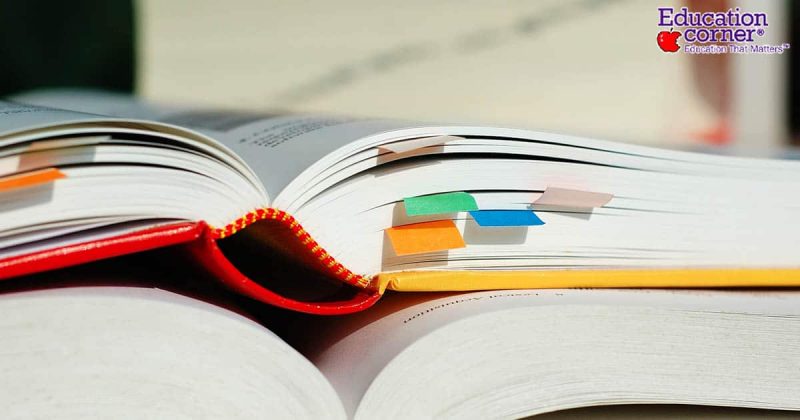
- Look at headings, sub-headings, topic sentences, bold-faced and italicised words, pictures, diagrams, graphs, summaries and review questions at the end.
- Ask yourself questions about the subheadings. Read a section of the chapter (one sub-heading at a time). Put the book down and ask yourself what you just read.
- Did you understand what it was about? Could you answer questions about it? Could you explain it to someone else?
- Read the side lines, the captions under photos, definitions, and any additional information.
- Mark your text – use different coloured highlighters for important parts, but don’t overdo it.
- Outline the chapter: When you have read the chapter through, go back and take notes. Define terms, draw diagrams and explain things in your own words.
- Draw arrows to direct you to important details. If a word appears that you do not know, look it up and write the definition. Underline key points.