How to really fire up your child’s creativity
Here are some great ways to help your child get creative when there’s been too much TV time. It’s important to know what creativity is in order to nurture and inspire it. Creativity is the use of imagination or original ideas to create something, or the tendency to generate or recognise ideas. Toddlers and young …

Here are some great ways to help your child get creative when there’s been too much TV time.
It’s important to know what creativity is in order to nurture and inspire it. Creativity is the use of imagination or original ideas to create something, or the tendency to generate or recognise ideas.
Toddlers and young children are innately and naturally creative. In fact, they are our greatest teachers!
By watching your child play with their favourite toy, they are already using their imagination through entertaining themselves in their world of fantasy play.
Einstein said that ‘Imagination is far more important than knowledge.’ The good news is that by inspiring your child’s innate imagination (which anyone and everyone can do) you are inspired and generate creativity.
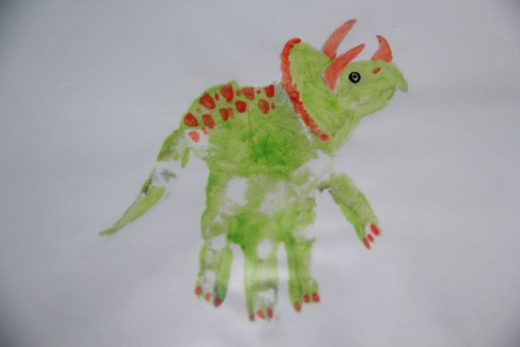
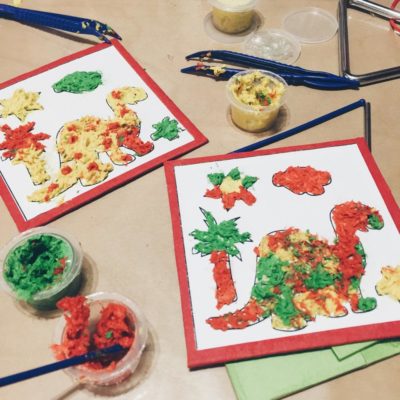
Inspiring and nurturing your child’s creativity is actually quite simple and can be a lot of fun for both of you. Look for items that are already in your home that could be inspirations for creativity.
For example, kitchen objects (baking cups and spoons), pasta shapes, grains, nature, recycled materials, a box of old clothes for playing dress-up, etc.
Creativity should include both the importance of planned and structured craft projects, spontaneous art explorations and also some free time where there is no structure or planning where your child can just putter around and explore.

Here are some ideas to nurture your child’s creativity and tips for raising creative children. Following this, there will be tonnes of fun and simple creative activities appropriate for your child’s age.
* Create an art area in your home where your child can be creative.
* Encourage them to try new ways of doing things.
* Don’t expect their art to turn out the same way as yours/other children’s.
* Avoid managing or controlling the way your child does something. Showing a child how to use e.g. scissors is very different from controlling the outcome of a perfectly cut out shape.
* Inspire imagination – ask your child, ‘I wonder what would happen if…’
* Imagine different endings. When reading a book to your child, ask them what do you think could happen here or what would you like to happen?
* Validate and enjoy your child’s creativity by displaying their artwork.
* No judgement on anything that your child creates. There is no good or bad, right or wrong way to do it – only that each child is different and gets to express themselves accordingly.
* Be aware of rules that you may have about how things should be done, (e.g. mess/no mess Z that can be a tricky one for many parents).
* Give your child choices when possible. For example, what colours of clothes they would like to wear, items or colours for the room they would like to pick, or foods to cook when appropriate, and their choice of a birthday party they would like to have.
This is essential for self-validation.
Note – children who watch television or play on computers or cell phones (screens) are being entertained by someone else instead of spending their time in imaginative and creative play.
I strongly encourage limiting screen time to one to two hours per day, otherwise, the child may find it difficult to engage in creative play and become ratty, irritable and lazy.
Source: Mysmartkid, which is South Africa’s leading programme for Early Childhood Development (ECD). Look for them on Facebook!