Mohlakeng hostel residents expose hostel crisis
Residents of the Mohlakeng Hostel have lifted the lid on dire living conditions, citing overcrowding, water disruptions, and the continued use of pit toilets in some sections, as pressure mounts on government to act urgently.
Concerns over the deteriorating state of the Mohlakeng Hostel have deepened, with residents now coming forward to share firsthand accounts of the harsh and unsafe living conditions they face daily.
The concerns were recently brought into the spotlight by DA Gauteng Shadow MEC for Human Settlements, Mervyn Cirota, who described the hostel as neglected and unfit for human habitation, placing blame on Gauteng Human Settlements MEC Tasneem Motara and the provincial government.
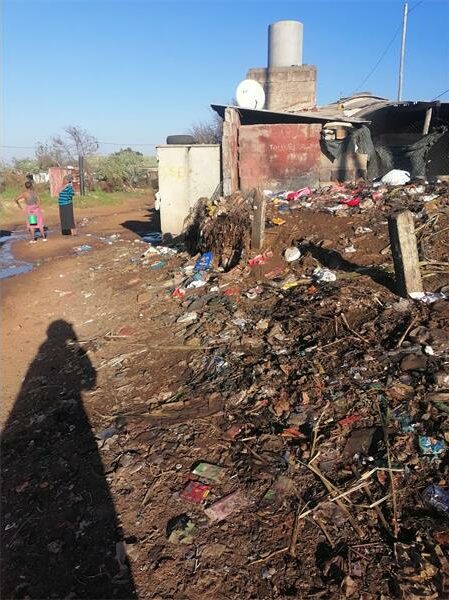
Now, residents say the reality on the ground is even worse.
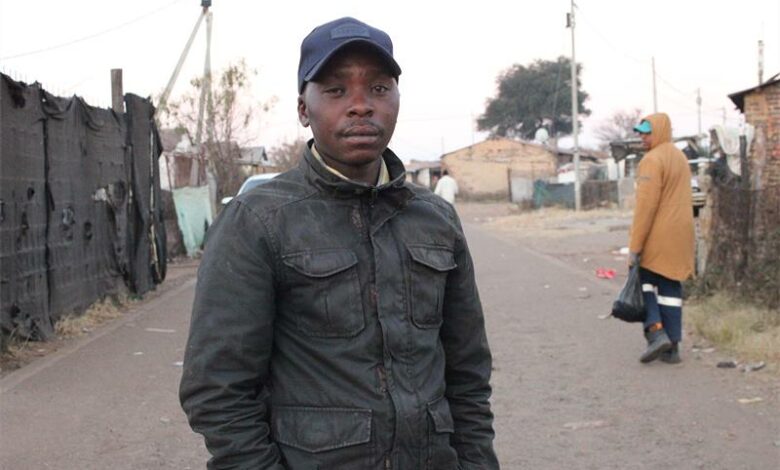
Community member Sanele Mcambi spoke to the Randfontein Herald about the overcrowding, with multiple families often forced to share small, cramped spaces. This, Mcambi said, has not only affected their quality of life but has also contributed to the rapid deterioration of the facility.
• Also read: Overcrowding and decay plague Mohlakeng hostel
Another resident, Noluvuyo Nodada, mentioned water shortages and unreliable supply, which have further compounded the situation. She explained that there are frequent disruptions, leaving many residents without access to clean water for extended periods.
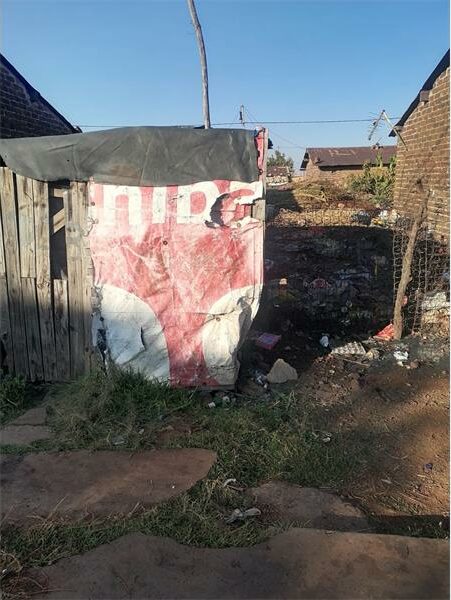
Perhaps most concerning is the lack of adequate sanitation facilities. Some sections of the hostel reportedly still do not have access to proper toilets, forcing residents to rely on pit toilets they have built themselves.
“We are living in conditions that are not dignified. There are too many people, not enough services, and no proper maintenance,” said Sabelo Tetyana, another resident of the hostel.
In response to earlier criticism, Motara acknowledged that hostels across the province are in poor condition but maintained that they are owned and managed by municipalities.
“The hostels are in a terrible condition, but the hostels are owned by municipalities and we, as the provincial government, try to assist where we can, but this is a legacy issue,” she said.
Motara explained that hostels were originally built as single-gender accommodation for migrant labourers and were never intended to accommodate families or the current population sizes.
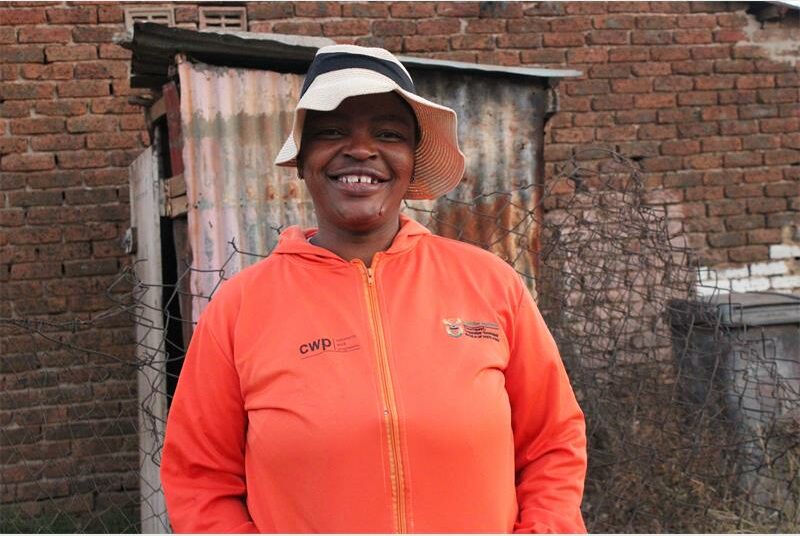
She added that overcrowding, non-payment of rent and limited municipal resources have contributed to the decline in living conditions.
“Our approach is that we don’t want to keep hostels anymore because their original purpose is now obsolete. Instead, we are focusing on building family housing where residents can receive subsidised homes with title deeds,” she said.
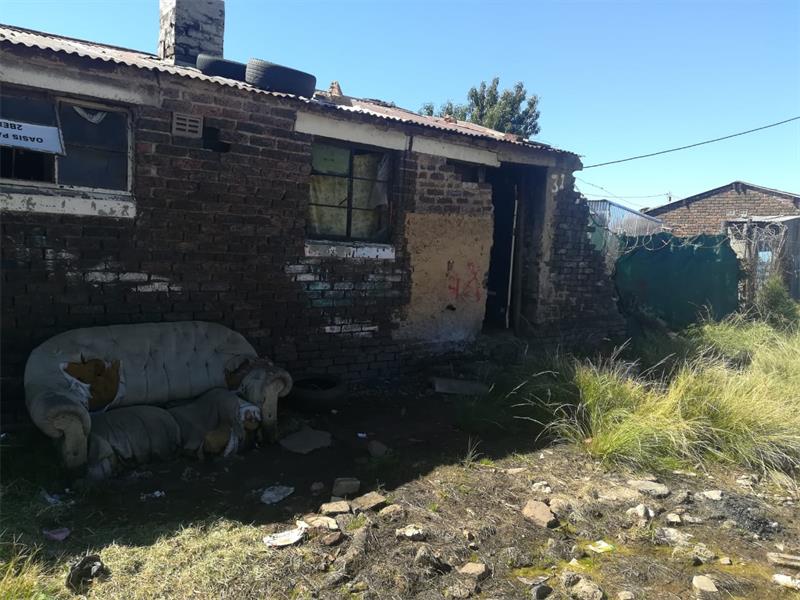
While the provincial government has outlined plans to phase out hostels in favour of sustainable housing, residents argue that urgent intervention is needed to address the immediate challenges they face.
Cirota echoed these concerns, stating that while long-term plans are important, they do little to alleviate the daily struggles of residents living in unsafe and degrading conditions.
The situation at Mohlakeng Hostel continues to highlight the gap between policy and lived reality, with residents calling for swift and meaningful action to restore dignity and basic living standards.
The Herald approached Rand West City Municipality for comment about the living conditions at the hostel; however, none was forthcoming at the time of going to print.