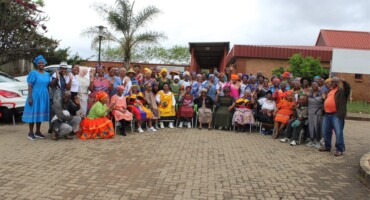
Illegal property owners warned to follow proper procedures in townships
The metro’s Illegal Township Sub-Committee has begun a series of engagements to curb land scams and promote lawful, structured development across the city.
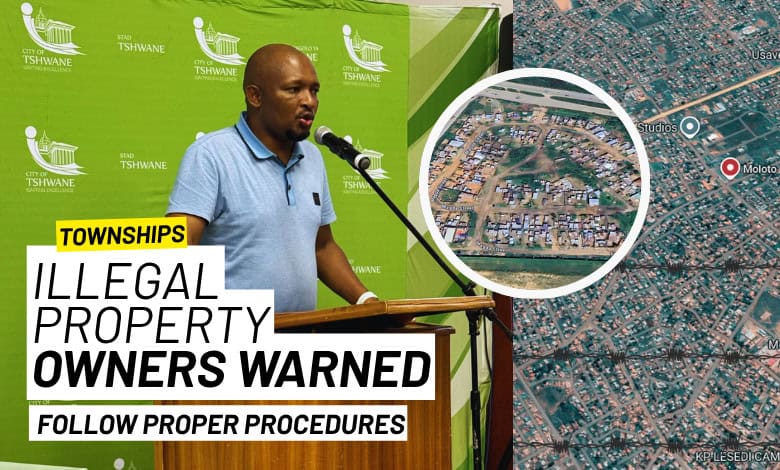
MMC for Human Settlements and chairperson of the Mayoral sub-committee on illegal townships, Alderman Aaron Maluleka says the metro aims to foster a culture of legal land development with engagements on illegal townships across the metro.
This was during a recent meeting with residents from Elandsfontein, where the MMC insisted that many legal factors would be taken into consideration when residents wish to erect new developments.
These include submitting building plans, rezoning the property if necessary, and considering the environment.
Also taken into account will be plans for the development, flood lights, and several other issues needed to grow the economy and community.
“Somewhere, there are current owners who encourage land invasion. They know that once people have invaded, they go to the government and say [that they] want to sell’.
The metro is holding public participatory meetings throughout November. The Elandsfontein meeting took place at Laerskool Broederstroom on November 3 to address the Elandsfontein Plots illegal township.
“There are private owners who are honest people who took their pensions and bought plots, but some people invade. They go to court, get an eviction order, but can’t enforce it because they don’t have the resources.
“So they become stuck between a rock and a hard place. Sometimes you are forced to leave for your safety because some of those people invading don’t even talk to you, tomorrow you’ll find shacks mushrooming, illegally selling pieces of plots just to make a profit.
“We need to have a plan as a government to address what it is we’re going to do. We must engage land owners.”
He explained that when someone claiming to be a local chief arrives, offering to sell people small plots to build their homes, then it is most likely a scam.
“They buy the land, develop and the next thing they all end up in a government space. We must do something,” he urged.
Maluleka had a meeting with landowners who would like to formalise the settlements on their land but doing so would threaten their livelihoods.
He said the city appeals to land owners like them to help develop communities that are formalised, where residents own the land they live on, and that basic services are supplied.
He described how the metro buys power from Eskom, and currently is owing around R6-billion, but that many of the people in illegal townships are not paying for the power they receive, however the metro still has to pay the power utility.
“We have about R400-million that we are losing every year. But Eskom wants its money and we must pay for it.”
The committee has identified two types of illegal property development.
The first includes individual property owners who act outside of the law by using their own property without obtaining the necessary permissions for the specific land use or the structures they are building.
The second includes property owners permitting individual developments on their property without proper zoning authorisation.
The committee will continue meeting with landowners and residents of the 17 identified illegal settlements primarily within Tshwane, aiming to find long-term, lawful solutions that balance urban renewal with community needs.
Watch here: https://www.facebook.com/reel/1189009969785516.
Do you have more information about the story?
Please send us an email to bennittb@rekord.co.za or phone us on 083 625 4114.
For free breaking and community news, visit Rekord’s websites: Rekord East
For more news and interesting articles, like Rekord on Facebook, follow us on Twitter or Instagram or TikTok.