
Living with a stoma: Limpopo woman’s journey of resilience
What many see as a medical device is, for thousands of people, a daily reality that requires resilience, preparation and self-acceptance.
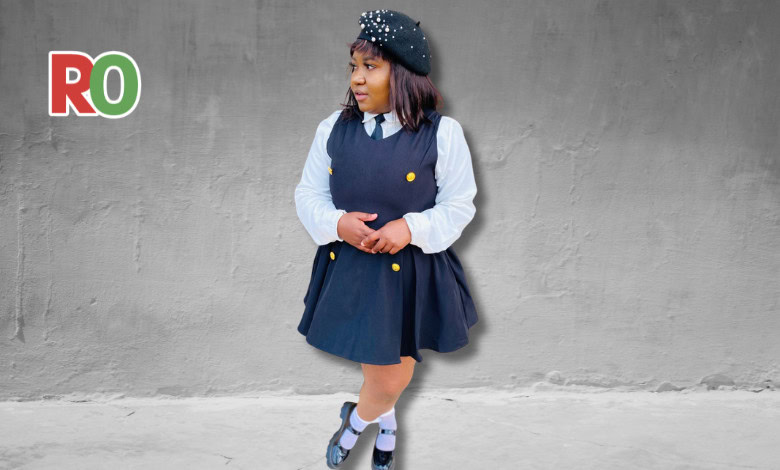
LIMPOPO – Many people see others living with a stoma bag, but know very little about the challenges that come with living with one.
For the 28-year-old Phemelo Seane, life with a stoma has been a journey marked by physical, emotional and social challenges.
Seane developed a stoma after suffering a fourth-degree tear during childbirth that ruptured her sphincter muscle. Although the procedure was necessary, adjusting to life afterwards was not easy.
“At first I was confused because I didn’t know what a stoma was,” she said.
“My doctor explained everything and helped me understand my condition. Knowing that my situation is temporary gave me hope.”
Daily challenges and health concerns
Living with a stoma requires constant planning, and everyday activities that many people take for granted can become sources of anxiety.
Seane said one of the most frustrating aspects is dealing with the uncontrollable sounds a stoma can make. She also has to be careful about what she eats to avoid blockages and other complications.
“There are always concerns about leakages, and I have to make sure I have enough supplies. Sometimes hospitals don’t have stock available, which can become expensive,” she said.
The condition has also affected her ability to work.
In addition to living with a stoma, she sometimes experiences pain from a hernia, making it difficult to carry out daily tasks.
The emotional and social impact
Beyond the physical challenges, Seane said the emotional impact has been significant. She left her previous job to focus on her mental health and sought support from both a therapist and a dietitian.
“My life is not the same as before, and it has taken a toll on me,” she said.
Social interactions have also become more difficult.
Seane said she often has to explain her condition while dating, only to be disappointed when relationships do not last. Public misunderstandings have further added to her challenges.
“I’ve been judged for using a normal public toilet because some people think having a stoma automatically means you’re disabled,” she said.
A message of awareness and self-acceptance
Today, Seane uses her experience to encourage others facing similar circumstances. She believes self-acceptance is one of the most important steps in the journey.
“Love yourself first because society may not always understand.
“Always carry extra supplies and remember that accidents can happen,” she said.
Her message to the public is simple: show compassion, learn about stomas and treat people living with them with dignity and respect.