Walking and cycling now the preferred transport
The city has been declared a cycling and walking city, with non-motorised transport being prioritised above all other modes of transport.
POLOKWANE – The city has been declared a cycling and walking city, with non-motorised transport being prioritised above all other modes of transport.
The city’s smart mobility project, which is part of the integrated urban realm and movement plan, was launched by the Polokwane Municipality last Wednesday.
Municipal spokesperson, Tidimalo Chuene, said non-motorised transport was the way of the future for the city, and was a priority for the municipality. She said it was clear that there was a need for transport strategies focused on improving the lives of Polokwane residents.
These strategies included the promotion of an integrated multi-modal transport system that was safe, secure and affordable.
Since the first phase of the integrated rapid public transport system was commissioned in 2012, the transportation situation had changed, Chuene said.
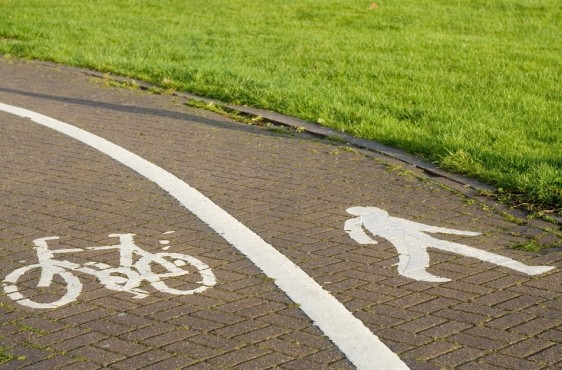
“Non-motorised transport lanes had been set in place and had taken the danger out of residents having to make trips on foot and bicycle along and across dangerous roads,” she explained, adding that opening non-motorised lanes were only some of the initiatives outlined in the smart mobility plan.
She said it was against this background that a piece of land had been identified near the Peter Mokaba Stadium, where a non-motorised transport training and recreational park was being developed. “The park is currently under construction and will be used for smart mobility, cycling, walking and running as well as sporting functions,” she explained.
She also said 100 non-motorised transport ambassadors had been identified from municipal employees, departmental officials, cycling clubs and the general community. She said each of these ambassadors had received a new bicycle and would be responsible for promoting non-motorised transport in the city. This would include participation in events such as the mayor’s marathon, the state of the city addresses, transport month and provincial traffic safety awareness campaigns.
Other smart mobility initiatives:
• Improvements in vehicle efficiency and standards.
• Promotion of public transport.
• Integrated transport planning.
• Potential increase in the bio-fuel content in fuel requirements.
• Major expansion in public transport and rail freight infrastructure.
• Promotion of electric and hybrid vehicles through public sector investment in product development.
• Non-motorised transport and cycling.