‘Shoes you don’t want to be in’
"There is no worse feeling in the world than when someone is dying in your arms and you know there is nothing you can do to prevent it."
POLOKWANE – “There is no worse feeling in the world than when someone is dying in your arms and you know there is nothing you can do to prevent it.”
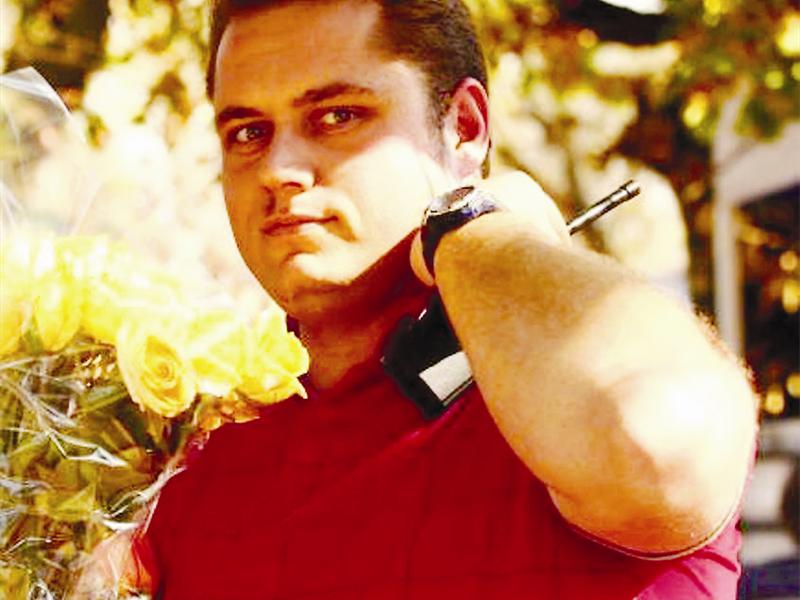
This is the experience of Juan Pierre Smith, who is just a regular man with a regular job. Smith has been the first person at an accident scene several times in his life.
“I never planned it that way, but it just always seems to happen to me,” he tells Review ruefully.
Lately he has taken to assisting different community policing forums with their patrols in his spare time. “I just want to help where I can.”
Smith is sharing his experience in the hope that reckless and negligent drivers take note of the misery and loss they can cause if their actions cause an accident.
He says when he is at an accident scene first, he seems to go into a sort of trance where he blocks out the rest of the world and all that matters is trying to help the people involved as soon as possible.
“Other than assisting the injured, one of the vital things is that there is traffic control. There are too many times that a secondary accident occurs because people driving past are trying to see what happened instead of concentrating on their driving,” he explains.
He says it is a really good feeling when you were able to help someone until the emergency personnel arrive, but when someone dies in your arms, it’s the worst feeling ever.
“Most of the time you don’t even know this person, but it still feels like a part of you has also died with him. It haunts you.
“The sight of a mangled body is horrific and something a person will never forget,” he warns.
“When someone has died in your presence, you ask yourself a hundred questions like: ‘Could I have done more? What if I did this or that? Should I get some emergency training?
“Sometimes you ask yourself what would have happened if the person had lived. You wonder if he would have had a full life if he had survived, considering the injuries sustained,” Smith describes.
“It is a feeling and a memory that will stay with you long after the accident, long after the funeral and long after the next accident,” he says.
It’s when he is alone in his bed at night that his mind flashes back to these horrors.
“The way I deal with the trauma is by sharing my experience with others,” he says.
These experiences have taught him how necessary it is to do defensive driving.
“You need to have eyes in the back of your head, and foresee what the drivers around you are going to do,” he says.
“Do not speed and do not drive under the influence. Do not be the person on the side of the road who has to live with the knowledge that someone died because of you.”
He adds that if sharing his experiences with people will make just one person be more careful on the road, it could very well mean that one more accident has been prevented.
“Believe me, you do not want to be the one sharing another person’s last moments, hearing the terrified screams of a loved one, or seeing the guilt on another person’s face after he caused someone’s death.”