Domestic workers get answers at a labour imbizo
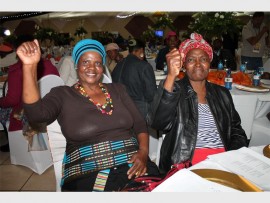
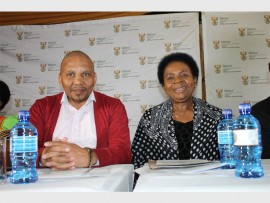
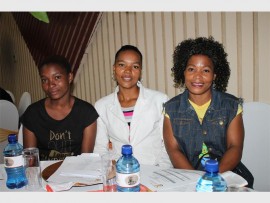
The importance of domestic workers knowing their rights was the focus point at a ministerial domestic workers' imbizo held at Bolivia Lodge last Saturday.
POLOKWANE – The importance of domestic workers knowing their rights was the focus point at a ministerial domestic workers’ imbizo held at Bolivia Lodge last Saturday.
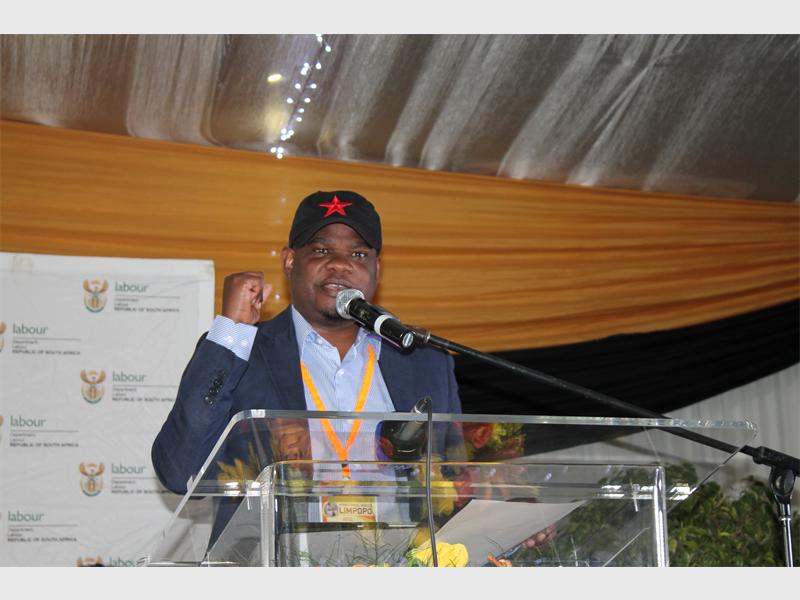
Labour deputy minister, Phathekile Holomisa, said it was only those who were armed with knowledge who could best fight for their rights.
“The minister and I request all of you to make it your business to understand your rights and obligations contained in the various pieces of our labour law,” Holomisa said.
Social development MEC, Joyce Mashamba, agreed with Holomisa that it was important for domestic workers to know their rights.
“Some of the laws that have been introduced include the Basic Conditions of Employment Act and the Labour Relations Act.
“The Basic Conditions of Employment Act is aimed at giving effect to the right to fair labour practise as enshrined in our Constitution. It is important that we know about these laws because they deal with important maters such as regulation of working time, meal intervals, payment for work on Sundays, night work and working on public holidays. Also important for us to know, is the Labour Relations act, which provides you with mechanisms and procedures for workplace disputes,” Mashamba explained.
Gerald Thwala, the provincial secretary for the Congress of South African Trade Unions in Limpopo, said the department must have more awareness campaigns educating domestic workers on their rights.
“Awareness campaigns through various mediums like newspapers, TV and radio will help educate the workers on their rights. Domestic workers must know their rights so that they will be able to defend their rights,” Thwala said.
Holomisa supported Thwala’s suggestion and said: “We do have awareness campaigns nationally and an example of that is the imbizo that we are having today.”
Mashamba added that the imbizo gave domestic workers who worked in the deepest of rural areas the opportunity to know what was legal and what was illegal.
According to Holomisa, the purpose of the imbizo was for the department to listen. “I am here to listen to your concerns and things that trouble you, so that together, we can do something about them,” Holomisa said.
During the imbizo, domestic workers were given an opportunity to raise their concerns and challenges faced at their workplaces, and each case was answered by the department and the domestic workers were advised accordingly.
Holomisa also spoke about the unemployment insurance fund (UIF).
“The department intends to take steps to improve the benefits paid by the UIF as a way of mitigating the impact of poverty and this we plan to conclude before the end of this fifth ANC administration. Some of the ideas that we are pursuing include ramping up the maternity benefits from the current number of days to four months, based on a flat income replacement rate of 66%.”
Holomisa added that in future the department would also be amending legislation on compensation for occupational injuries and diseases to include domestic workers. “We are also considering introducing an amendment which will allow an applicant who applied for UIF benefits four months after having lost a job to receive full benefits owed to them.”