

POLOKWANE – Last Wednesday, learners from Pemps and Pepps Polokwane Preparatory School entered into a debate at the Pemps school hall about the negative impact technology has on children.
Pemps proposed the motion ‘technology, a negative impact on a child’s development’ while Pepps learners opposed the motion. Learners presented arguments on the subject with both teams trying to justify their side of the argument to impress the adjudicators.
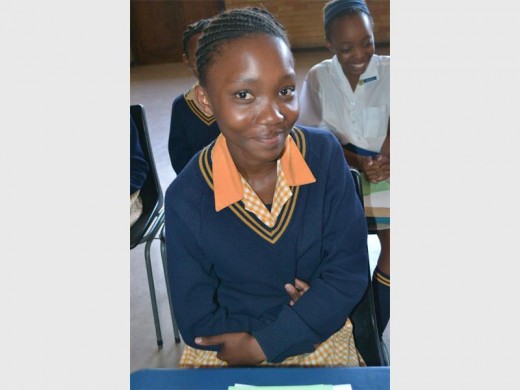
Gali Diswane of Pemps said children learned best when they played outside and socialised with their peers than when they were glued to the couch playing computer games and using other technological tools.

Tshepo Mehlape of Pepps opposed Gali’s argument by saying technology was a good thing and children had to use it more often to learn. “Educators and elders should try and teach the young ones how to use technology correctly so that they can benefit and learn a number of things,” added Tshepo.

Dimpho Mohuba of Pemps who was named best speaker, said children nowadays enjoyed sitting indoors and using remotes to control everything whereas they should be outside exercising. She further said obesity was a big issue these days and it was caused by lack of exercise.

Patricia Chaminuka of Pepps said technology could help learners become active in the classroom. “Technology makes things easier and learners can use it to study and eventually excel in various subjects. I encourage young children to use technology more often to improve their vocabulary,” said Patricia.

Refiloe Raphasha of Pemps explained that too much use of technology affected the brain. She added that children who focused more on technology tended to forget things quite easily since they were used to be reminded by their phones and computers.

Moagisi Kganyago of Pepps said technology exposed children to many things that could help them in the future. He mentioned that children could meet new people on social media and share ideas on certain subjects that might improve their perspectives on certain things. “Technology teaches children a lot of things and I encourage them to use it effectively,” he added.

Bonolo Maponya of Pemps also explained that children suffered from various diseases due to overuse of technology. “Media violence has now been categorised as a public health risk due to causal links to child aggression.
“Brain development research shows technology overuse by children results in pruning of tracks to the frontal cortex, adversely affecting executive functioning and impulse control,” said Bonolo.
She added that technology exposed children to pornographic materials that might affect children mentally.

Sa’adatu Bakie of Pepps said technology did not make children “stupid” but different and wiser. She further said children could use the internet to do research and this would make their studies much easier. She said it was possible that one could watch television and exercise at the same time and therefore it was not a must that children should play outside. Pemps was later announced as the winner of the debate following the successful argument they made when they proposed the motion.