
Why it’s important to get enough sleep
The saying "you snooze, you lose" refers to more than just losing valuable time - Joshua Malebatse from the Polokwane Sleep Centre reveals why
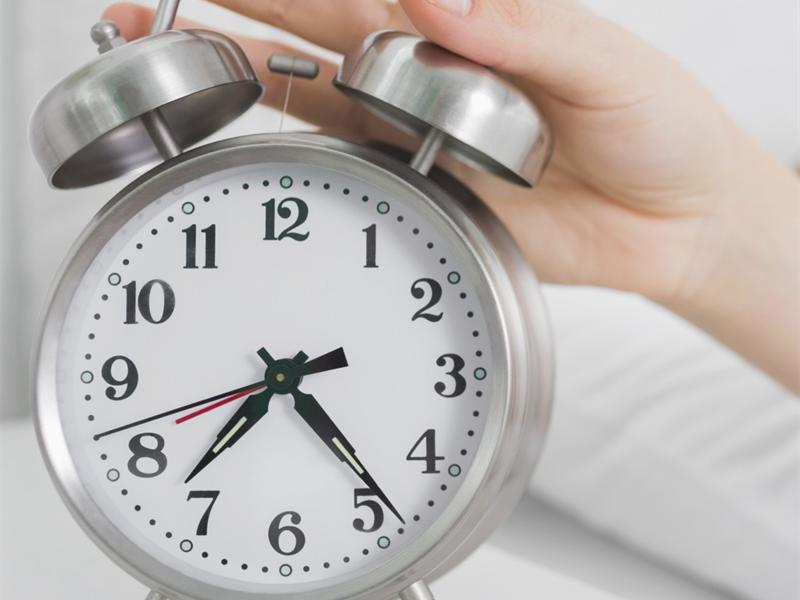
POLOKWANE – Research shows repeatedly snoozing your alarm and falling back asleep can have serious implications on your overall health.
Nothing feels quite as good as those extra few minutes of shut-eye in the morning and we have all been guilty of hitting the snooze button a few times after our alarms go off in the morning. But those extra few minutes might not be worth it in the long run, says Joshua Malebatse a sleep therapist from the Polokwane Sleep Centre. He says it is best to place your phone or alarm clock on the other side of the room in the evening so that when it goes off in the morning, you have to get out of bed to turn it off, and that will make you less inclined to get back into your bed.
“Chances are, the room is a little cool in the morning, and if you head straight to the shower, you won’t fall back asleep. If you have trouble waking up in the morning, even requiring multiple alarms, this may suggest that something else is causing you to be too sleepy,” Joshua explained.
“If you were to set your alarm for 05:45, but then spend 45 minutes hitting the snooze button, your last 45 minutes of sleep will be severely fragmented by the alarms. Even if you immediately got back to sleep, this undermines sleep quality. It may interrupt rapid eye movement (REM) sleep, a state of sleep that occurs in the last few hours before morning and is important for problem solving and memory processing,” he warned.
The Polokwane Sleep Centre provides a comprehensive diagnosis and treatment service for patients with all types of sleep disorders and patients with neurolo-physiological disorders. They ascertain that an adult needs between seven and nine hours sleep a night in order to function normally. Once they have assessed their patients’ needs, a sleep schedule is ascribed to each patient. If the patient goes to sleep at the same time every night, their body will eventually start getting tired around that time and it will become normal. It will also become less of a hassle to wake up in the morning.
“After determining your sleep needs, and what time you want to get up, make sure you get to bed at the right time,” Joshua Malebatse from the centre said.
Joshua says it is not advisable to go to bed at different times. “If you can’t fall asleep right away, lying awake may contribute to anxiety and insomnia. Instead, wait until the feeling of sleepiness comes, and get into bed then. This signal can be strengthened by keeping a regular wake time.”
According to Joshua, waking up at the same time everyday and actually getting out of bed is just as important as getting enough sleep. He says by getting 15 to 30 minutes of sunlight in the morning helps to regulate the circadian rhythm, reinforcing your ability to sleep at night.
Joshua offers a few things to remember regarding your sleep schedule:
• Don’t be too optimistic in selecting a wake time, it is better to set the alarm to an obtainable goal.
• If necessary, help yourself to get up on time by setting multiple alarms, having someone else call you on the phone, enlisting others to physically wake you, or even using technology pads that prompt you to get out of bed to turn off the alarm.
• Morning sunlight exposure is critical, but it can also be nice to wake to the pleasing sound or favourite music.
• Give yourself something to look forward to when getting up, whether it is an enjoyable activity, a favorite coffee, or even a special breakfast.
• Even if you are retired, and don’t have to get up at a specific time, try to keep a fixed wake time and don’t spend too much time in bed to avoid insomnia.
• Don’t let yourself sleep in too much on the weekends, as this can contribute to Sunday night insomnia.
• If you find yourself checking the clock throughout the night; set your alarm and cover it or place it far away from you. If it is time to wake, the alarm will sound, otherwise simply roll over and go back to sleep.
“Sleep can be your greatest friend or worse enemy,” Joshua warns, saying it is an important part of your day and should not be neglected.
For any assistance with sleeping disorders, contact the Polokwane Sleep Centre at 015 291 3288 during office hours or at 082 880 9806 after hours. Alternatively, send an email to polokwane@sigmasleep.com.