
What to look out for when choosing a daycare centre
Finding a place for your precious bundle of joy where they will be treated best while you are at work is a daunting task for many new parents.
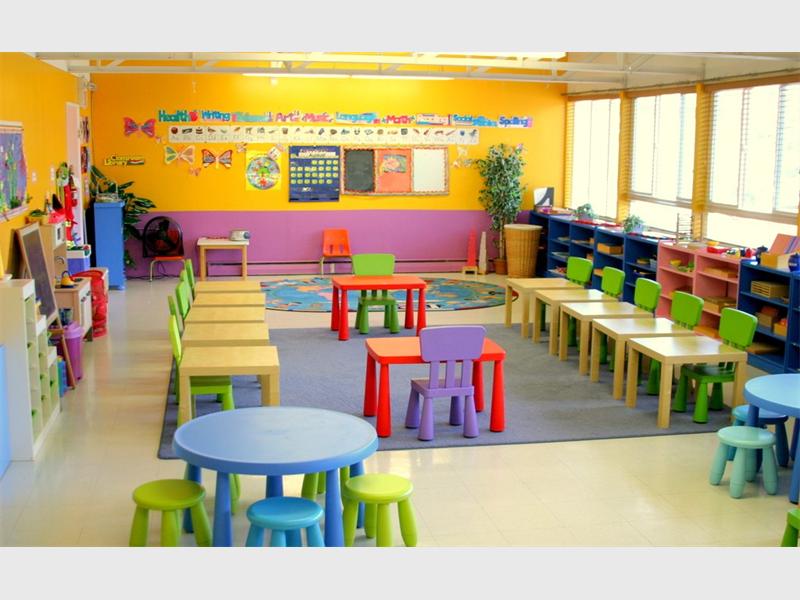
POLOKWANE – Finding a place for your precious bundle of joy where they will be treated best while you are at work is a daunting task for many new parents.
Many parents choose the daycare centre closest to them due to the convenience, but is it really the best choice for your child? There are several regulations in place for daycare centres in South Africa to ensure children are taken care of, are safe and healthy, and receive the best care.
First and foremost, the facility must be registered with the Department of Social Development.
According to regulations set out by the department for daycare facilities, staff must be in the age range of 18 to 60 years old. Additionally, medical clearance is required for any staff member to be eligible to work in a childcare facility regardless of their position. The department requires all daycare staff to be trained and skilled in first aid. It is required by social services that staff be “knowledgeable and respectful of culture of children”.
Aside from this there are ratios set out by the department which require a teacher per number of children in differing age groups.
Ratios:
• 0 to 18 months – One caregiver for every six children.
• 19 months to three years – One caregiver for every 15 children.
• Three years and one month to six years – One caregiver for every 25 children.
• After school centre – One caregiver for every 35 children.
According to Social Development Spokesperson, Adelé van der Linde, there are many logistics to consider when creating an Early Childhood Development (ECD) facility that meets South African registration requirements.
First, there are requirements for bathroom facilities. There must be one toilet and one washbasin or sink for every 20 children.
Kitchens or areas used to prepare food must be separated by, at least, a partition if not in a separate room altogether. Within the kitchen area there must be a way to boil water for sterilisation and to cook food. It is suggested the floors be washable or have a washable covering. There should also be safe storage for all necessary equipment.
Indoor and outdoor space requirements are mainly based on area per child. Indoors there must be 1,5 m² per baby and 2 m² per toddler. Our group did not find any requirements for older preschool children for indoor play. For children of all age groups 1 m² per child is required for outdoor play. The outdoor play area must be created for the first 30 children and may be used by groups at different times to accommodate larger numbers of children.

Outdoor play area:
One square meter per child at least for the first 30 children. Children can then be divided into groups and taken outside one group at a time. Always under supervision.
No open fires in the outdoor play area. Public parks may be used as long as it is safe for the children.
Van der Linde said for a better understanding and determining if a daycare meets the requirements as set out by the department, parents can visit the national website for Social Development at www.dsd.gov.za and then click on the NPO section to see if a centre is registered with the department.
She also urged people to report centres that are not registered to the department as they work according to their own rules and guidelines which may be harmful to children.