
Be a responsible pet owner – here’s how
Responsible pet ownership means a lifelong commitment to care for your new pet. This means a commitment to the relationship for your pet’s entire life, says SAK9 Training Academy owner, Jenny Venter.
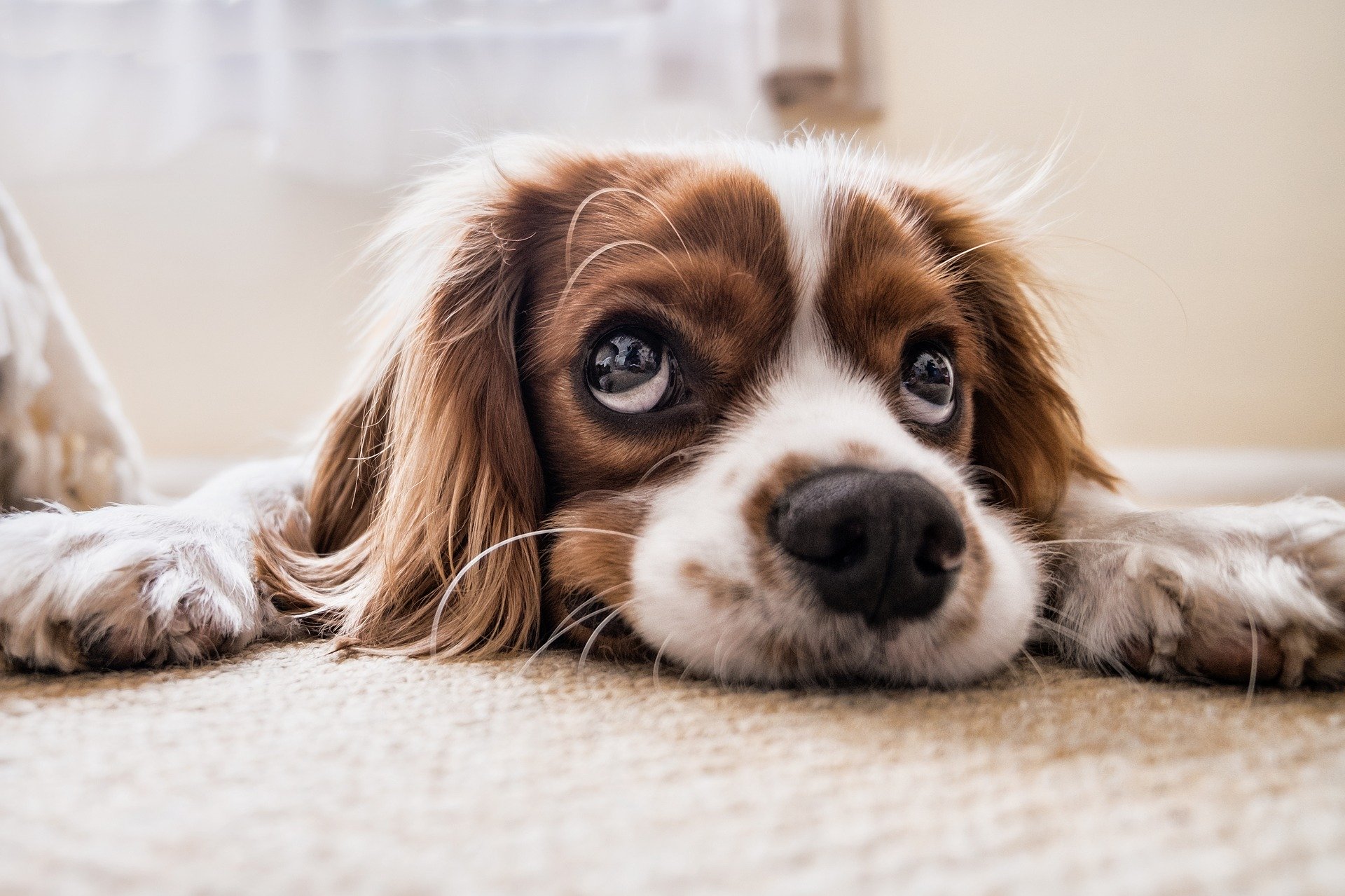
POLOKWANE – Jenny Venter, the owner of SAK9 Academy, highlights the responsibility of pet ownership by ensuring that you buy a pet that suits your home and lifestyle instead of making an impulsive decision.
“Owning a pet requires an investment of time and money. It is better to keep only the type and number of pets you are able to provide for in safe and appropriate environment. This includes food, water, shelter, health care and companionship.”
Responsible pet ownership also means you make sure your pets are properly identified with tags, microchips or tattoos and that their registration information in associated databases is kept up to date. “You can help to manage overpopulation by controlling your pet(s)’ reproduction through managed breeding, containment or spay and neuter. Provide preventive care, for example, vaccinations, and parasite control as well as therapeutic health care for the life of your pet in consultation with and as recommended by your veterinarian. Saying this means you need to establish and maintain a veterinarian-client-patient relationship.”
Puppies, like babies, need to learn how to socialise and need appropriate training to facilitate their well-being and the well-being of other animals and people.
“Prevent your pet from negatively impacting other people, animals and the environment. This includes proper waste disposal, noise control and not allowing your pet to stray or become feral. Provide exercise and mental stimulation appropriate to your pet’s age, breed and health status.”
Jenny advises pet owners to include their pets in their planning for an emergency or disaster, including assembling an evacuation kit. “Make arrangements for the care of your pet when or if you are unable to do so.”
Dogs on average live for 15 years depending on the size and breed. Recognise a decline in your pet’s quality of life and make decisions in consultation with your veterinarian regarding appropriate end-of-life care.
“Before you get a puppy, make sure you can commit for the whole of the dog’s lifespan. Don’t make an ‘until’ decision. If you should not be able to care for the dog, for whatever reason, do you have an alternative plan?”
Other factors to consider:
• Finances: “Can you afford food, vaccinations, deworming, tick and flea control, micro-chipping, spaying or neutering, grooming, dental care, bedding, toys, crates, emergency costs and insurance?”
• Time: “Do you have time to socialise, exercise, train, play and take your dog to the vet or groomer?
• Residence: “Do you have a suitable environment, free of poisons or hazardous items? Do you have ample space? Are you allowed to have pets on the premises? Is the property properly fenced, to keep your dog from roaming the streets? Does your home provide an area with shade and shelter against the weather?”
• Nutritional care: “Not all dogs accommodate well on commercial dog foods, some dogs may need different nutritional needs. Nutrition plays a big role in your dog’s mental health, physical health and behaviour. An active dog may need a more specialised diet. Keep an eye on your dog, if you see any changes in behaviour, unhealthy coat or a change in your dog’s condition in any way, you may have to consult your vet.”
• Health care: “Take your dog to a vet as soon as you notice he is not well because waiting for a certain time could be detrimental to your dog’s health. Consider medical insurance for your dog.”
Etiquette and important information for walking your dog:
“Always ensure that your dog is on a lead. Carry some protection with you, maybe a long stick, to fend off roaming dogs that may approach you. When walking your dog in the street, it is important to consider that this may be a stressful situation for your dog, as the other dogs bark at them behind their property gates and loud noises such as trucks. Consider this carefully if you have a nervous or anxious dog. Even though the dog approaching you has a wagging tail, don’t assume the dog is friendly – rather change direction and move away from the dog.”
Jenny advises dog-walkers to walk facing the traffic and to make sure the dog does not eat anything on the route.
“Also remember to clean up after your dog. This means you should carry a bag with you. It is important to clean up after your dog and it is disrespectful to let your dog defecate on your neighbour’s lawn. It is unhygienic to not pick up and dispose of faeces, so ensure to keep a few bags in your training bag or car. Diseases can be spread by faeces, therefore it is important to clean up after your dog and not allow your dog near another dog’s faeces.”
Dogs must be on a leash when in public, and some municipalities could fine you for public nuisance when your dog barks, whines, yelps or howls excessively. Excessive noise is classified as noise for more than six accumulated minutes in an hour or more than three accumulated minutes in half an hour. If your pet causes injury to another person, you may be fined or imprisoned.
maretha@nmgroup.co.za