
Support the cause on World Hand Hygiene Day
Protect health care workers by practicing good hygiene in health care facilities, the World Health Organization has urged.
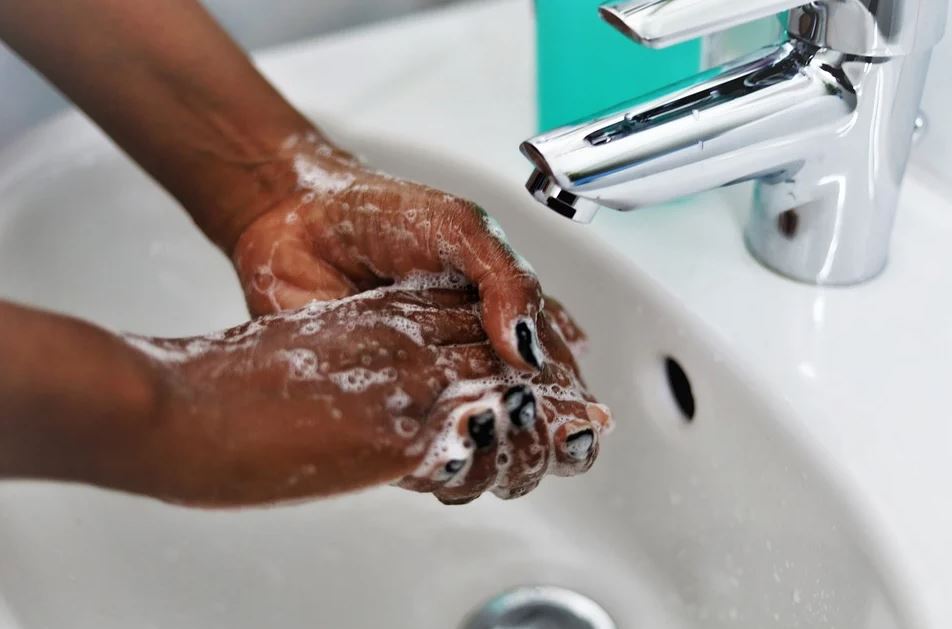
Washing your hands has always been important, but now more than ever, it could mean the difference between staying safe and contracting Covid-19.
On World Hand Hygiene Day, celebrated annually on 5 May, the World Health Organization (WHO) is calling on people around the world to increase adherence to hand hygiene in health care facilities especially, in order to protect health care workers and patients from infections.
Under the theme ‘SAVE LIVES: Clean your hands’, the organisation says the day is aligned with the Year of the Nurse and the Midwife and aims to recognise nurses and midwives as front-line heroes who deserve acknowledgement and appreciation. It furthermore highlights their critical role in infection prevention.
The main goal of the Global Hand Hygiene Day campaign is to acknowledge that handwashing is one of the most effective actions you can take to reduce the spread of pathogens and prevent infections, including the Covid-19 virus. Communities and healthcare workers equally play a role in preventing infections by practising regular and frequent handwashing.
As germs can survive for up to three hours on your hands and between two to 10 million bacteria can be found on your fingertips and elbows, washing your hands effectively is of utmost importance.
The MEC for Health in Limpopo, Dr Phophi Ramatuba has called on citizens to continue to observe the standard hygiene practices of washing hands with soap or use an alcohol-based sanitiser. “Standard recommendations should apply, even more so in the midst of the Covid-19 pandemic,” she said.
According to the WHO, here is an effective way to wash your hands:
On germs, and your hands:
One germ can multiply into more than eight million germs in one day.
Nearly 80% of illness-causing germs are spread by your hands.
Your remote control is a top carrier of bacteria.
There are more germs on your phone, keyboard and cutting board than on a toilet seat.
For one in five people, it is not a habit to wash their hands, and of those who do, only 30% use soap.
When you flush the toilet, germs can spray up to 1,8 metres.
Purses and handbags have up to 10 000 bacteria per six centimetres, and 30% of them contain faecal (poop) bacteria.
* Notice: Coronavirus reporting at Caxton Local Media aims to combat fake news
Dear reader,
As your local news provider, we have the duty of keeping you factually informed on Covid-19 developments. As you may have noticed, mis- and disinformation (also known as “fake news”) is circulating online. Caxton Local Media is determined to filter through the masses of information doing the rounds and to separate truth from untruth in order to keep you adequately informed. Local newsrooms follow a strict pre-publication fact-checking protocol. A national task team has been established to assist in bringing you credible news reports on Covid-19.
Readers with any comments or queries may contact National Group Editor Irma Green (irma@caxton.co.za) or Legal Adviser Helene Eloff (helene@caxton.co.za).