
Grumpy children? Challenge that routine!
Maintaining good sleeping habits remains key to your child’s proper function, even during the nationwide lockdown. Occupational therapist, Marietjie Strydom shares tips on how to establish and maintain good sleeping habits during this time.
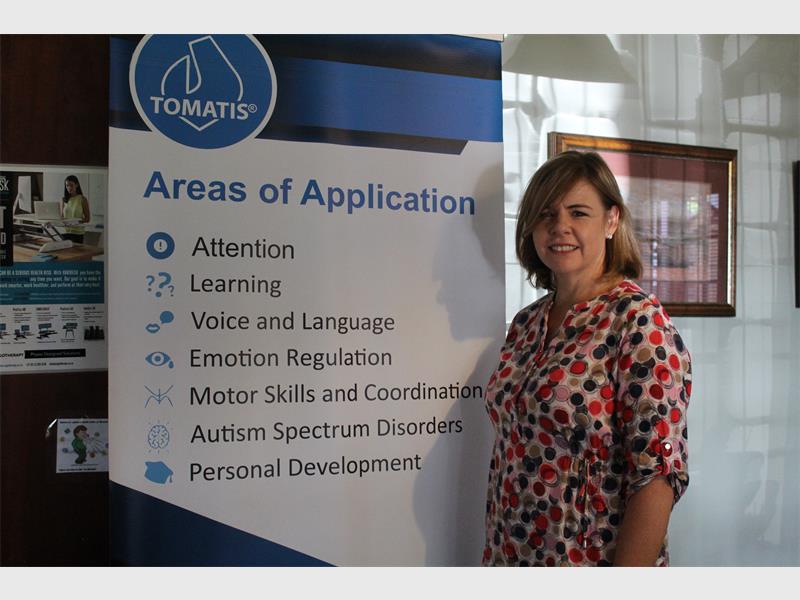
POLOKWANE – While most learners were supposed to be in school this month, the extended lockdown meant staying at home and this has presented an entirely new routine. Gone are the days of waking up at a set time and going to bed at the ‘usual’ time.
But, good routine, whether during a lockdown or otherwise, includes a fair amount of sleep for learners of all ages. This is according to Marietjie Strydom, an occupational therapist who says too little sleep directly affects your child’s mood.
“Children who don’t sleep enough are grumpy. A lack of sleep can also cause forgetfulness, low motivation, poor concentration, increase impulsiveness and an increased craving for unhealthy stimulants such as sugar, caffeine and junk food. Continued poor sleeping habits might in the long run lead to increased anxiety, depression and even learning problems.”
According to the website Kidshealth.org, no one is exactly sure what function the brain fulfils when a person is sleeping. Some scientists hold the opinion that the brain sorts through and stores information, replaces chemicals, and solves problems while you take a nap.
Says Strydom: “Children also need different amounts of sleep per night. It is best to experiment to find out how many hours of sleep are best for your child to ensure optimal functioning throughout the day. There are many guidelines available on the amount of sleep required for each age. The National Sleep Foundation provides us with a guide of nine to 11 hours for six to 13-year-old children and eight to 10 hours for children 14 to 18 years old. According to the Canadian Paediatric Society, toddlers need 10 to 13 hours of sleep including naps, while pre-schoolers need 10 to 12 hours of sleep, including naps.”
A healthy sleep routine is established if you can stick to it for seven days a week and as close as possible over holidays or now in the lockdown period, she says.
“When I consult with a child who finds it difficult to go to sleep at night, sleeps poorly or finds it challenging to fully wake up in the morning I start questions about the child’s sensory integration – the ability to process information from the environment. If a child has poor sensory modulation, it needs to be addressed before sleeping habits can be established. Secondly, a sleep routine starts in the morning when a child wakes up. Following a daily routine before school, after school puts the brain in a rhythm and a learned sequence.”
A tool that Strydom often uses is to have routine cards stuck to the wall in a fixed sequence that the child then follows daily. This includes cards such as play, homework, eat, bath, read and sleep. After each activity is completed, allow the child to take the card off the wall and post it by sliding it into a shoe box. She also guards against too much screen time for children.
“The effect of cell phones and television is well-known and screen time should be avoided after 17:00. Excessive motor activity such as running, jumping, swinging and loud music can also hamper a good night’s sleep.”