PPE: Health Dept within spending parameters
Limpopo is one of only two provinces that has not ordered Personal Protective Equipment (PPE) at prices exceeding the prescribed maximum cost as per National Treasury’s instruction, between February and June. Health MEC, Phophi Ramathuba told Polokwane Observer she was satisfied with the First Special Report on the Financial Management of Government’s Covid-19 Initiatives. Countrywide, …
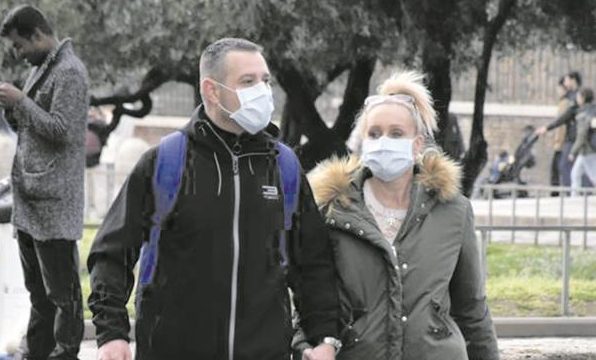
Limpopo is one of only two provinces that has not ordered Personal Protective Equipment (PPE) at prices exceeding the prescribed maximum cost as per National Treasury’s instruction, between February and June.
Health MEC, Phophi Ramathuba told Polokwane Observer she was satisfied with the First Special Report on the Financial Management of Government’s Covid-19 Initiatives.
Countrywide, health departments ordered items worth at least R142 568 754 in excess of the maximum costs as prescribed.
“In Limpopo, the department issued orders that included agreed lead times to the suppliers. In an event where a supplier could not deliver the required PPE within the agreed time, the order was automatically terminated unless extension of the delivery period was granted. There were no examples of orders with extended lead times,” she said in an exclusive interview on Saturday.
Despite the fact that she was erroneously accused in the media of awarding a contract to a daughter of a friend, that contract was one of those which were terminated because of the service provider not keeping within the lead time for delivery, she said, jokingly adding: “Had I been a friend, I might have tried to pull strings to not terminate the contract!”
She is proud of the fact that the department managed to empower many citizens by awarding 281 contracts to the value of R570 737 911 as at 30 June, followed by North West (171 suppliers) and Mpumalanga (139).
Some R36 million had been budgeted for quarantine facilities, but the province has not used any of this money.
The AG has been reporting on and warning about poor financial management controls, a disregard for supply chain management legislation, an inability to effectively manage projects and a lack of accountability in many government sectors and has undertaken a real-time audit, performed by multidisciplinary teams, made up of fraud, information technology and sector-specific experts, who support the financial auditors to dig deeper and provide relevant insights on auditees’ risks and operations.
“We still have lots of work to do, however, we have progressed to a point where we can report on our first set of findings. Our second Covid-19 report is planned for November 2020,” said the AG, Kimi Makwetu. “Our objective with this Covid-19 audit is to promote accountability and transparency for the spending of the funds.”
Although emergency procurement processes were allowed for procuring PPE, supply chain management requirements as defined in legislation were not relaxed for this purpose, and the AG is still auditing the processes.
Some risks in the procurement processes followed in Eastern Cape, KwaZulu-Natal and Limpopo were communicated to the accounting officers to highlight the need for controls to prevent the risks from materialising include, among others the procurement of goods and services not following relevant legislation and policy; conflicts of interest between suppliers/third parties and employees; goods procured from service providers with no proven track record; goods procured from suppliers who are not listed on the central supplier database; duplicate payments and payments processed through sundry payments.
Story: Nelie Erasmus