
Eight potential signs of an anxiety disorder to look out for
Anxiety is a normal part of life, and so it may not always be simple to distinguish when it may have developed into an unhealthy preoccupation.
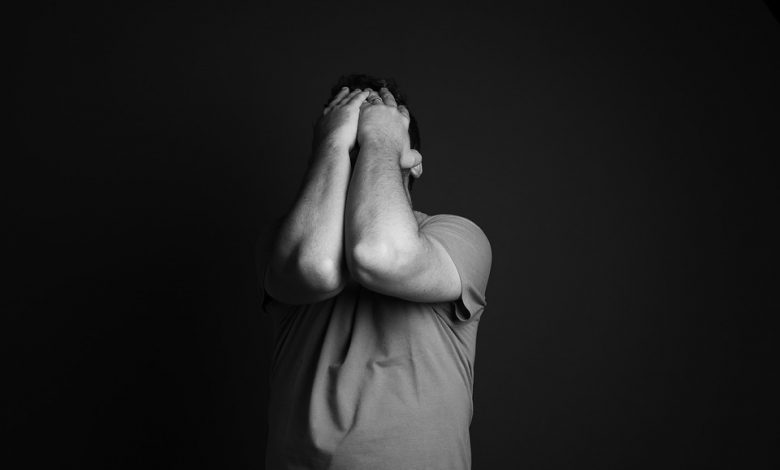
POLOWKANE – It is not unusual to experience feelings of anxiety or worry from time to time, but for some people these feelings can be ongoing and debilitating.
Anxiety is a normal part of life, and so it may not always be simple to distinguish when it may have developed into an unhealthy preoccupation.
Sindisiwe Mlotshwa, a counselling psychologist says that anxiety typically consists of physical, emotional and mental reactions, and in moderation these reactions are quite normal and may even be helpful.
“In small doses, anxiety can help protect us from danger and help focus our attention when tasks need to be completed. However, when these reactions occur too frequently and are more severe, they can begin to affect our work performance, relationships and quality of life,” Mlotshwa says.
According to Mlotshwa, while there are different types of anxiety disorders, if your anxious experiences are becoming intolerable there are certain signs you should take note of. These include: 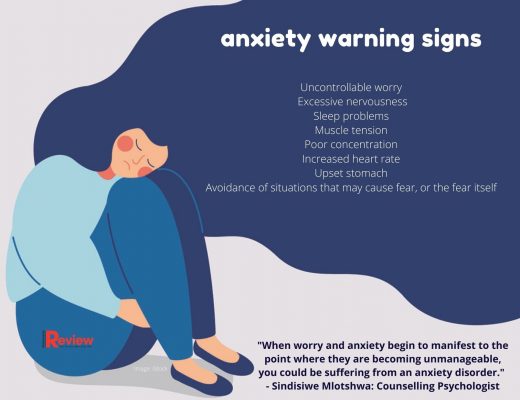
“Anxiety disorders share elements of extreme fear and anxiety where the person’s behaviour changes because of these anxious thoughts and feelings. When these symptoms become both too frequent and severe for those affected to manage, it is important to seek professional help,” Mlotshwa says.
She adds that there are multiple types of anxiety disorders, including social anxieties or social phobia, separation anxieties and panic attacks. “Fortunately, professional help is available and there are various ways of treating and navigating anxiety, which may be useful either on their own or in combination,” she adds.
Exercise
Mlotshwa says exercise can be very helpful, as it promotes the healthy production of serotonin and endorphins to help regulate anxious feelings. These natural hormones promote feelings of calm and well-being, and can assist in managing the symptoms. Exercise is often recommended in conjunction with other interventions, such as psychotherapy or medication prescribed by a psychiatrist.
Cognitive behavioural therapy (CBT)
CBT is one of the techniques psychologists most frequently use when treating anxiety disorders. “Through CBT, unhealthy thinking patterns that elevate anxiety levels are identified and challenged. Often, CBT will also include elements of exposure therapy and relaxation techniques.”
Exposure therapy
This, Mlotshwa says should only ever be undertaken with a trained professional and involves slow and gradual exposure to whatever is triggering the client’s anxiety, with the aim of diminishing their distress.
“Relaxation techniques can also assist in managing the symptoms of anxiety. These include practices such as deep breathing, progressive muscle relaxation, and mindful sensory engagements. Through focusing on external and physical experiences or senses, we can help the person to step out of their internal emotional experiences. Once the client is comfortable with relaxation techniques, they can be applied whenever needed, without the presence of a guiding professional.”
“Psychiatrists may prescribe anti-anxiety medication to help address the chemical causes of anxiety within the body. Medication should only ever be taken exactly as prescribed, and it is important not to stop taking psychiatric medicine without first consulting your treating doctor, even if you are feeling better,” Mlotshwa advises.
“Anxiety disorders can be devastating, but the good news is that help is available. It is possible to overcome anxiety and reclaim your life.” Content supplied