
Winter nutrition tips to boost immunity
Keep your family healthy this winter with expert nutrition tips from dietitian Kulani Mtileni, including immune-boosting foods.
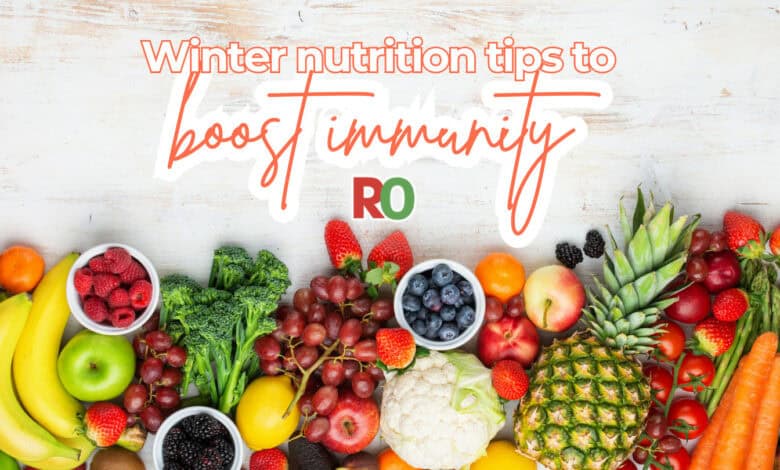
POLOKWANE – As the chilly season sets in, it’s more important than ever for parents to ensure their children stay healthy and resilient against colds and
flu.
Kulani Mtileni, a registered dietitian, highlights the importance of maintaining a strong immune system through proper nutrition during winter.
“Winter is well-known for the spread of cold and flu viruses, but a strong immune system can make all the difference. Eating a variety of nutrient-rich foods is key. Vitamin C, zinc and other essential nutrients can help reduce the risk of illness.”
Here are Mtileni’s winter wellness must-dos:
Leafy greens
Frozen spinach and kale are just as nutritious as fresh ones. They’re packed with vitamin C (for immune support), vitamin K (for blood clotting), and vitamin A (for vision health). Menu tip: Add greens to stir-fries, stews, or smoothies.
Root vegetables
Beets, carrots, and turnips are winter’s hidden gems. They’re rich in beta-carotene, vitamin A, and vitamin C – important for strengthening the immune system.
Menu tip:
Roast thinly sliced root veggies with a drizzle of olive oil at 180°C until caramelised.
Berries
Strawberries, blueberries, and raspberries are rich in vitamin C, manganese, and antioxidants, even in winter.
Menu tip: Sprinkle berries over yogurt, add to oatmeal, or enjoy them as a snack.
Staying hydrated
It’s tempting to sip on warm drinks all day, but don’t skip water. Proper hydration helps prevent dry skin, fatigue and headaches and is essential for general body function.
Maintaining energy levels
Shorter days and colder temperatures can drain your energy. Eat complex carbohydrates including whole grains, legumes, and root vegetables. These release energy slowly, keeping you fuller and more alert for longer.
Vitamin D supplementation
With less exposure to sunlight in winter, vitamin D levels can drop. This vitamin is important for bone health, immune function, and mood balance.
Speak to your healthcare provider about possible supplements.
Vitamin D-rich foods
Some foods high in vitamin D include salmon, egg yolks, fortified cereals and milk, red meat, and mushrooms.
Low-sodium soup
Soup is a winter staple, but choose low-sodium or homemade versions to stay healthy.
Low-sodium means 140 milligrams of salt or less per serving. Avoid creamy, salty soups and go for those made with chicken or vegetable broth.
Menu tip: Add canned or dried beans or lentils for extra fibre and protein. This helps manage appetite and supports mood.
Make use of herbs
Add turmeric, garlic, ginger, and hot herbs to your meals. These have anti-inflammatory properties and can help prevent or reduce cold and flu symptoms.
Winter doesn’t have to mean a season of illness and staying in bed. With smart food choices and a focus on nutrition, you can help your family stay healthy, strong, and energised all season long.