Polokwane wastewater crisis: E. coli levels 1000x above limit
Failing wastewater plants in Polokwane are discharging dangerous effluent into rivers, sparking fish deaths, borehole contamination, and environmental damage.
Quick read:
-
The Polokwane Municipality’s wastewater treatment plants are discharging dangerously high levels of untreated sewage into the Sand and Blood rivers.
-
E. coli levels recorded at 385,000 CFU/100ml, nearly 1,000 times above the acceptable limit.
-
Infrastructure overload: The Polokwane WWTW is designed for 26ML/day but receives 65ML daily, with over 70ML of non-compliant effluent released into rivers.
-
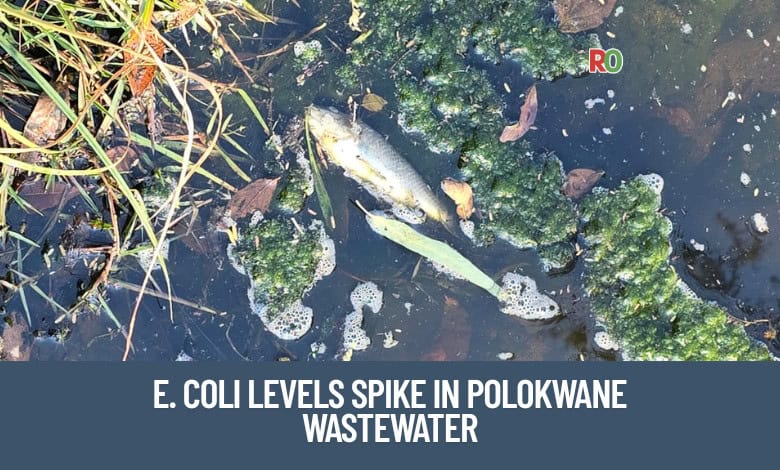
Vegetation die-off and decomposed fish are now common along the riverbanks.
-
Upcoming Sand River North Project may worsen the crisis by adding 18ML more wastewater to an already overwhelmed system.
-
The Regional Wastewater Treatment Works (RWWTW) site has been abandoned, with contractors unpaid since April.
-
The DA has lodged criminal charges and engaged the Human Rights Commission, calling for urgent national intervention.
Full story
POLOKWANE – The ongoing discharge of dangerously high levels of untreated wastewater into the Sand and Blood rivers from the Polokwane Municipality’s wastewater treatment works (WWTW) has now escalated to a stage where dying vegetation on the banks of the river and decomposed fish are a common sight.
This crisis, caused by failing municipal wastewater treatment infrastructure, poses a severe threat to public health, the environment and local livelihoods as some of the more than 200 boreholes that the municipality utilises to augment its water resources, are fed from the underground water coming from the rivers.
You might also want to read: Commission labels Polokwane’s wastewater plants defunct
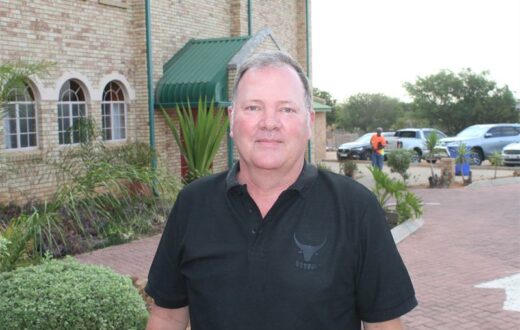
According to DA caucus leader in the municipality, Johan Retters, they recently submitted water samples from both rivers to independent, accredited laboratories for analysis following ongoing concerns from local communities and environmental stakeholders.
The results have now confirmed what residents have long feared – the Polokwane, Seshego and Mankweng WWTW have recorded E. coli levels at an alarming 385,000 CFU/100ml – nearly 1 000 times the acceptable limit of 400 CFU/100ml.
The Polokwane WWTW is designed to process 26 megalitres of effluent per day but this is currently overloaded with an inflow of 65 megalitres daily, surpassing July 2023’s readings by 20 megalitres.
Investigations have further revealed that more than 70 megalitres of non-compliant sewage effluent are being discharged into these rivers daily.
You might also want to read: Water pollution: Complaint filed
The situation is exacerbated by the impending commissioning of the Sand River North Project, expected to introduce an additional 18 megalitres of wastewater into a system that is already critically overburdened and non-compliant, according to Retters.
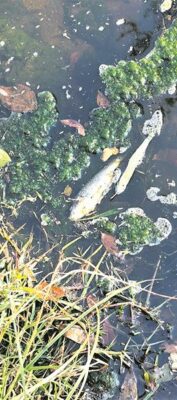
“The environmental consequences are dire. The Sand River’s biodiversity has been decimated, with reports of mass fish die-offs and contaminated borehole water. What makes matters worse is during an oversight visit conducted on July 1, DA councillors discovered that the construction site of the Regional Waste Water Treatment Works (RWWTW), located approximately 10km north of the city along the Sand River, was completely abandoned. The site, intended to address critical wastewater challenges in the region, showed no signs of activity. Upon further enquiry, it was revealed that contractors had not been paid since April and consequently vacated the project,” Retters said.
He added that this revelation is deeply concerning, as the prolonged delay in completing this essential infrastructure poses a severe environmental and public health risk.
Wastewater from the city continues to place pressure on an already overwhelmed system, threatening to contaminate water sources such as the Sand River.
You might also want to read: Wastewater: DA approaches the Human Rights Commission
The DA has escalated the matter to the South African Human Rights Commission in July 2022 and lodged criminal charges in March 2023 against city manager, Thuso Nemugumoni, for failing in her statutory duty to prevent the continued pollution.
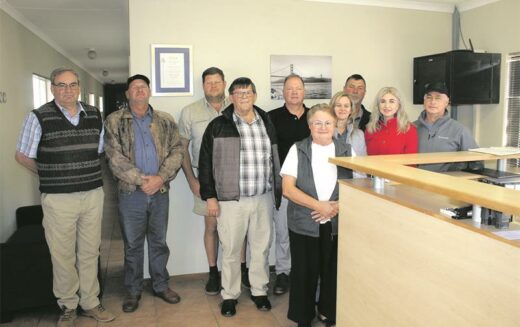
On June 22, DA provincial leader Lindy Wilson, met with the Deputy Minister of Water and Sanitation, Isaac Seitholo in Polokwane to raise alarm over the dire state of water and sewerage services in the municipality.
This intervention follows months of persistent neglect by the Polokwane Municipality, and the DA has called on national government to step in to prevent a full-scale environmental and humanitarian disaster.
In a related event, a group of concerned residents along the Sand River, on Friday held a meeting to raise their concerns about the situation and resolved to escalate the matter to higher authorities. The event was coordinated by TLU (SA) Limpopo.
The municipality was requested to comment but no response was available at time of going to print.