DA questions use of traffic officers in Ramathuba escort detail
The DA has raised concerns over 12 provincial traffic officers deployed to escort Premier Dr Ramathuba, citing unpaid overtime and staffing strain.
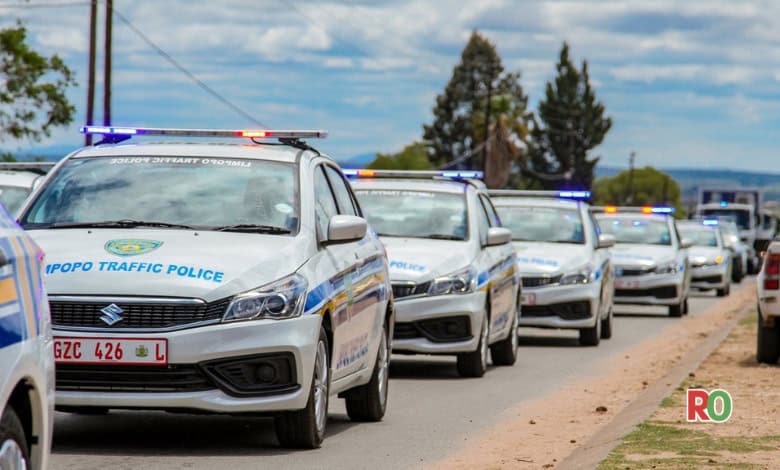
POLOKWANE – A deployment of 12 rotational provincial traffic officers to escort the Premier, Dr Phophi Ramathuba has sparked concern over unpaid overtime, budget transparency and whether the arrangement aligns with national VIP protection protocols.
The DA claims that the premier’s existing two-vehicle SAPS VIP protection unit has been supplemented by a rotating team of 12 traffic officers and two extra, creating operational strain on an already short-staffed traffic department. Officers reportedly travel long distances with the premier, return to Polokwane to continue regular traffic work, and later escort her again.
Documents obtained by the DA show that the arrangement was formally signed in 2024, yet at least one officer claims to have accumulated more than 100 hours of unpaid overtime while fulfilling escort duties, the party said in a statement.
“The province can ill-afford additional money for an apparent vanity project for the premier while the people of this province continue to die on our roads,” DA MPL Marie Helm said. She added that SAPS refuses to foot the bill, suggesting a potential “back-channel” arrangement, and that the traffic officers are not formally trained for life-threatening protection scenarios.
Contacted for comment, the Department of Transport maintains that traffic officers are performing routine escort duties “as required by law” and are not part of a VIP protection detail, asserting the deployment does not significantly affect service delivery.
Transport Spokesperson Matome Taueatswala insists the deployment focuses on ensuring the premier’s safety on the road should not be linked to her personal protection. He hinted that such deployments were based on risk assessments even in terms of other provincial office bearers, and were responded to be based on the extent of safety concerns identified in each case.
“It is all normal duties within their scope of work, paid for by our department. They are tasked with escorting Ramathuba on the road during official duties only depending on her scheduled trips, and not necessarily a daily occurrence,” he explained.
In terms of how other provinces handle VIP escorts, national SAPS policy confirms that formal VIP protection is a police responsibility, not a traffic duty. Escorts using municipal or traffic officers are typically reserved for operational safety, such as transporting officials in high-crime areas, not continuous VIP accompaniment.
Efforts for comment to clarify the basis for Limpopo’s deployment, resulted in circular referrals between provincial transport, national transport structures and SAPS, with no department providing formal policy or documentation for extended traffic escort duties.
The Office of the Premier replied that no discussions around the premier’s security detail would be held.
The DA said it will be seeking a detailed breakdown of salaries, overtime costs, fuel and vehicle maintenance, as well as clarification on whether the deployment affects road safety enforcement “in a province already grappling with staffing shortages”.
Limpopo Legislature is expected to receive formal responses in the coming weeks.