
R40.9m boost for local agriculture in Limpopo
MEC Nakedi Kekana announces R40.9m investment to empower Limpopo farmers, boost food security, and drive rural economic growth.
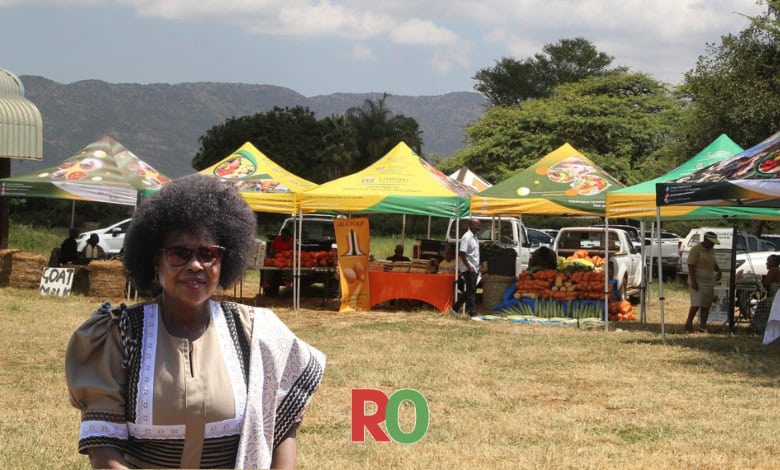
MOKOPANE – The MEC for Agriculture and Rural Development, Nakedi Kekana, with Mogalakwena councillors and officials, recently hosted a Department of Agriculture and Rural Development stakeholder engagement session in town.
The municipal delegation was led by member of the executive committee for technical services, Josephine Madiba, alongside speaker Monnica Senoamadi and chief whip Abram Tsebe.
During the engagement, a R40.9m investment aimed at enabling farmers to enter production was announced.
The funding is intended to boost local agriculture, empower women, youth and persons with disabilities, and foster a social compact for rural economic growth.
The session sought to mobilise resources, expertise and strategies to drive economic transformation, strengthen food security and promote sustainable rural development in Limpopo and across South Africa.
It also aimed to align stakeholder inputs with the department’s strategic direction.
Madiba said the engagement came at a crucial time when collaboration between government, farmers, community stakeholders and development partners is more important than ever.
“Agriculture remains the backbone of our local economy by creating jobs, supporting food security and advancing rural development.
“The theme, ‘Redefine, revitalise and revolutionise the future of agriculture in the area,’ challenges us to think beyond traditional methods and embrace innovation, partnerships and inclusive development that benefit both emerging and established farmers,” she said.
Kekana emphasised the need for “100% expenditure and 100% delivery”, as well as the urgent resuscitation of the audit steering committee to ensure clean governance.
“The initiative focuses on moving from traditional reporting to active collaboration with both smallholder and commercial farmers, emphasising empowerment, food security and sustainable, productive rural economies,” Kekana said.
She stressed that stakeholder involvement across the agricultural value chain is crucial to achieving a united, prosperous and productive sector that supports sustainable rural communities.
“We are aware of the challenges that lie ahead, such as climate change, dwindling resources and economic constraints, but we are equally aware of the enormous opportunities that come with strategic partnerships,” she said.
Kekana outlined key partnerships required to drive the commercialisation of agriculture and inclusive growth.
These include working with the Land Bank and the Industrial Development Corporation (IDC) to expand access to finance; collaborating with the Agricultural Development Agency (Agda) and Potato SA to strengthen agri-processing and value-chain development; promoting climate-smart agricultural practices through research, development and financial support; and investing in infrastructure to improve productivity and market access.
She said the Agricultural and Agri-Processing Master Plan (AAMP) serves as a blueprint for transformation, focusing on increased participation in the agricultural value chain, particularly for emerging black farmers and previously disadvantaged groups.
“As a province rich in natural resources and agricultural diversity, we are well positioned to become a hub for agri-processing industries,” she concluded.